
Once-In-A-Lifetime Cosmic Event You Can't Miss
"On April 13, 2029, Apophis will pass within 32,000 kilometers of Earth's surface, closer than some of our satellites."

Sophia Cantiller
- Published on
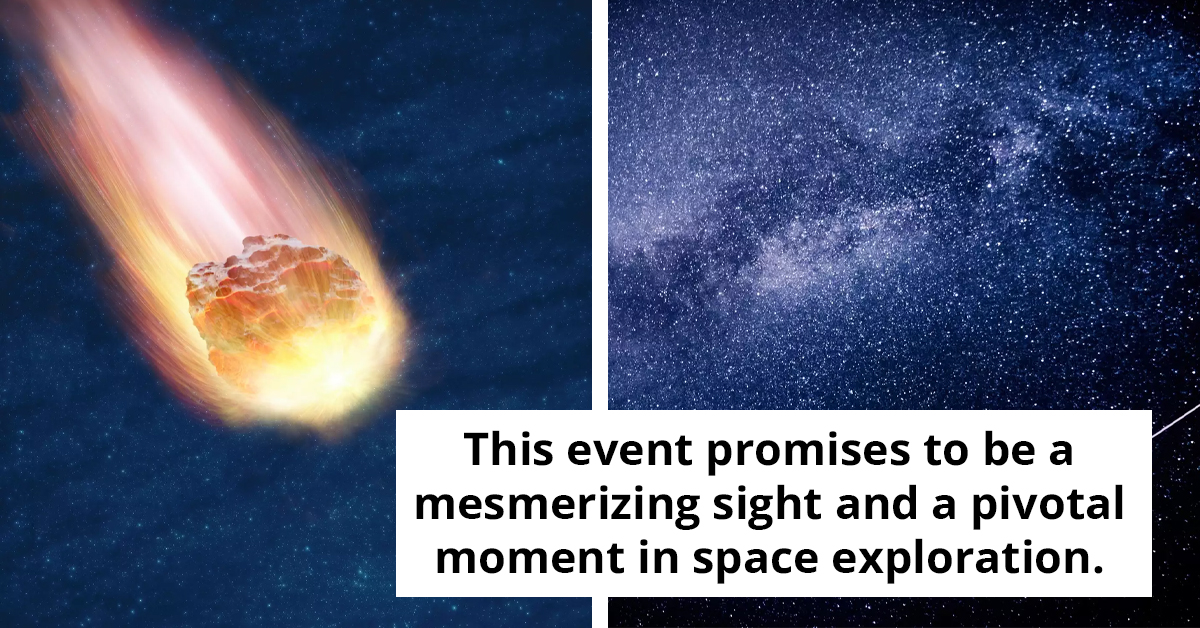
In the coming decade, we will witness one of the rarest and most spectacular space events ever recorded. The last decade has already offered incredible cosmic shows, such as the rare total solar eclipse and breathtaking auroras caused by the sun's peak activity.
Yet, the impending visit from asteroid 99942 Apophis promises to eclipse all these events in terms of rarity and significance. Discovered in 2004, Apophis initially caused a stir when it was classified at level two on the Torino impact hazard scale.
This scale, used to gauge the potential threat of space objects to Earth, indicated a low risk of destruction at level two. However, subsequent observations in December 2022 upgraded its threat level to four due to a 1.6% chance of collision with Earth in 2029.
NASA describes a level four event as "a close encounter, meriting attention by astronomers." A 1% or greater chance of a collision capable of regional devastation requires significant attention, especially if the event is within a decade.
No object has ever approached level four before, causing understandable concern among scientists and space agencies worldwide. Fortunately, further calculations have since assured us that Apophis will not collide with Earth in 2029, nor in 2036 or 2068.
Davide Farnocchia of NASA’s Center for Near-Earth Object Studies confirmed, "A 2068 impact is no longer a possibility, and our calculations do not show any impact risk for at least the next 100 years."
Despite this reassurance, the 2029 flyby remains a historic event.
On April 13, 2029, Apophis will pass within 32,000 kilometers of Earth's surface, closer than some of our satellites. This proximity will make the asteroid visible to the naked eye from the Eastern Hemisphere, an extraordinary occurrence that does not require telescopes or binoculars.
The European Space Agency (ESA) has highlighted the significance of this event, dubbing it "one of the rarest space events of our lives." The ESA elaborated in a post: "The 2029 flyby is an incredibly rare event. By comparing impact craters across the Solar System with the sizes and orbits of all known asteroids, scientists believe that an asteroid as large as Apophis only comes this close to Earth once every 5,000 to 10,000 years."
Such close encounters with large asteroids are not just visually spectacular but also scientifically invaluable. They offer a unique opportunity to study these celestial bodies up close, helping scientists understand more about their composition, behavior, and potential future threats.
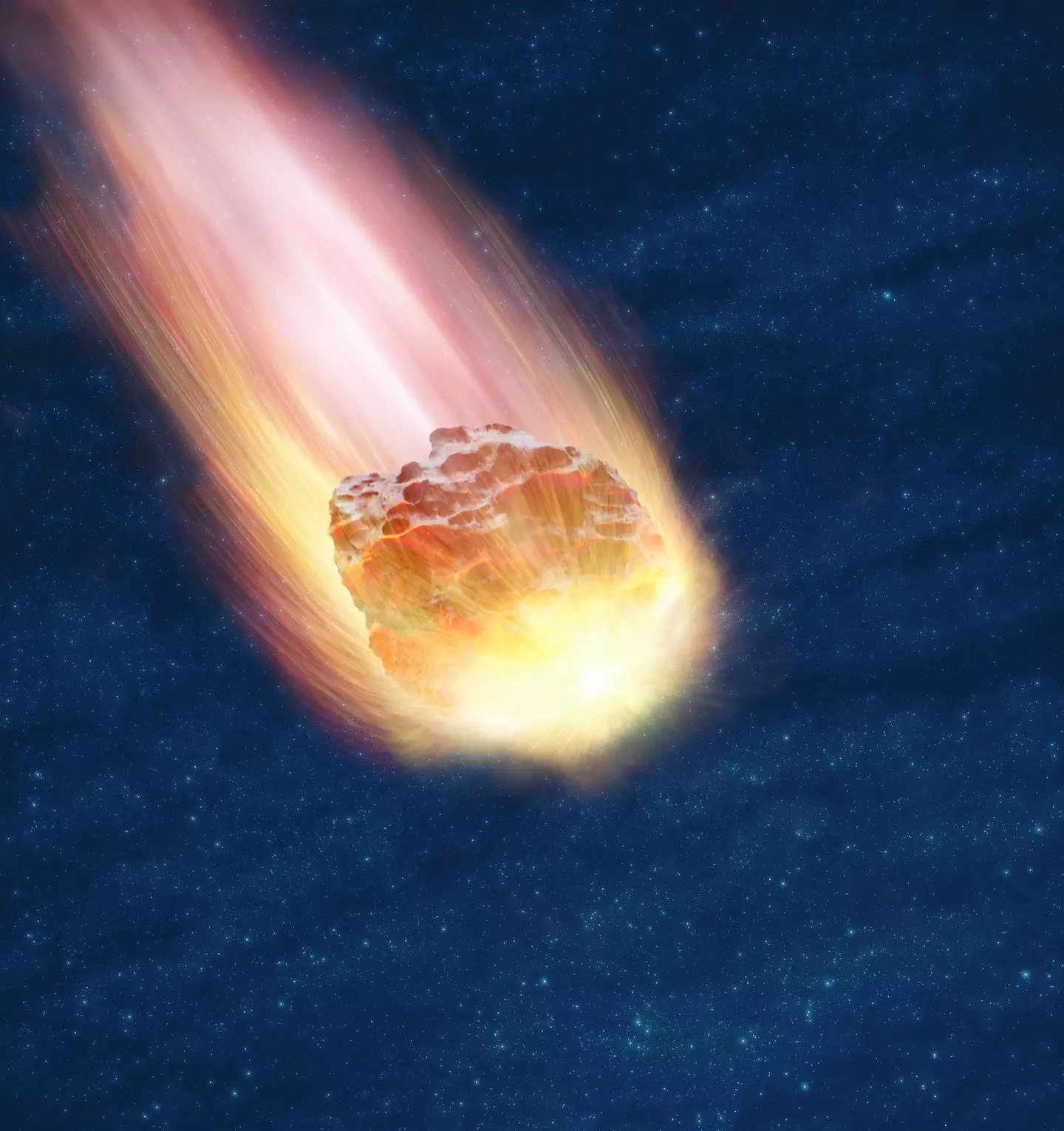
In preparation for the flyby, astronomers and space agencies are gearing up for a range of observations and studies. This will include tracking Apophis’ path, analyzing its structure, and learning more about its history and origin.
The data collected will contribute to our broader understanding of near-Earth objects and improve our planetary defense strategies.
As we count down to 2029, the anticipation continues to build. This event promises to be a mesmerizing sight and a pivotal moment in space exploration. Keep your eyes to the skies and prepare for a cosmic spectacle that comes once in a millennium.
In a world where cosmic events remind us of our place in the universe, the flyby of Apophis will not only captivate us but also deepen our appreciation for the wonders beyond our planet. After all, it's not every day you get a front-row seat to a 5,000-year event.
Comment with your thoughts, or share this article for all your family and friends to see!
Expert Insights
Dr. Neil deGrasse Tyson, a renowned astrophysicist, emphasized the significance of the Apophis event, stating, 'It’s not just about the asteroid; it’s about our ability to understand and respond to cosmic threats.'
He notes that this close encounter serves as a reminder of the importance of planetary defense initiatives. Tyson encourages educational programs that enhance public awareness regarding space events, suggesting that community engagement can foster a culture of curiosity and preparedness.
He believes that projects like NASA's DART (Double Asteroid Redirection Test) are crucial investments in our future safety, enabling humanity to better respond to potential threats.
As we prepare for the Apophis flyby, it's essential to engage with local astronomy clubs and institutions that can provide educational resources. A community astrophysicist suggests organizing viewing events, which can include telescopes and expert talks.
Such initiatives not only enhance understanding of cosmic phenomena but also foster community bonding over shared interests. Additionally, online platforms like virtual star parties can make these experiences accessible to everyone, regardless of location.
Experts recommend leveraging social media to share knowledge and create excitement around this unique event, ensuring that the public remains informed and engaged.
Psychological Insights & Implications
The upcoming close approach of asteroid Apophis on April 13, 2029, is more than just a scientific curiosity; it's a moment for collective awareness and education. As experts like Dr. Neil deGrasse Tyson advocate, understanding cosmic events can inspire a proactive approach to planetary defense and awareness.
Encouraging community involvement through local astronomy groups and online platforms can enhance public engagement, making everyone feel part of this extraordinary cosmic journey. By fostering curiosity, we not only prepare ourselves for future events but also embrace the wonders of the universe.