
Bears Freed After 10 Years In Captivity Take Their First Steps To Freedom
For years, Misha and Dasha, two brown bears, entertained diners at a riverside restaurant in Armenia.

Damjan Milenkovic
- Published on
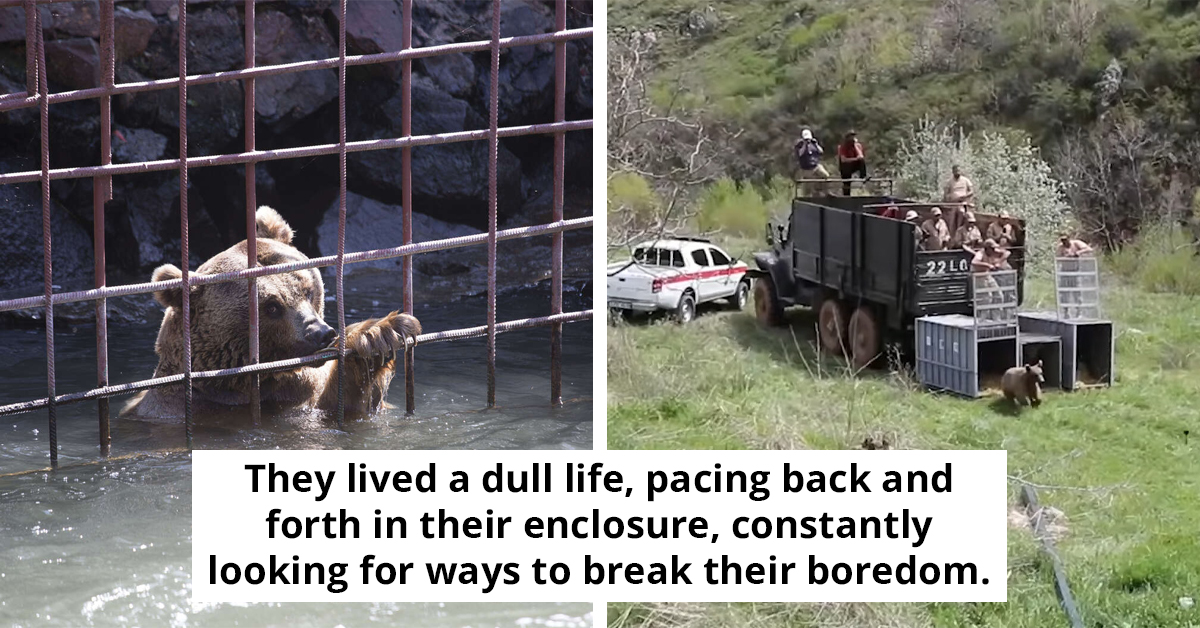
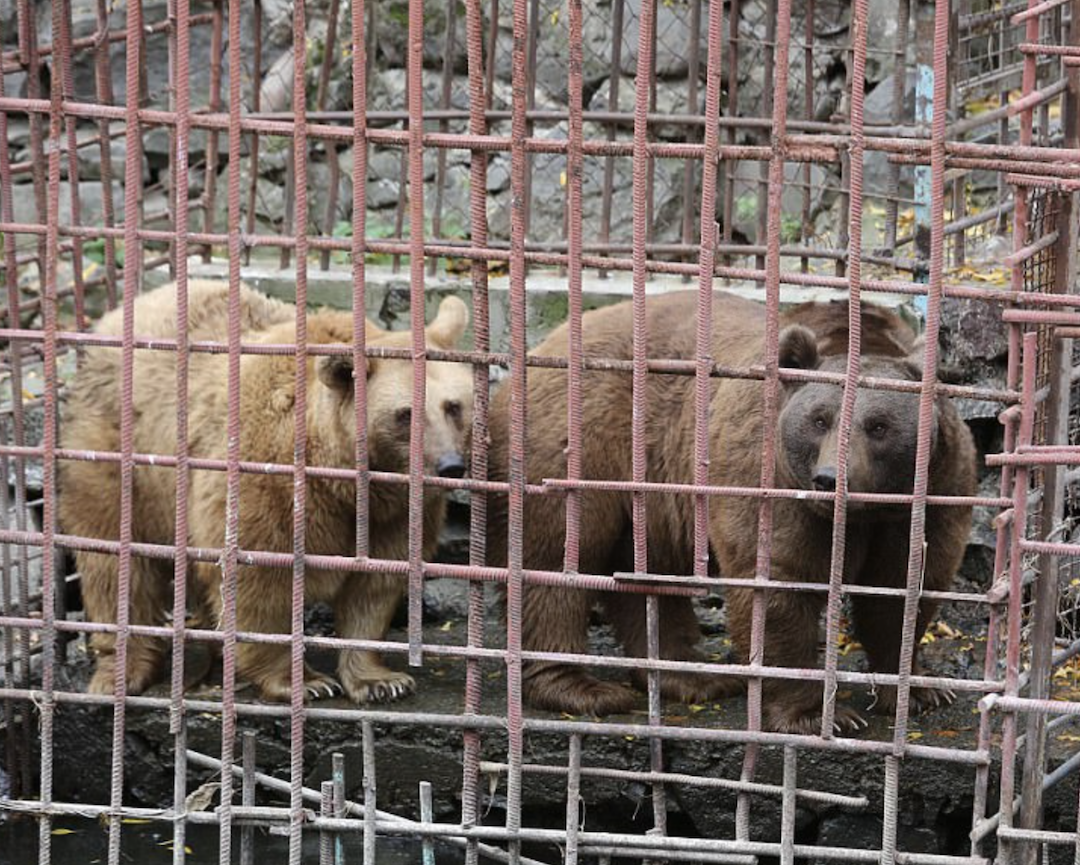
For years, Misha and Dasha, two brown bears, entertained diners at a riverside restaurant in Armenia. Confined to welded cages that rusted over time, their lives were devoid of the freedom they deserved.
But after enduring a decade of captivity, a ray of hope emerged for these majestic creatures. Thanks to the generosity of donors and the tireless efforts of animal welfare organizations, Misha and Dasha have finally been rescued and are now embarking on a journey to a mountain sanctuary where they can live the life they were meant to.
Their story, however, is not unique. Across Armenia, dozens of bears suffer in similar conditions, confined to cages for the entertainment of restaurant and shop patrons. International Animal Rescue (IAR) sounded the alarm, highlighting the plight of these animals and calling for urgent action to end their suffering.
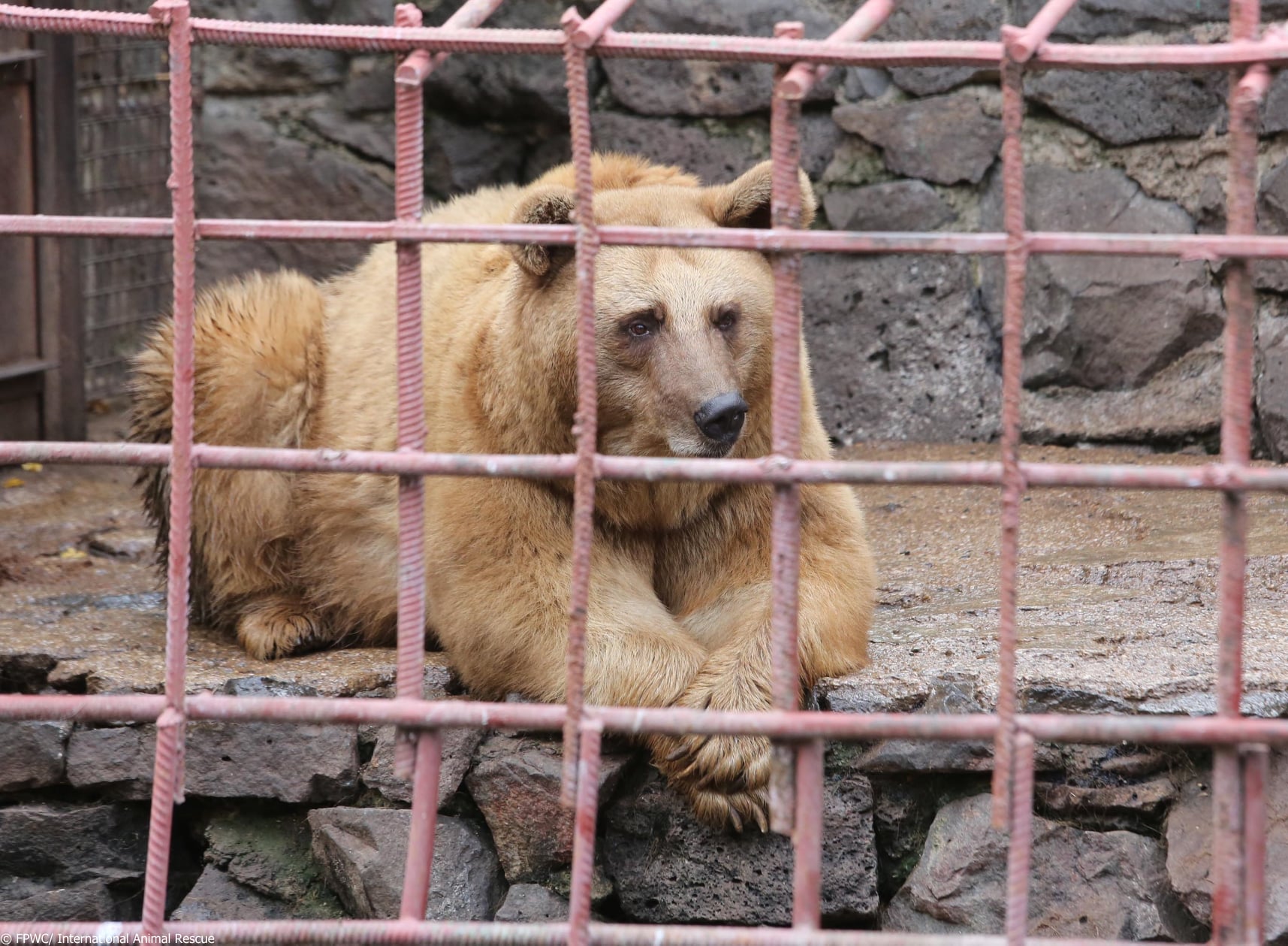
Misha and Dasha's existence in captivity was marked by monotony and hardship. Confined to cramped quarters, they spent their days pacing back and forth, yearning for freedom. Their attempts to find solace often resulted in injury, as they would bang their heads against the bars or attempt to climb them.
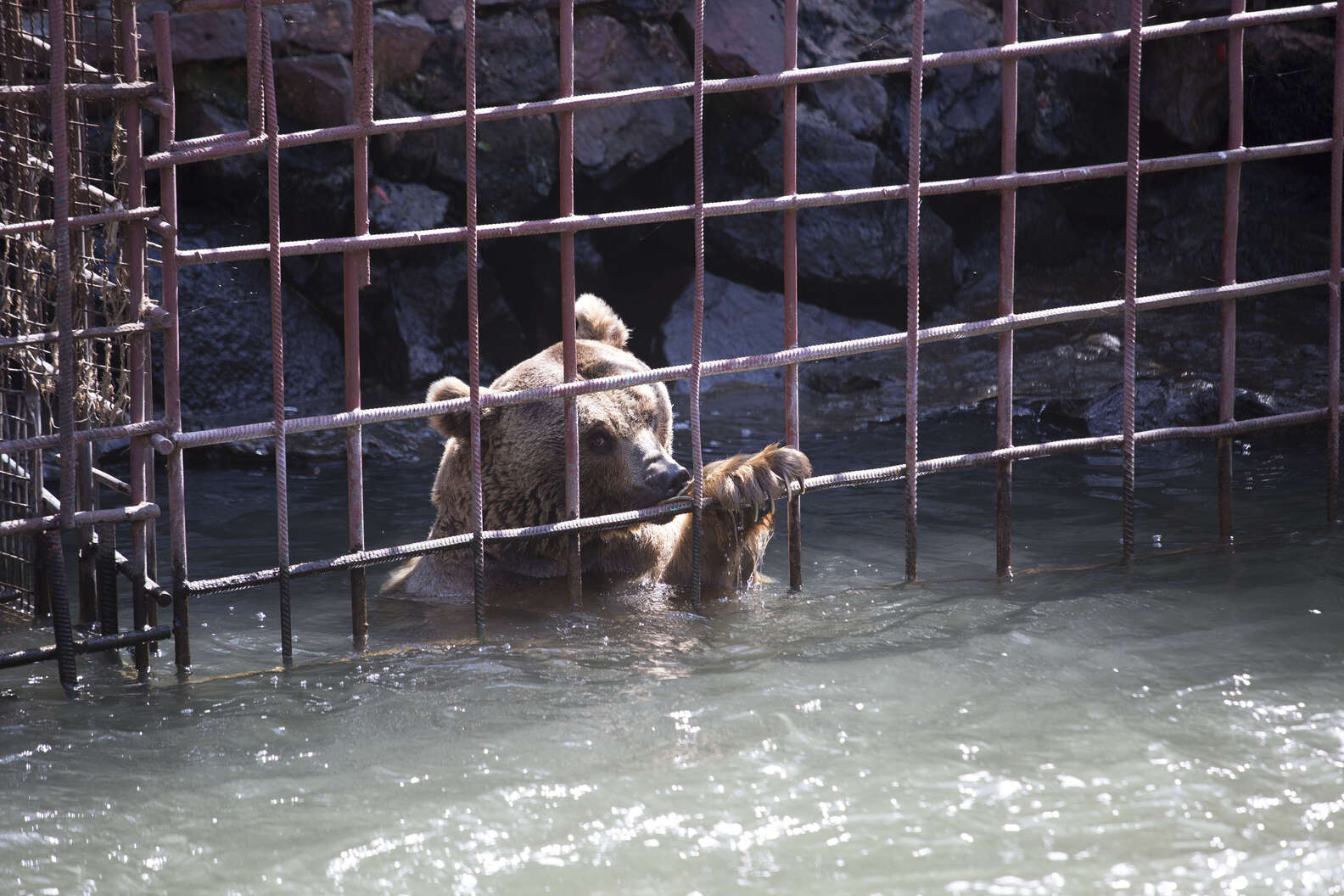
The situation was further exacerbated by the cage's location along the riverbank, subjecting the bears to the constant threat of flooding. In one harrowing incident, rising water levels nearly claimed their lives, underscoring the urgent need for their rescue.
Fortunately, the collective efforts of IAR and the Foundation for the Preservation of Wildlife and Cultural Assets yielded results. Through persuasion and negotiation, the restaurant owners agreed to release Misha and Dasha into the care of these organizations.
Misha and Dasha spent their lives entertaining diners in an Armenian riverside restaurant, confined to rusting, welded cages.
The bears had a tough time in their cage by the river, especially when it flooded. Once, the water got so high that they almost drowned.
They lived a dull life, pacing back and forth in their enclosure, constantly looking for ways to break their boredom.
Dr. Jane Goodall, a leading primatologist and conservationist, emphasizes the importance of rehabilitation for animals like Misha and Dasha. She notes that bears, being highly intelligent and social animals, thrive in environments that mimic their natural habitats.
Goodall explains that transitioning from captivity to a more natural setting can significantly improve their mental and physical health. To ensure successful rehabilitation, gradual acclimatization to the wild is essential, allowing them to learn necessary survival skills.
For instance, organizations can implement enrichment programs that stimulate their natural instincts, helping them adapt to a more fulfilling life.
Dr. Marc Bekoff, a cognitive ethologist, highlights that Misha and Dasha's release raises awareness about the ethical treatment of wildlife. He advocates for wildlife sanctuaries as a viable alternative to captivity, where animals can live in environments that cater to their natural behaviors.
Bekoff stresses that education is key in preventing future cases of animal captivity. By informing restaurant owners and the public about the psychological and physical toll of confinement on animals, we can promote more humane practices.
Moreover, he encourages the development of stricter regulations on the use of wild animals for entertainment, emphasizing that policy changes can help protect these creatures.
Keeping bears in cages for entertainment in restaurants is not a common or accepted practice in Armenia or anywhere else. This idea likely stems from isolated incidents or misconceptions.
In reality, Armenia, like many other countries, has laws and regulations concerning wildlife conservation and animal welfare. The treatment of animals in such environments is subject to scrutiny by both legal authorities and public opinion.
After a lot of hard work from both the International Animal Rescue (IAR) and the Foundation for the Preservation of Wildlife and Cultural Assets, the restaurant owners agreed to give up Misha and Dasha.
"The Amazing Story of Dasha."
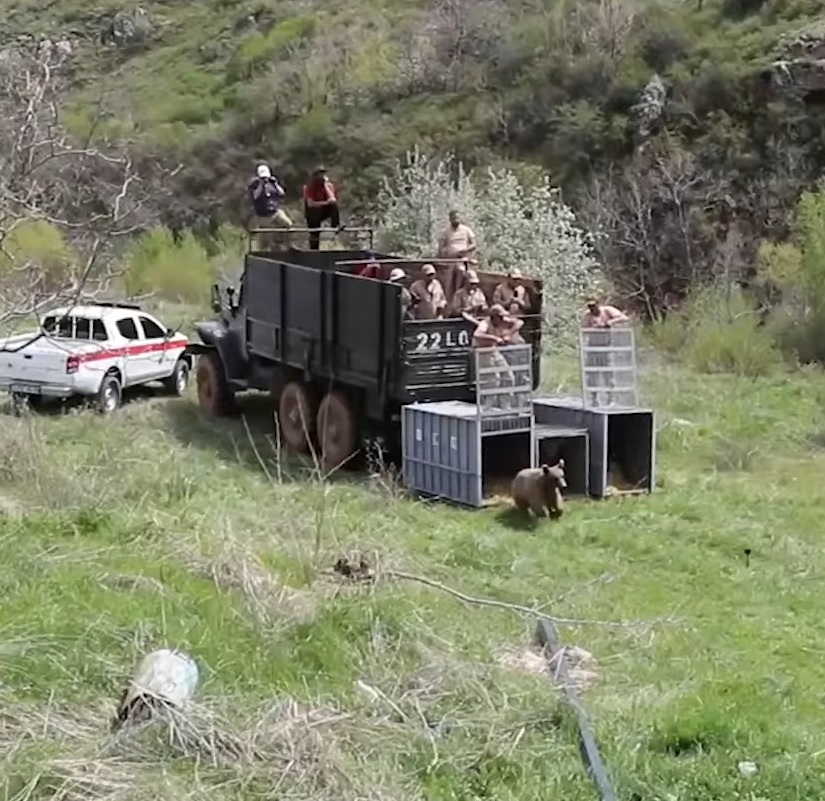
Now, Misha and Dasha are embarking on a new chapter of their lives, free from the confines of their cages. They have been transported to a sanctuary where they will receive proper care and a natural environment to thrive in.
Thanks to the unwavering dedication of animal lovers and the support of generous donors, Misha and Dasha have been granted a second chance at life. As they take their first steps into freedom, their story inspires hope and reaffirms the importance of protecting and preserving the welfare of all creatures, great and small.
In summary, the journey of Misha and Dasha from captivity to freedom is not just a win for these bears; it serves as a powerful reminder of the urgent need for ethical treatment of wildlife. Dr. Goodall and Dr. Bekoff's insights underscore the importance of rehabilitation and education in fostering a compassionate approach toward animals.
As we move forward, it’s crucial for society to advocate for wildlife sanctuaries and implement regulations that prohibit the exploitation of animals for entertainment. By doing so, we can ensure that more animals have the chance to thrive in their natural environments, free from human interference.