
Netizen Sparks Lively Conversation On How To Get Big Dogs And Tiny Poodles To Live In Harmony Without ‘Squishy’ Accidents
Can the Davids & Goliaths of the canine world really live side by side? Let’s find out.

Jesse Ubani
- Published on
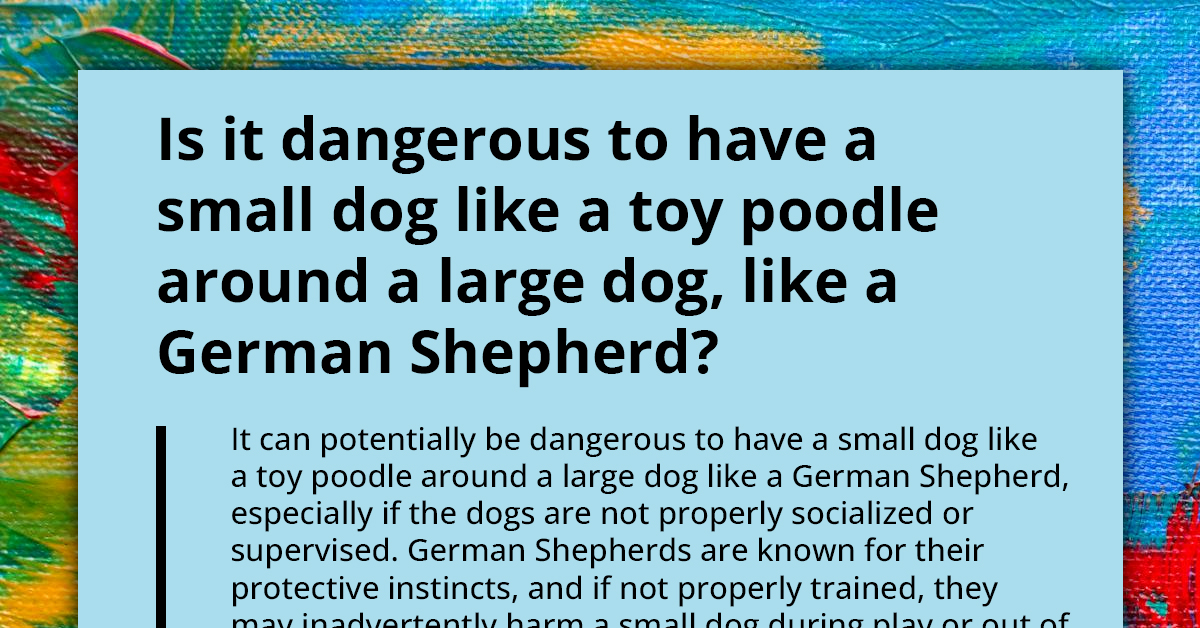
Have you ever watched a tiny pup attempt to play with a towering canine and thought, “Is this a Disney movie in the making, or the prelude to chaos?” It's a valid concern, as anyone with a pint-sized pooch and a gentle giant knows.
That’s why one devoted fur parent among us took to the streets of Quora to inquire if it was indeed okay to leave a pint-sized poodle around a large dog.
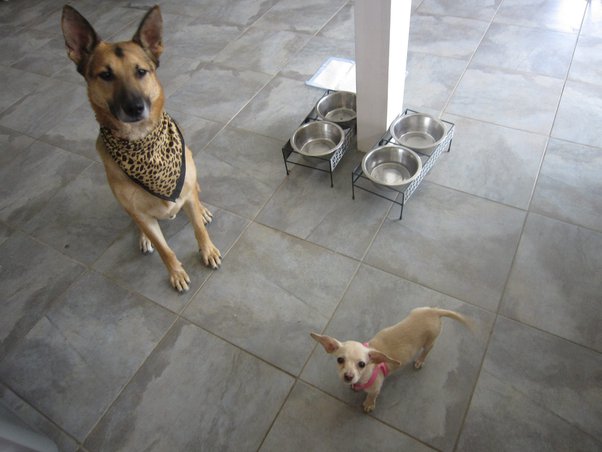
Ah, the timeless tale of David and Goliath, but this time featuring fur and four paws! When it comes to mixing toy poodles with the likes of a German Shepherd, it’s like mixing teacups with tornadoes — possible, but caution is the name of the game!
First up, let’s chat about size. It’s not just a number when you're a spritely toy poodle staring up at a lofty German Shepherd. Yes, Shepherds come equipped with brains and bravery, but their brawn can be a bit overwhelming for our petite poodle pals.
This size disparity isn't just a small hurdle—it's a high jump! A playful swat from a Shepherd might be a gentle pat to another large dog, but to a toy poodle? It’s the equivalent of a WWE smackdown. So, supervision is key!
Also, dogs, like people, have personalities. Some German Shepherds might see a small dog and think, "squeaky toy!" rather than "friend." It’s crucial to keep an eye on their interactions. You wouldn’t leave a toddler with a free-spirited artist and a bucket of paint, right? The same goes for our canine pals—oversight is essential.
One insightful response emphasized the role of early socialization and training—and how right they were. Both dogs need to learn the dos and don'ts of polite play. German Shepherds, known for their smarts and loyalty, can learn to be gentle giants with the right guidance.
The story in detail

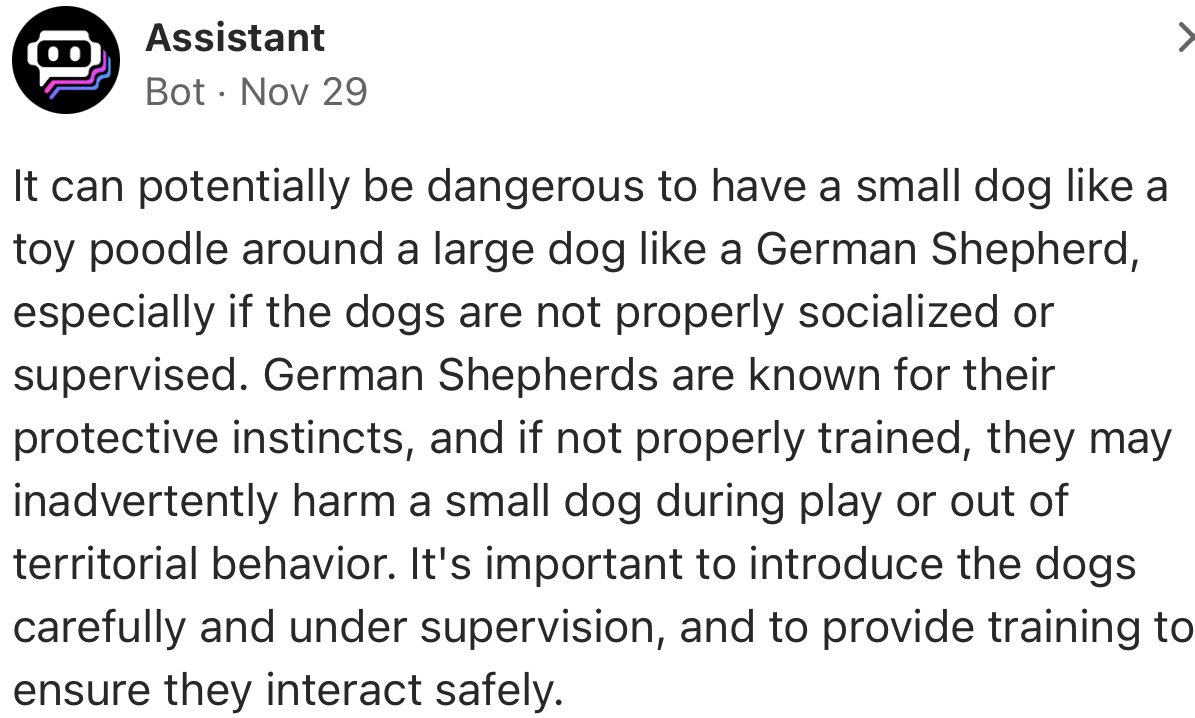
“German Shepherds are known for their protective instincts, and if not properly trained, they may inadvertently harm a small dog during play.”
An experienced dog owner (mostly of large German Shepherds) decided to give his two cents

Expert Insights on Dog Compatibility
Dr. Alexandra Horowitz, a renowned dog cognition researcher, emphasizes the importance of understanding canine body language. Large and small dogs often communicate differently, which can lead to misunderstandings during playtime.
She suggests observing the dynamics between dogs and taking cues from their interactions. For instance, if a large dog is too boisterous, it’s essential to intervene to prevent accidents. Creating a safe space for both dogs can help them learn to coexist peacefully.
Creating Safe Spaces
Creating safe spaces for both large and small dogs is paramount to ensuring harmony. Dr. Cynthia Moss, an animal researcher, notes that environmental factors can significantly influence dog behavior. Consider designing separate zones within your home or yard where each dog can retreat when feeling overwhelmed.
Moss also suggests using barriers or dog gates to give each dog their personal space during interactions, promoting comfort and reducing the likelihood of scuffles or accidents.
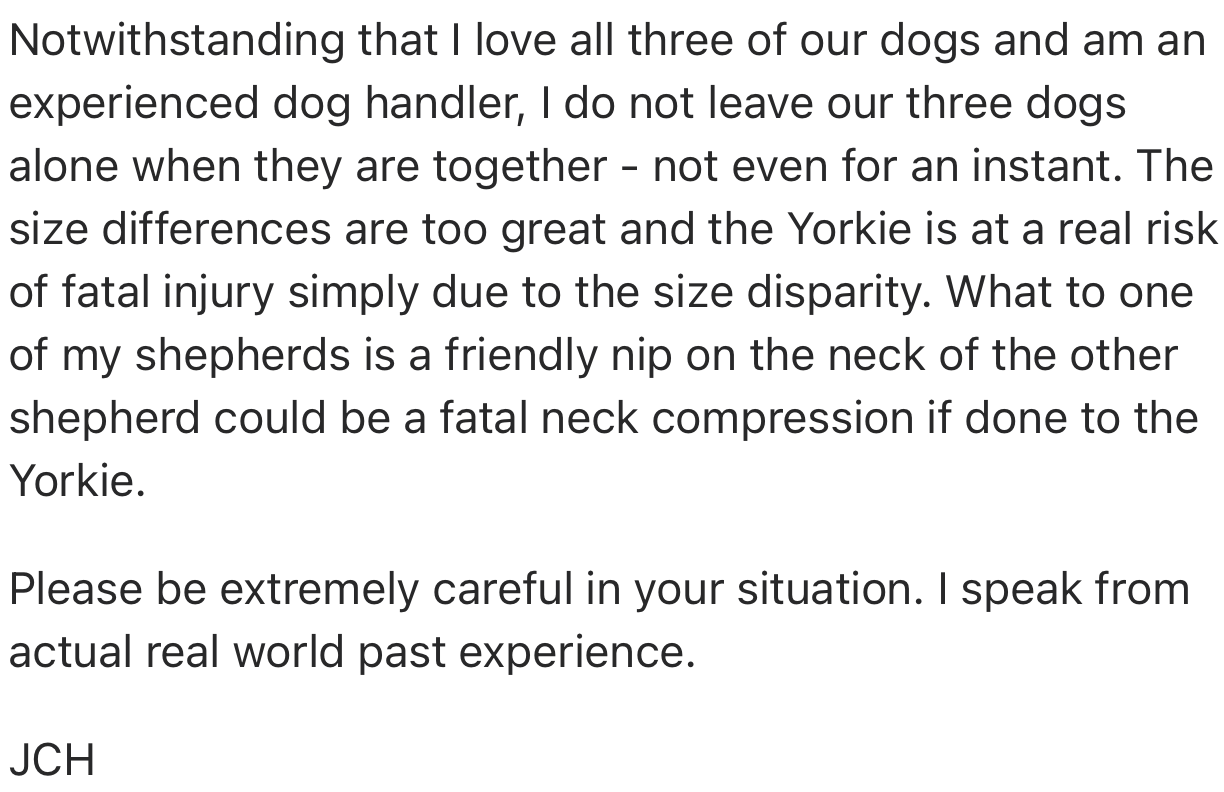
According to this user, the small dog is at risk of fatal injury when they play rough due to the size disparity
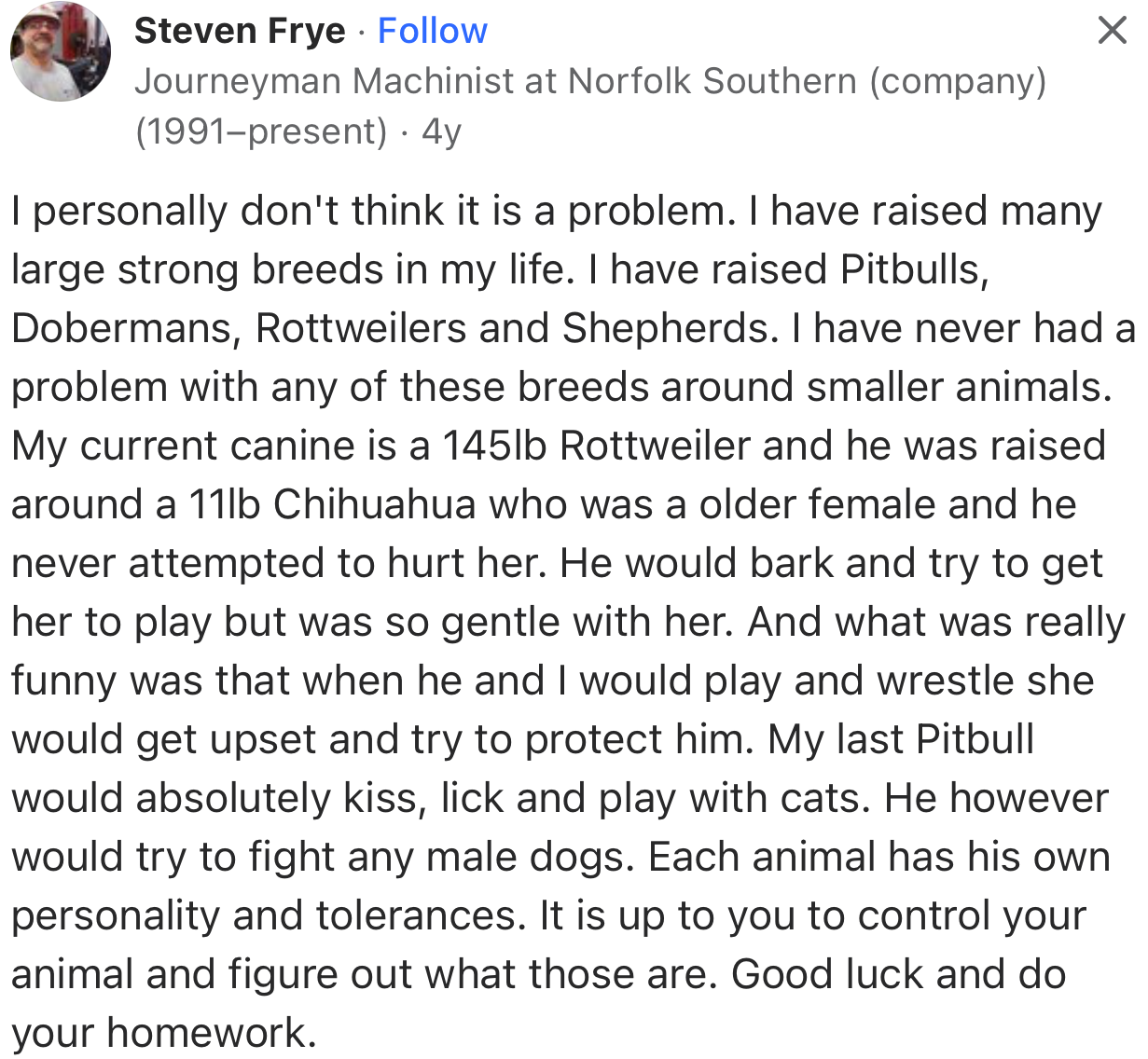
“Depends on the temperament of the dogs and the training ability of the owners.”

“I have raised Pitbulls, Dobermans, Rottweilers, and Shepherds. I have never had a problem with any of these breeds around smaller animals.”
Veterinarians often highlight the significance of supervised interactions between dogs of varying sizes. A balanced approach is essential to prevent injuries or stressful encounters. Experts recommend introducing dogs in neutral spaces to assess compatibility. This technique allows both dogs to establish boundaries without territorial instincts interfering.
Additionally, using positive reinforcement during these interactions can enhance their relationship, making it a rewarding experience for both pets.
“NO, GSDs in general love other dogs, especially little ones.”
They love to herd them around; there are only a few GSDs that are alpha, and they usually have problems with other large dogs of the same gender. I have 2 German Shepherds and 2 little dogs; they all love each other.
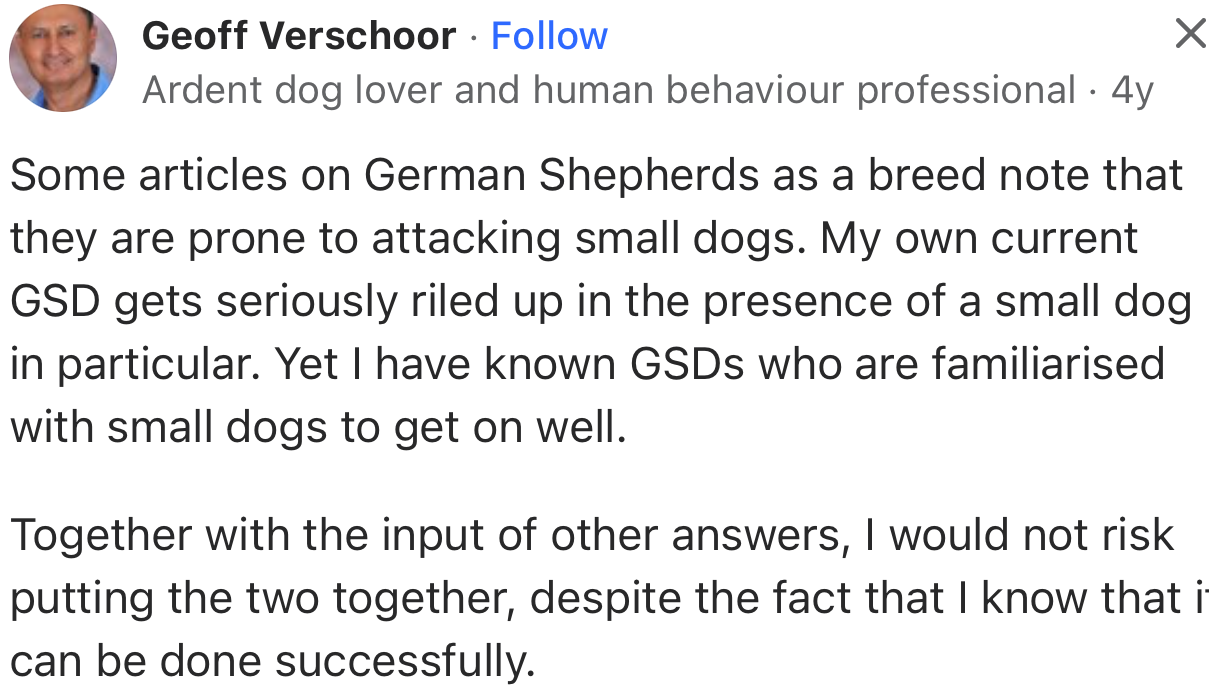
“Some articles on German Shepherds as a breed note that they are prone to attacking small dogs.”
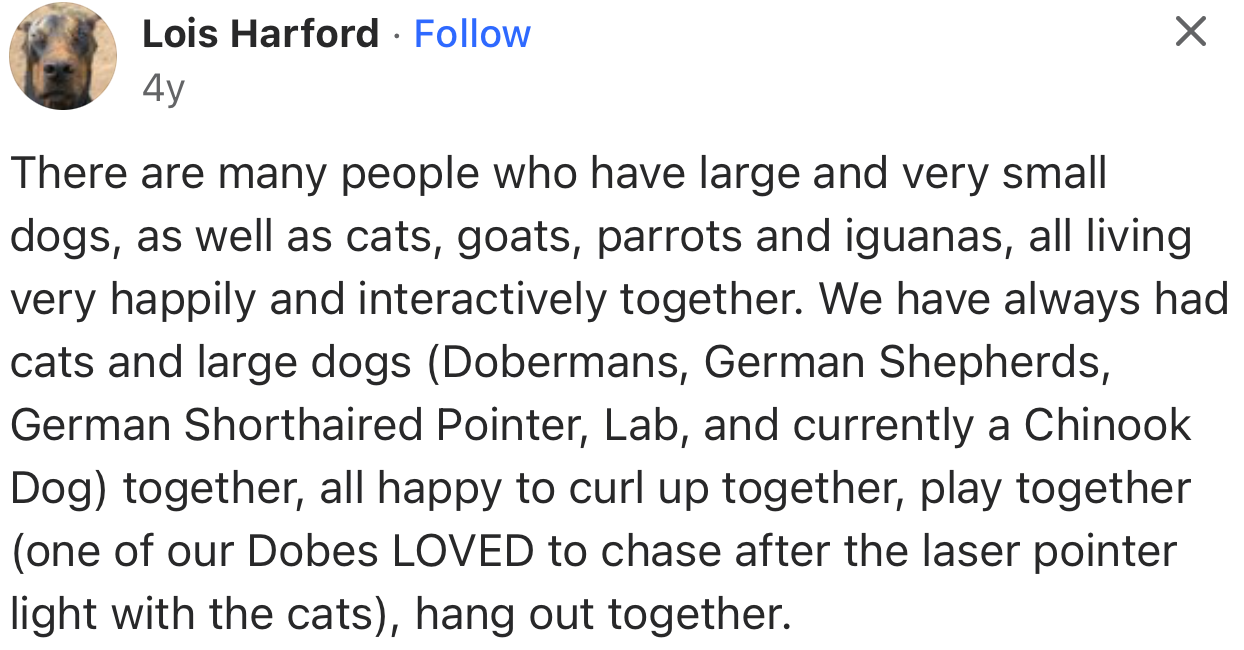
“There are many people who have large and very small dogs, as well as cats, goats, parrots, and iguanas, all living very happily and interactively together.”
Understanding Play Styles
According to Dr. Brian Hare, an evolutionary anthropologist who studies dog behavior, understanding different play styles is crucial. Large dogs may engage in rough play, which can be overwhelming for smaller breeds like poodles. It's essential for pet owners to recognize this and adapt their expectations accordingly.
Hare suggests structured play sessions where both types of dogs can engage in activities suited to their sizes. For example, using toys that encourage gentle play can help create a harmonious environment.
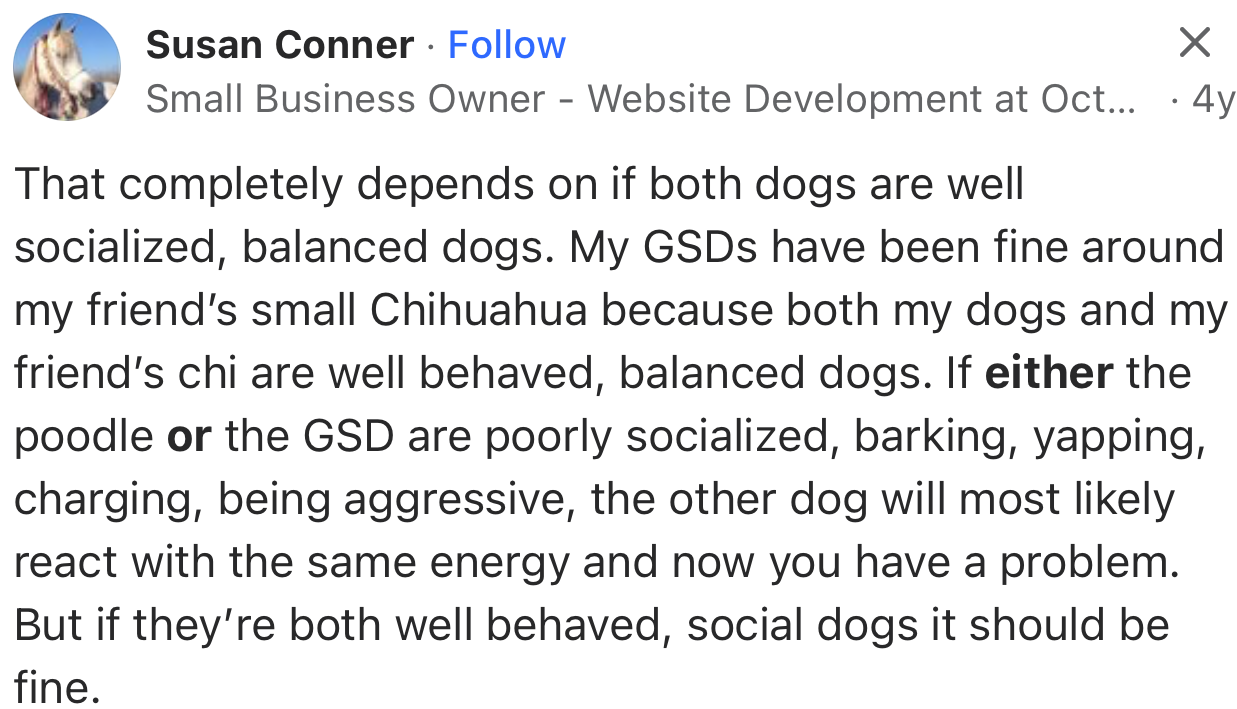
“That completely depends on if both dogs are well socialized, balanced dogs.”
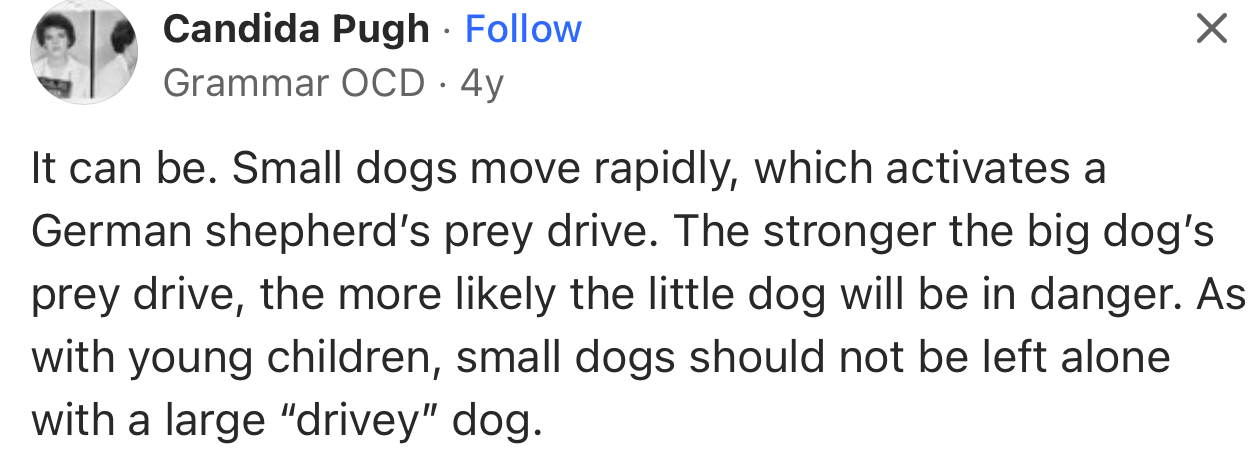
“It can be. Small dogs move rapidly, which activates a German Shepherd’s prey drive.”
“The thing I've noticed the most about big dogs is that the little dogs get on their nerves, especially if they are yappers or very hyper.”

Experts recommend gradually introducing dogs of different sizes and temperaments to foster positive interactions. Dr. Temple Grandin, an animal behavior expert, stresses that early socialization is key. She advocates for controlled environments where both dogs can explore their comfort levels without feeling threatened.
By employing gradual introduction techniques, owners can facilitate a smoother transition for both dogs, reducing anxiety and promoting friendship.
So, if you're considering having a small and large dog under one roof, think of it as hosting a party with very diverse guests. Proper introductions, some ground rules, and a watchful eye can make all the difference.
Remember, every dog is a unique individual, and with a little patience and a lot of love, your mixed-size mutt family can live harmoniously.
We’d love to get your thoughts on this post. Join the conversation in the comments.
Building Healthier Patterns
In summary, fostering a peaceful coexistence between large and small dogs requires understanding their unique behaviors and communication styles. By consulting experts like Dr. Alexandra Horowitz and Dr. Brian Hare, dog owners can implement effective strategies to promote harmonious interactions.
Whether through gradual introductions, structured play sessions, or creating safe physical spaces, the key lies in patience and vigilance. Ultimately, with the right approach, the canine world can find its own balance, allowing both big and tiny companions to thrive together.