
Dramatic Horse Fakes Death To Avoid Being Ridden - An Oscar-Worthy Performance
Jingang, a horse from Mexico, has become renowned for his inventive method of avoiding work.

Damjan Milenkovic
- Published on
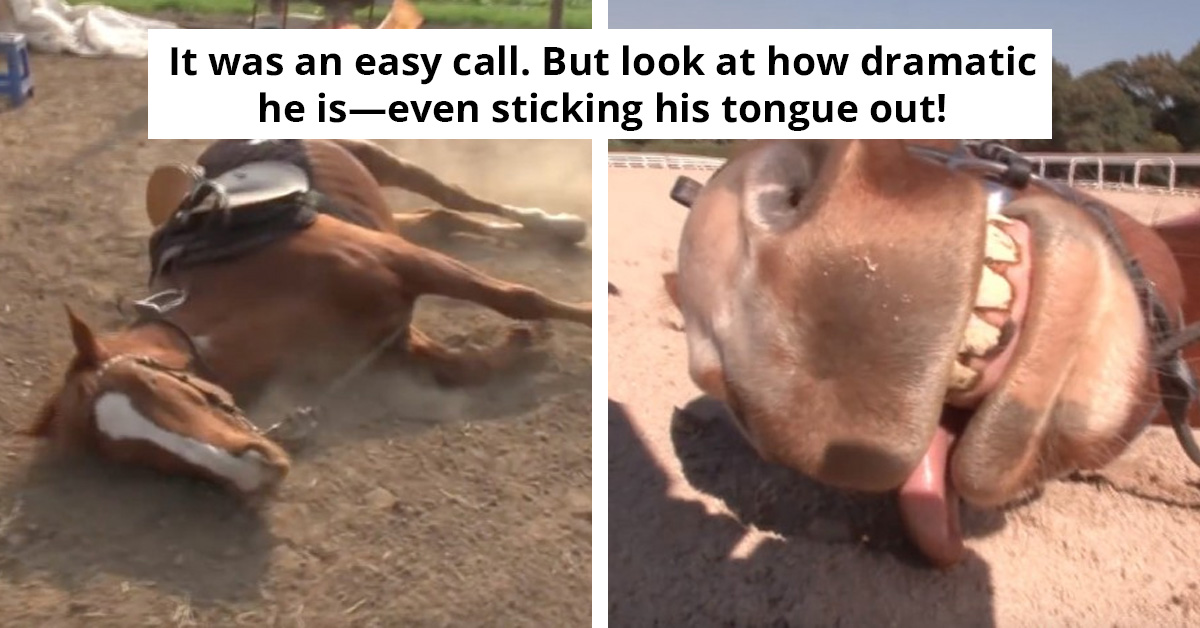
Jingang did not just flop dramatically, he acted like the main character in a sports movie, complete with tongue-out commitment and full-body “I am definitely dead” energy.
In the viral video shared by Jingang’s owners, the horse clearly decides he wants zero part of being ridden, so he plays dead the moment things get tense. It sounds silly until you realize what makes it complicated: this is not a one-off spasm, it is a repeatable move, timed for maximum effect, and the whole thing is happening right in front of the people who are supposed to get him moving.
And once you see how far he takes it, you start to wonder if he is not avoiding work, he is negotiating his boundaries.
He is striving for an Academy Award through his performance.
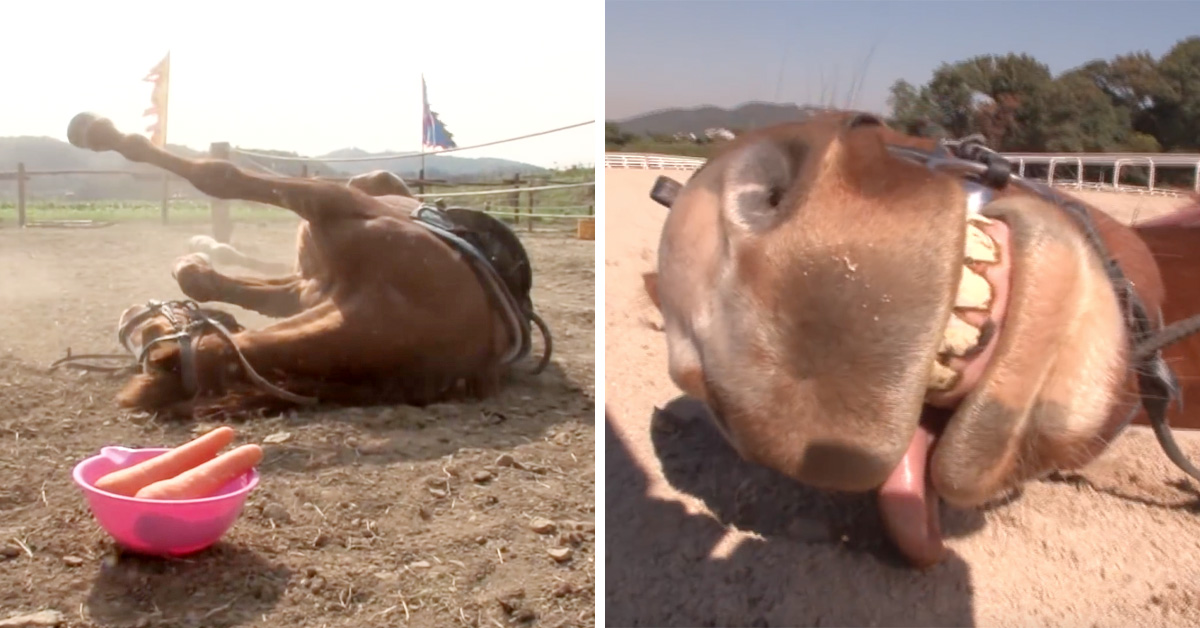
Which one do you think is Jingang?
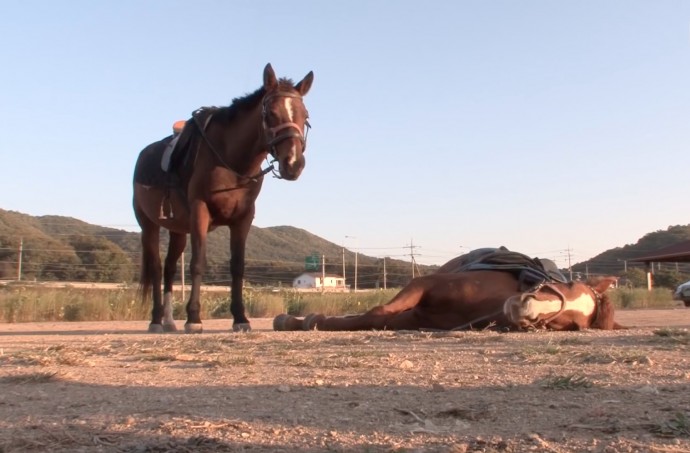
It was an easy call. But look at how dramatic he is—even sticking his tongue out!
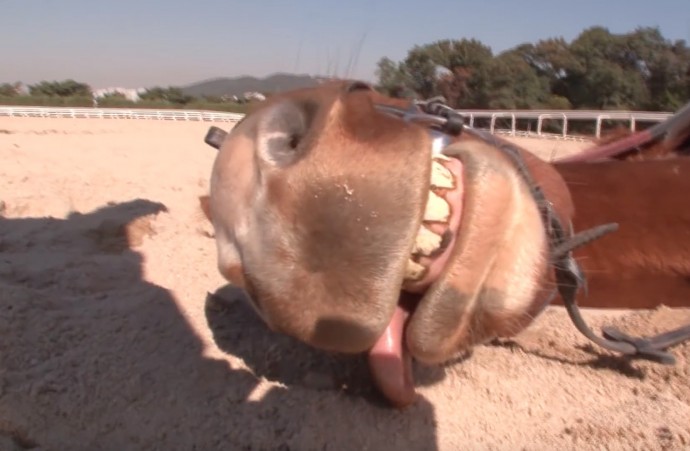
That tongue-out “Oscar speech” moment is where Jingang’s owners get the video-worthy proof that he is not just being dramatic for fun.
Jingang's dramatic performance of playing dead reveals a fascinating layer of animal behavior that goes beyond mere instinct. This horse's clever tactic highlights how his environment has shaped his responses to perceived threats, particularly the threat of being ridden. Such avoidance strategies are not just signs of intelligence; they indicate an emotional depth that allows animals to navigate their social worlds effectively. Observing Jingang, one can appreciate the complexity of equine behavior, where creativity and survival instincts intertwine. This showcases the importance of positive reinforcement in training, as encouraging desired behaviors can lead to more harmonious interactions between horses and their riders rather than relying on punishment for avoidance actions.
Equestrian trainers emphasize the importance of establishing trust and communication between horse and rider.
Jingang delivered an exceptional performance that truly deserves the award.
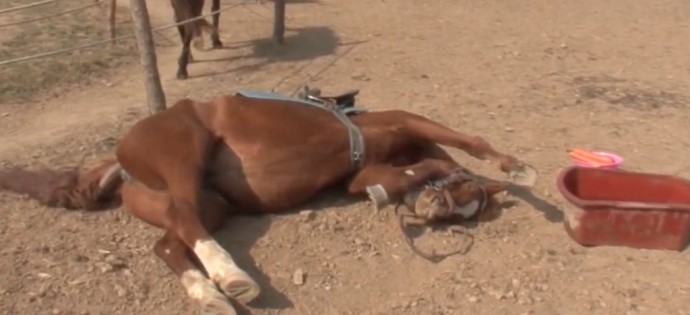
He even stretches his legs in the air. It's imposing.
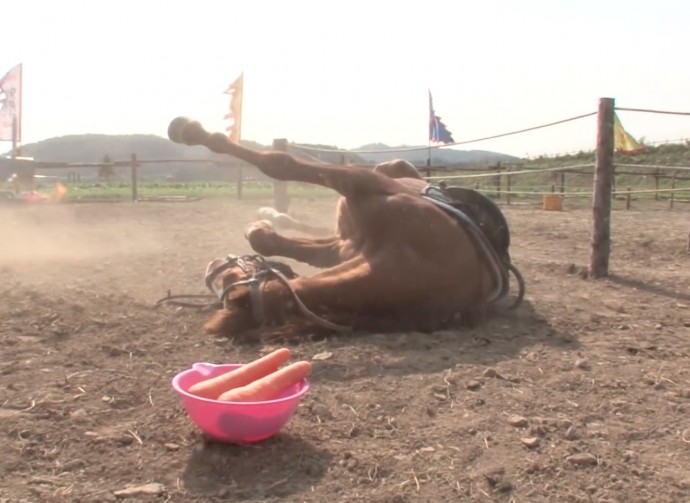
Close your eyes, Jingang. No one will notice you’re breathing heavily.
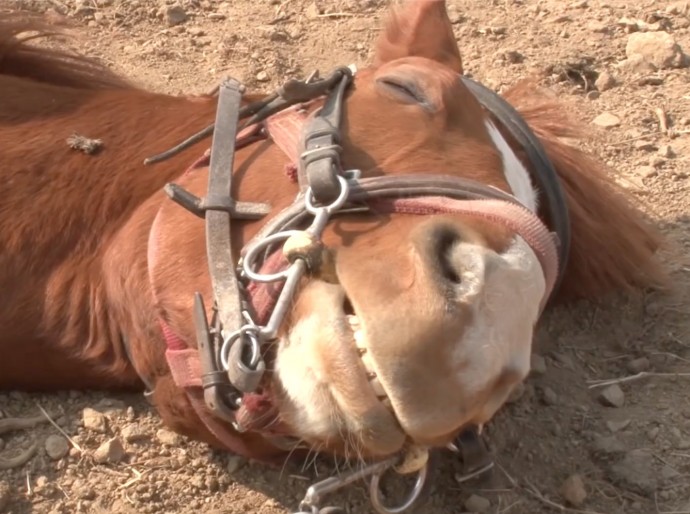
Right after the playing-dead routine, the whole situation shifts from “cute horse behavior” to “why is he doing this every time?”
This reminds us of the dog who went viral for acting like he was dead.
Then the clips keep stacking up, and the 23 million views make it clear this is the kind of avoidance that grabs attention fast.
Creating a stimulating environment can significantly improve a horse's demeanor and willingness to work. Incorporating varied experiences into a horse's daily routine ensures they remain engaged and less likely to resort to dramatic avoidance tactics.
Still not sure?
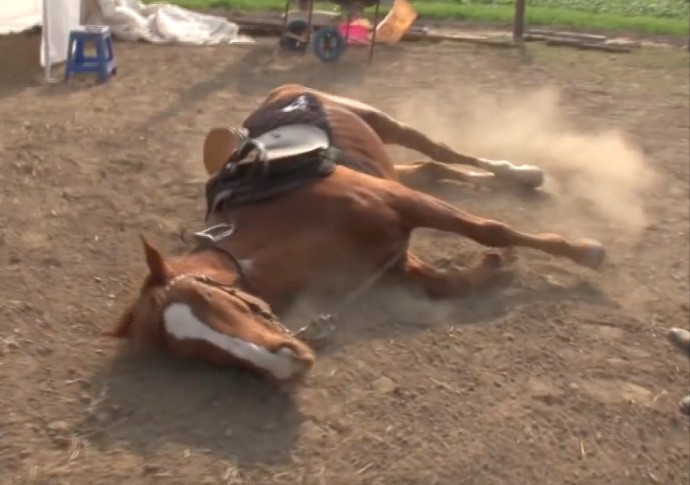
Unsurprisingly, the video below, shared by Jingang's owners, went viral and has racked up over 23 million views.
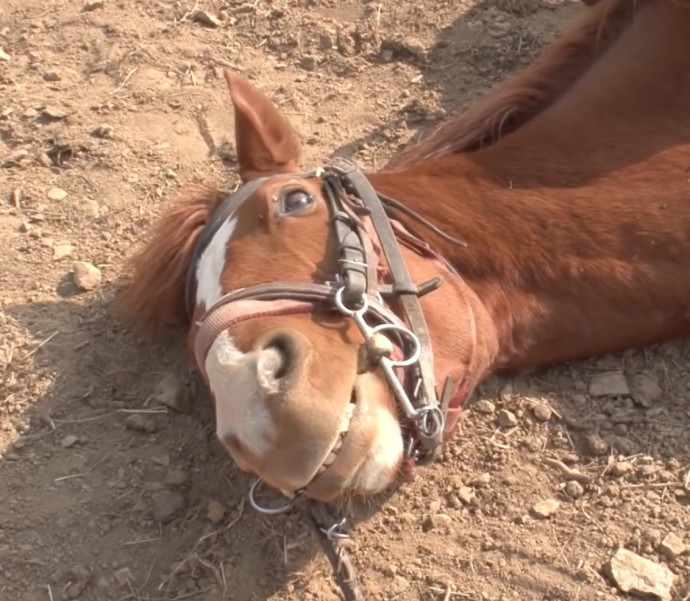
The horse that plays dead so he won't be ridden.
By the time Jingang stretches his legs in the air and goes full statue mode, you are watching a personality, not a random tantrum.
Jingang's story makes us think about how animals behave and how we care for them. It shows that animals like him can surprisingly communicate what they like or don't like. Even though Jingang's way of avoiding work differs, it reminds us to respect each animal's personality.
Jingang's tale reminds us that animals interact with humans differently. His humorous refusal to be ridden showcases his cleverness, humor, and uniqueness, which people all over the world find fascinating. As we enjoy watching Jingang, we should also learn from his behavior about being kind and understanding toward animals.
The next time you see a horse, think of Jingang and his clever way of saying "no" to work with style. In the animal world, even laziness can be impressive.
Jingang's remarkable act of playing dead underscores a critical insight into equine behavior. This horse's choice to feign death rather than comply with being ridden speaks volumes about the need for horse owners to delve deeper into their animals' motivations and emotions. Instead of viewing this behavior merely as defiance, it offers a window into Jingang's perspective and the potential stressors he may face when approached for riding.
To foster a more cooperative relationship, owners should consider implementing positive reinforcement strategies and enhancing the overall environment for their horses. By creating a more engaging atmosphere, they can encourage their horses to participate willingly rather than resorting to avoidance tactics. Ultimately, the journey towards a harmonious riding experience relies on empathy and understanding. When handlers take the time to appreciate their horses' needs, they lay the groundwork for a trusting relationship that enriches the riding experience for both horse and rider.
Nobody wants to be ridden, especially when you can just play dead and get the point across.
After watching Jingang fake death, check out how an unaware hero “unchains” his horse.