
Meet The Most Entitled People Online - 43 Instances Of Entitled Behavior From People Who Don’t Realize It
Enjoy the distorted sense of self-importance...

Damjan Milenkovic
- Published on
A curious phenomenon has emerged in today's interconnected world, where interactions often occur through screens and keyboards. It is a behavior that combines entitlement with an unreasonable expectation of freebies or special treatment.
This phenomenon has been coined "Choosing Beggars Syndrome," drawing attention to individuals who demand more than what is reasonable, often without realizing the impact of their actions. While not recognized as a clinical disorder, Choosing Beggars Syndrome manifests in various ways, as seen in online communities like r/choosingbeggars.
These platforms showcase screenshots and anecdotes of individuals expecting something for nothing or demanding services at a fraction of their value. This raises questions about where healthy self-interest ends and narcissism begins.
These interactions stand out because of the obliviousness of those exhibiting such behavior. Many seem genuinely surprised or offended when their requests are met with resistance or ridicule.
This lack of awareness highlights a deeper societal issue: the blurred lines between personal entitlement and communal responsibility. The scenarios shared on these forums range from the absurd to the downright frustrating.
Imagine someone asking for a high-end product for free because they believe their social media presence is valuable enough in return. Or encountering individuals who insist on significant discounts for services already offered at fair prices.
Psychologically, Choosing Beggars Syndrome may stem from a combination of factors. It could be rooted in a distorted sense of self-importance, where individuals overestimate their worth or influence.
Moreover, the anonymity of online platforms often encourages people to make demands they might not express face-to-face, leading to unrealistic expectations. Critically, these behaviors can infuriate those on the receiving end but also evoke sympathy.
Many individuals exhibiting Choosing Beggars Syndrome may not realize the impact of their actions on others or the businesses they engage with. This underscores the need for empathy and education in navigating digital interactions responsibly.
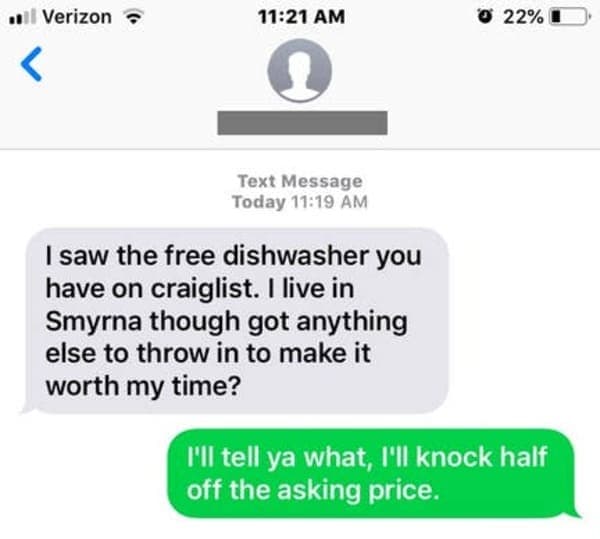
1. "What’s in it for me besides a free dishwasher?"
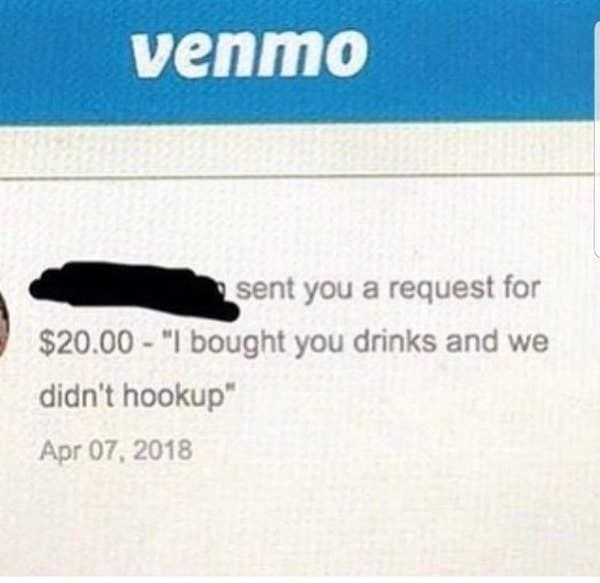
2. "And it’s your fault, not mine."
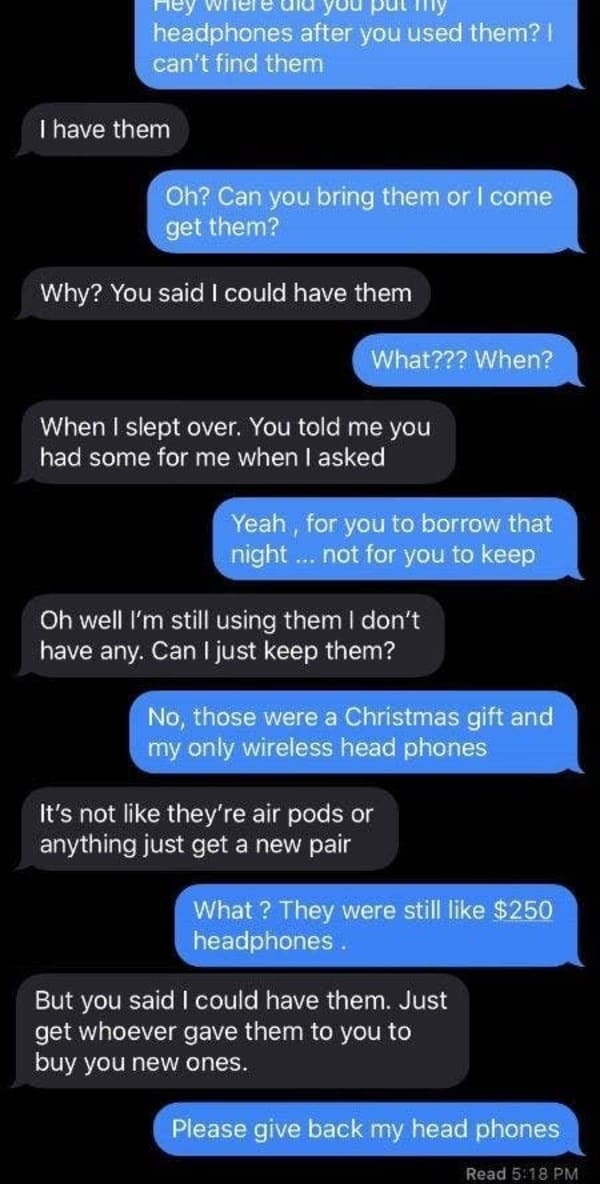
3. "Just have someone buy you new ones!"
Dr. Susan David, an expert in emotional agility, emphasizes that entitlement often stems from unmet emotional needs. In her book, she discusses how individuals may express entitlement when they feel powerless in their situations.
David notes that addressing these underlying emotions through self-reflection and emotional awareness can redirect entitlement into more constructive behaviors. By developing the ability to navigate emotions effectively, individuals can foster healthier relationships and interactions, reducing the likelihood of ‘Choosing Beggars Syndrome’ in their lives.
Contributing to Community
Dr. Jennifer Holland, a wildlife journalist, reminds us that contributing to a community can counteract feelings of entitlement. When individuals engage in community service or support, they shift their focus from personal gain to collective well-being.
This shift can foster gratitude and understanding, helping to diminish entitlement. Holland encourages participation in community initiatives as a way to build empathy and connection with others, reinforcing a sense of shared responsibility.
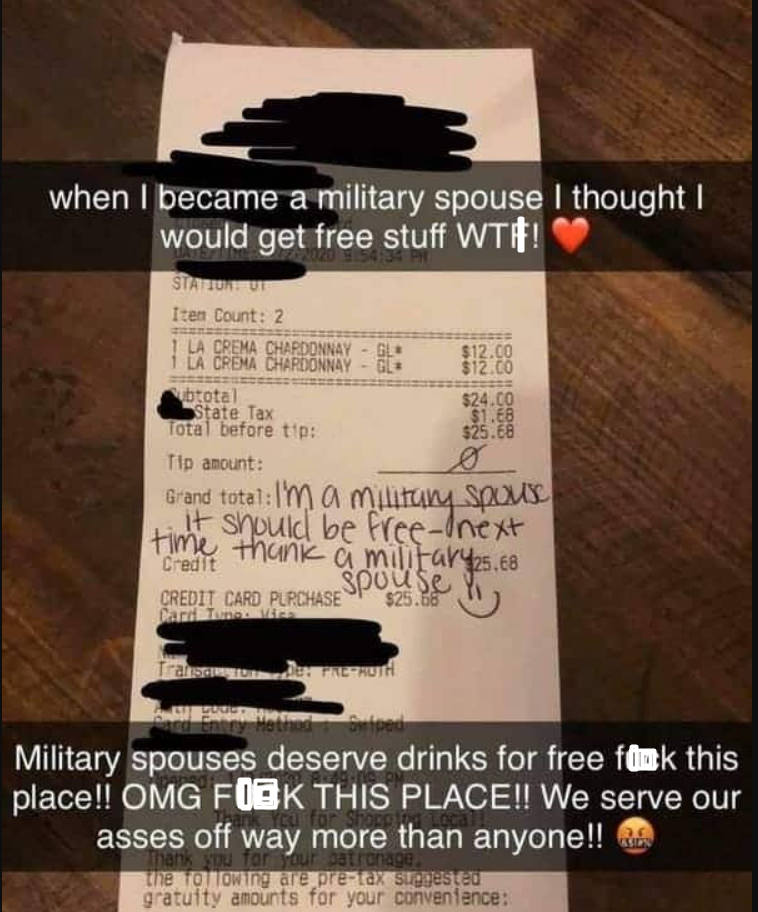
4. "Thank you for your service, but you should be thanking me for my spouse’s service."
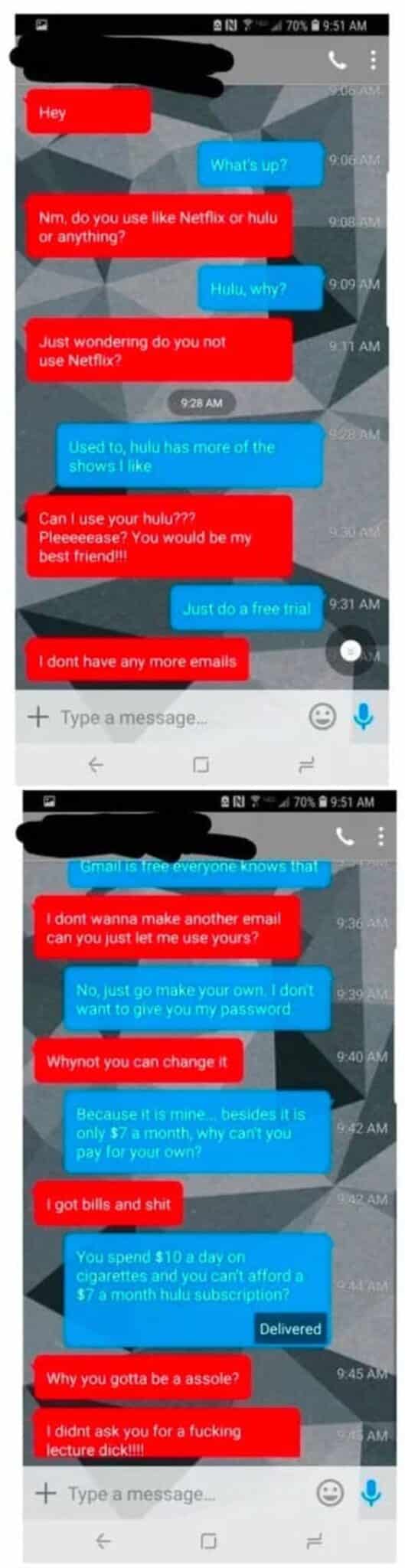
5. "A little hard to read, but basically: can I have your Hulu for free instead of buying my own?"
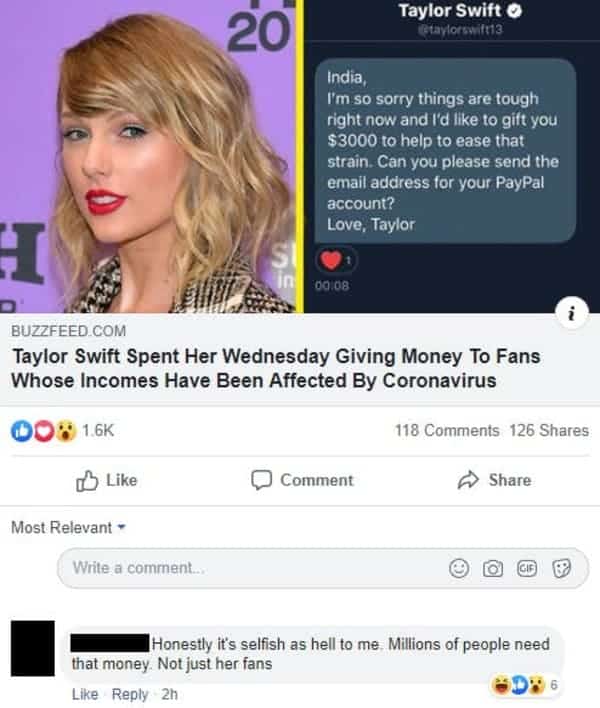
6. "Not just her fans!"
Understanding Entitlement in Context
According to Dr. Brené Brown, a researcher on vulnerability and shame, entitlement often disguises deeper insecurities or fears. In her work, she highlights how this behavior can be a defense mechanism.
Brown explains that when people feel inadequate or threatened, they may overcompensate by demanding special treatment. Recognizing this pattern is vital for individuals seeking to understand their own behaviors and those of others. By fostering empathy and connection, we can help mitigate entitlement, leading to healthier social dynamics.
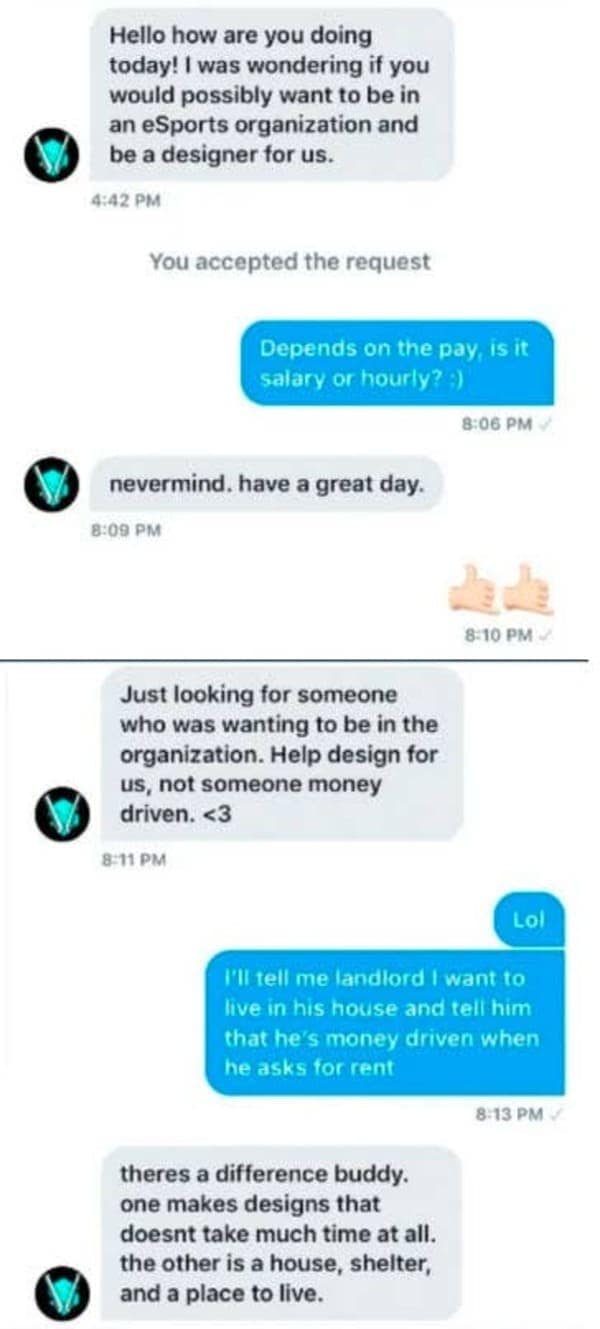
7. "Looking for someone who doesn’t like money."
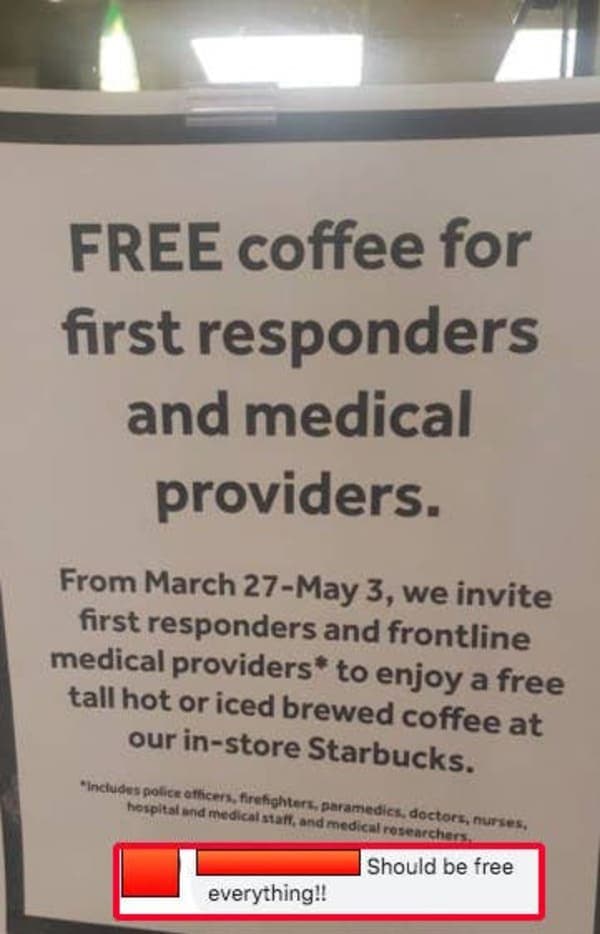
8. "We all love first responders, but wow."
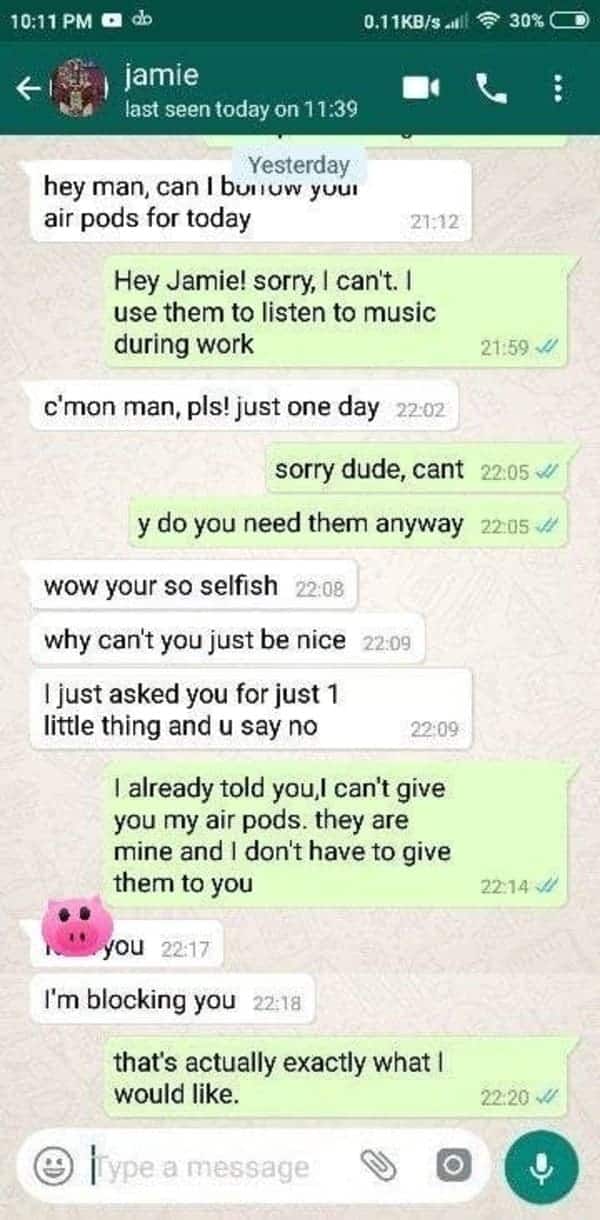
9. "That’s actually exactly what I’d like."
A psychologist specializing in behavioral patterns, Dr. Angela Duckworth, suggests that cultivating grit and resilience can counteract entitlement. In her research, she emphasizes the importance of perseverance and passion in achieving long-term goals.
When individuals focus on building their skills and overcoming challenges, they often find fulfillment in hard work rather than expecting rewards without effort. This shift in mindset can reduce feelings of entitlement and lead to more meaningful achievements and relationships.
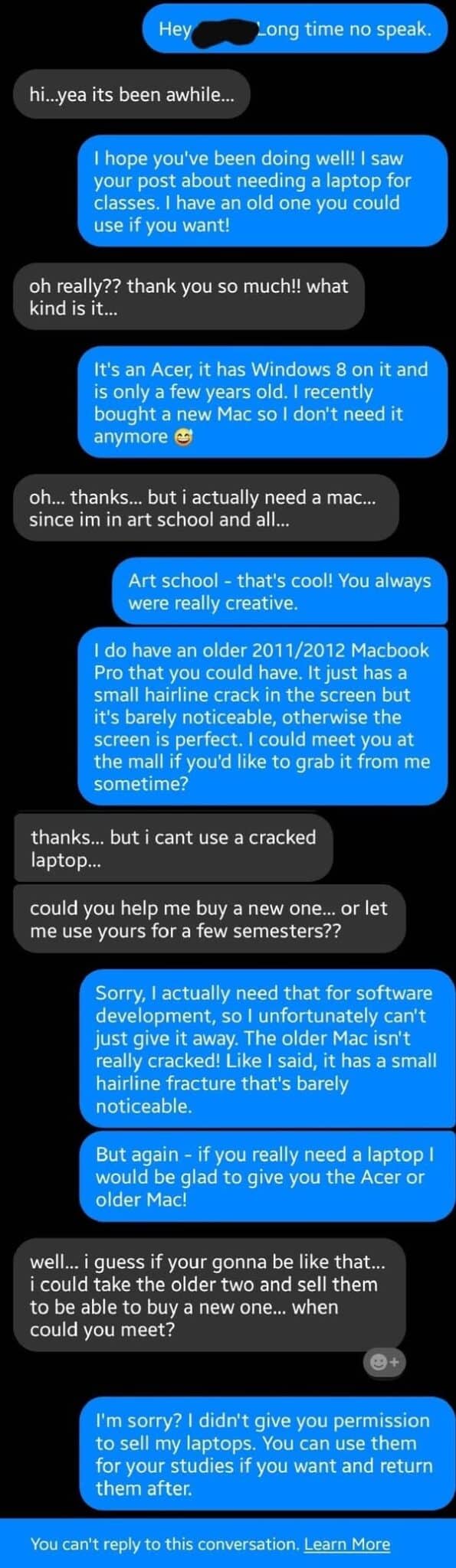
10. "Thought I'd do something nice for someone I used to go to high school with. I know how tough it can be going through college without a laptop. My mistake, I guess."
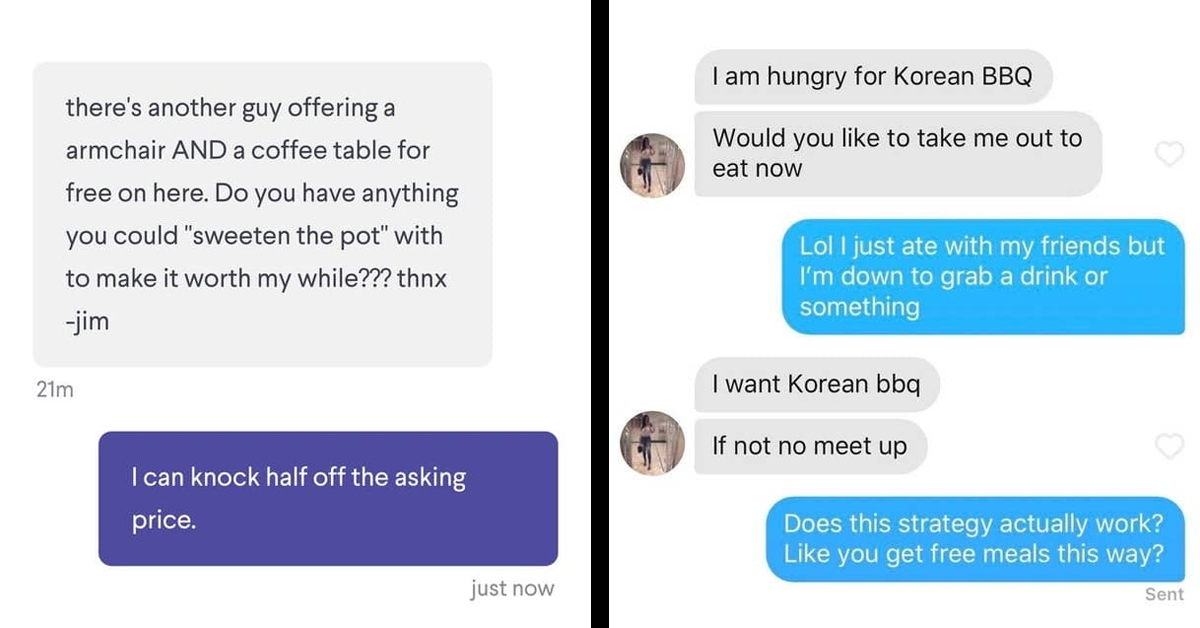
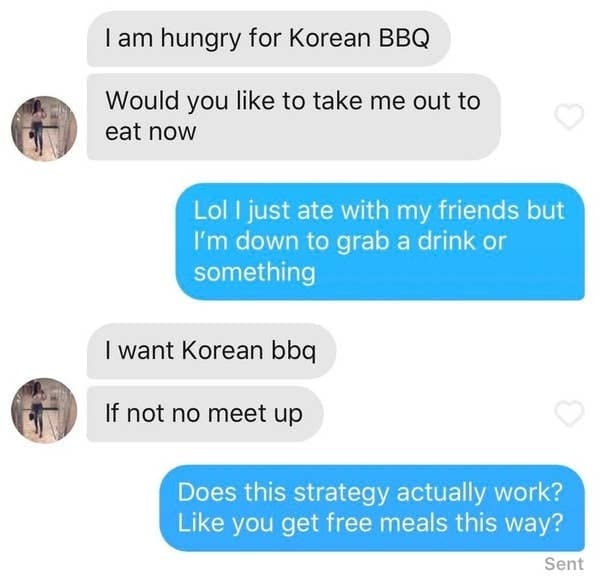
11. "Korean BBQ"
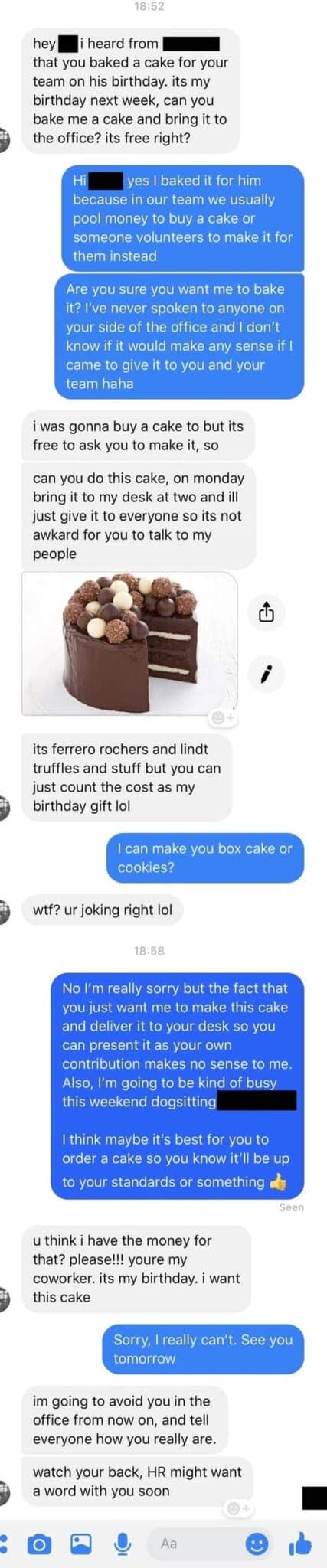
12. "Bake me a cake or I'll tell HR on you."
The Role of Social Media
Dr. Cal Newport, an author and professor, points out that social media amplifies feelings of entitlement by creating unrealistic comparisons. His research highlights how platforms often portray curated, idealized versions of life.
People may feel entitled to similar experiences or recognition without acknowledging the effort behind those portrayals. Newport suggests that reducing social media consumption and focusing on personal growth can help mitigate these feelings, allowing individuals to appreciate their unique journeys without comparison.
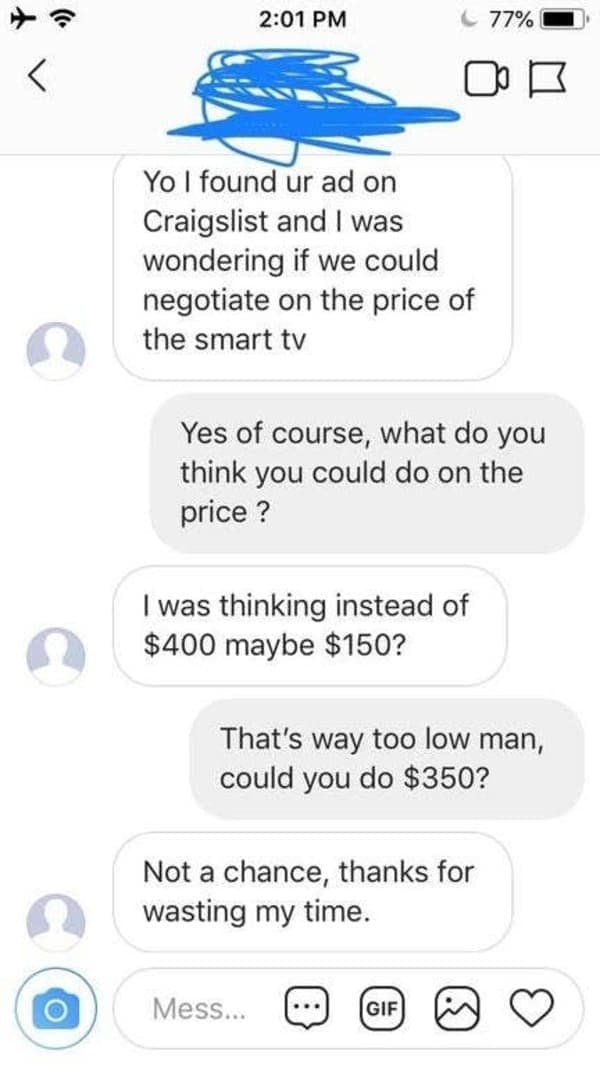
13. "This guy cracks me up lol."
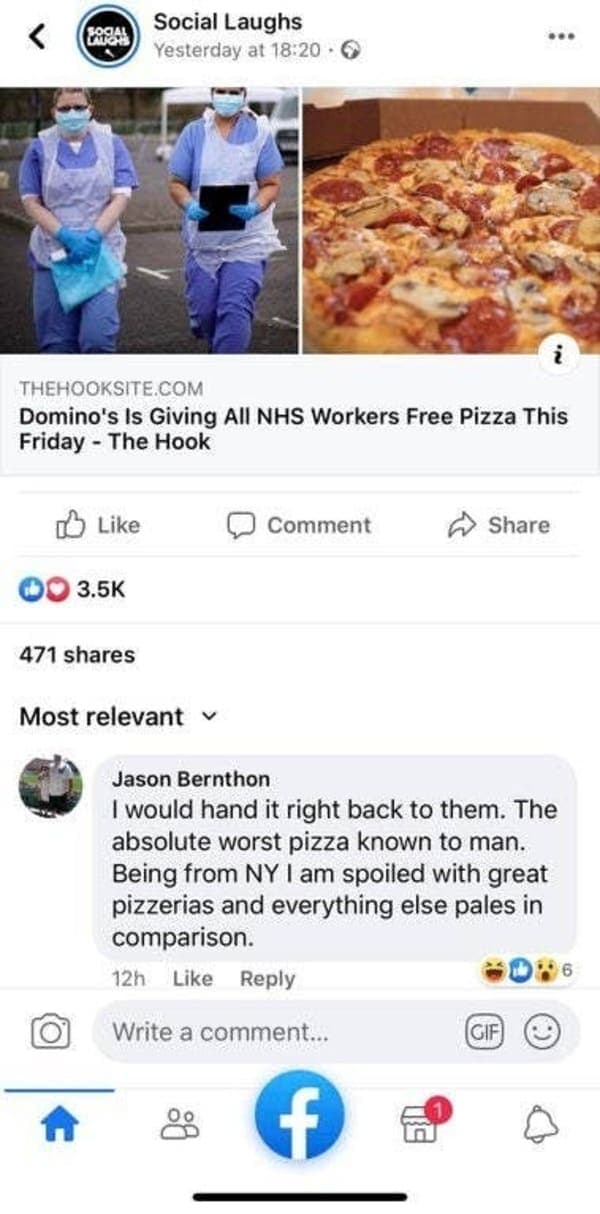
14. "Free pizza?"
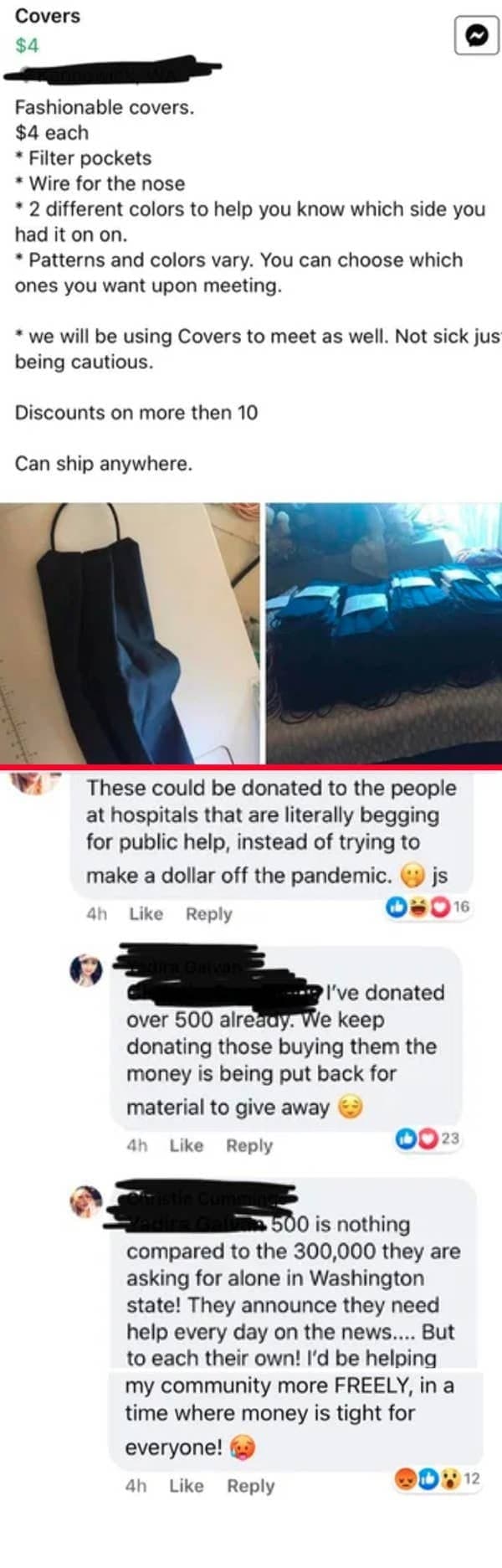
15. "Fashionable covers."
Dr. Simon Sinek, a leadership expert, argues that entitlement often arises from a lack of understanding and connection. In his discussions about leadership, he emphasizes the importance of fostering a culture of trust and collaboration.
By creating environments where people feel valued and connected, leaders can reduce feelings of entitlement. Sinek suggests that organizations should prioritize open communication and shared goals, cultivating a sense of belonging that diminishes the desire for unreasonable demands.
16. "Free tutor."

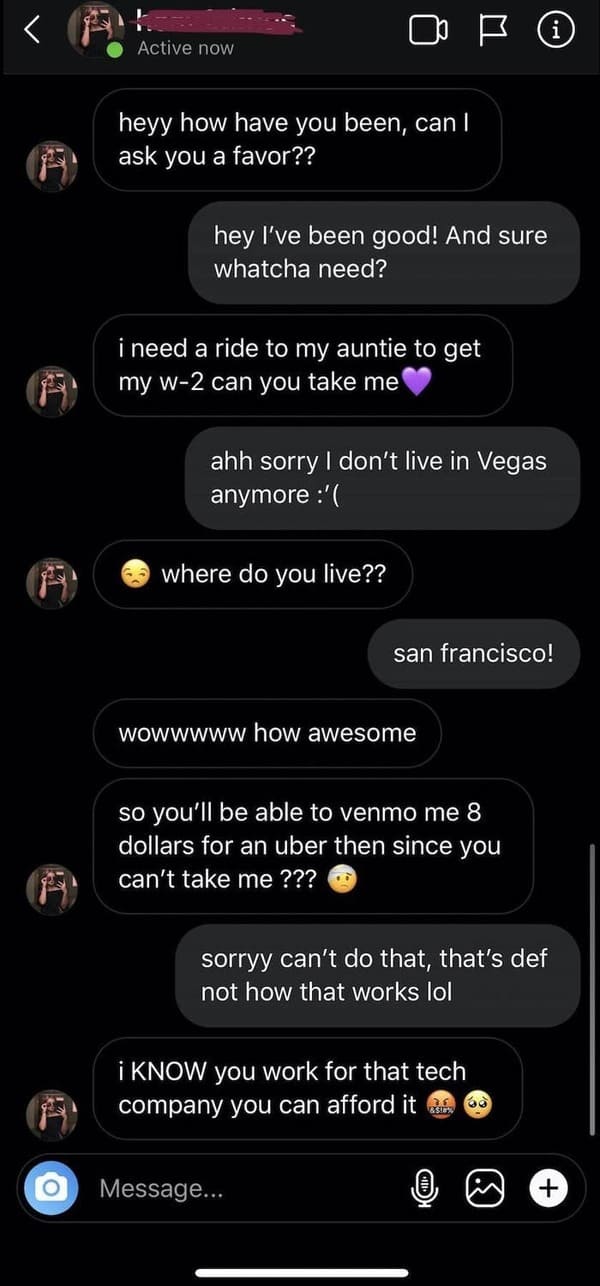
17. "She’s entitled to an Uber since I can’t drive her around for free and have a job."
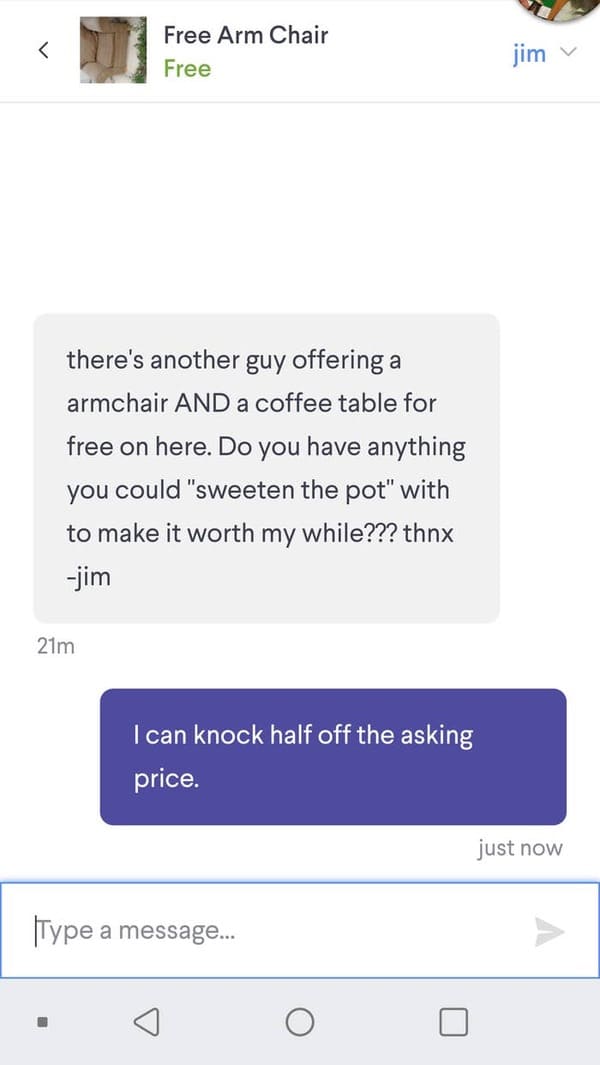
18. "This person was trying to find a way to get more than the free chair being offered."
Practical Steps to Counteract Entitlement
To address entitlement behaviors, Dr. John Hattie emphasizes the importance of feedback and reflection in educational settings. His research indicates that constructive feedback helps individuals recognize the impact of their actions.
Educational leaders can implement regular feedback sessions, encouraging students to reflect on their expectations and the effort required to meet them. This practice not only fosters accountability but also cultivates a growth mindset, reducing entitlement over time.
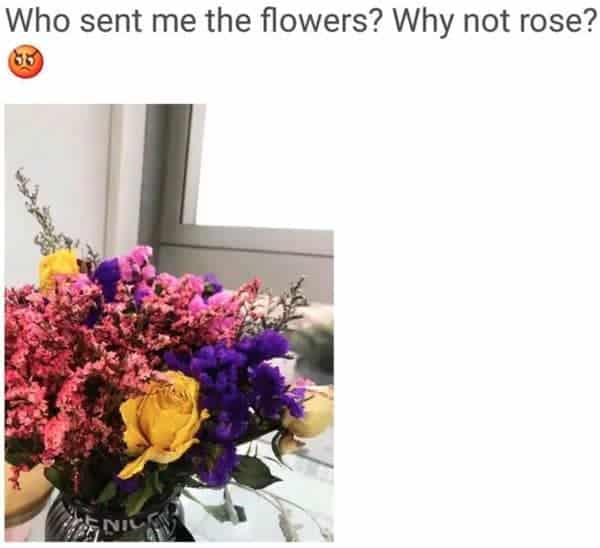
19. "This person only wants one type of flower."
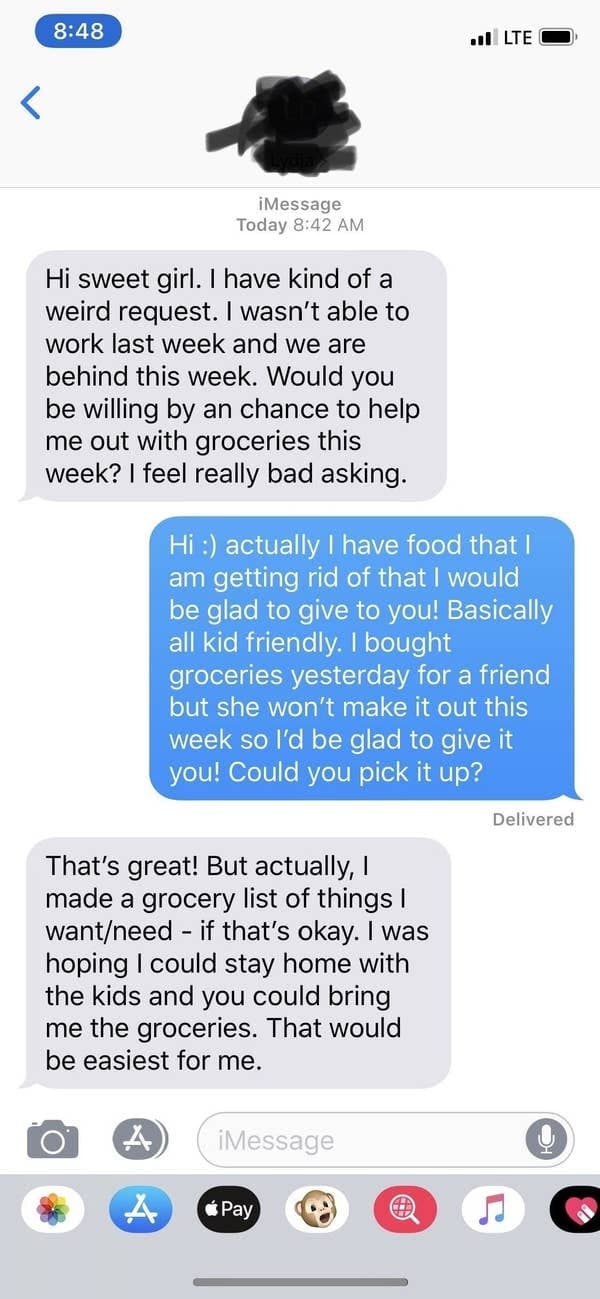
20. "Entitled girl asks for free food, decides she needs delivery as well."
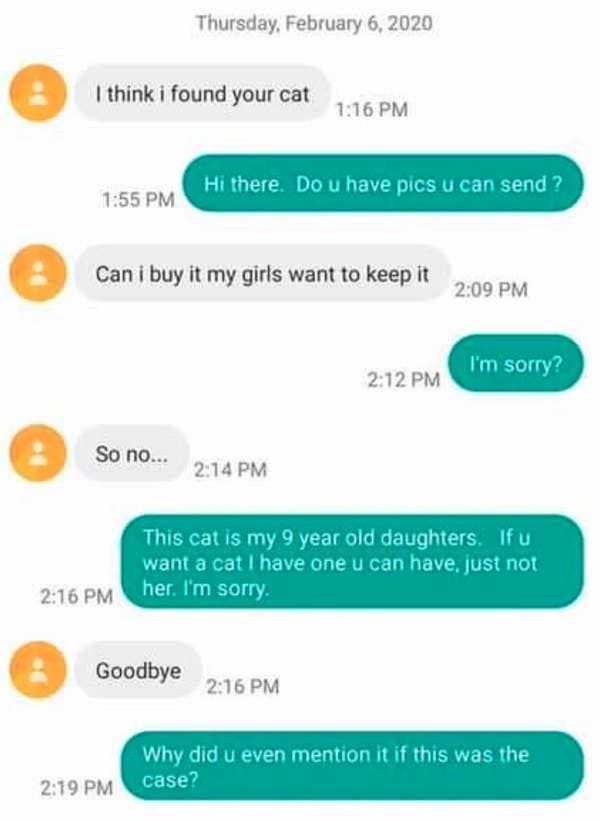
21. "This person seems to think finders keepers applies to people's pets."
Dr. Carol Dweck, a psychologist known for her work on mindsets, highlights how cultivating a growth mindset can significantly reduce feelings of entitlement. She argues that individuals who believe in the power of effort and learning are less likely to expect rewards without hard work.
Encouraging a growth mindset, especially in educational environments, can instill resilience and gratitude, leading to healthier attitudes towards achievement and reducing the prevalence of entitlement.
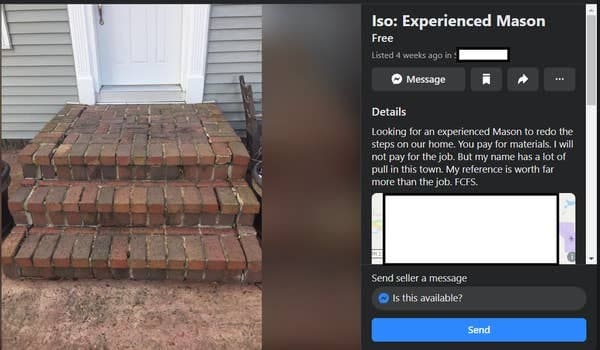
22. "Person claiming their name has 'a lot of pull' in town, as if that warrants free stonework."
23. "The disrespect to makeup artists."

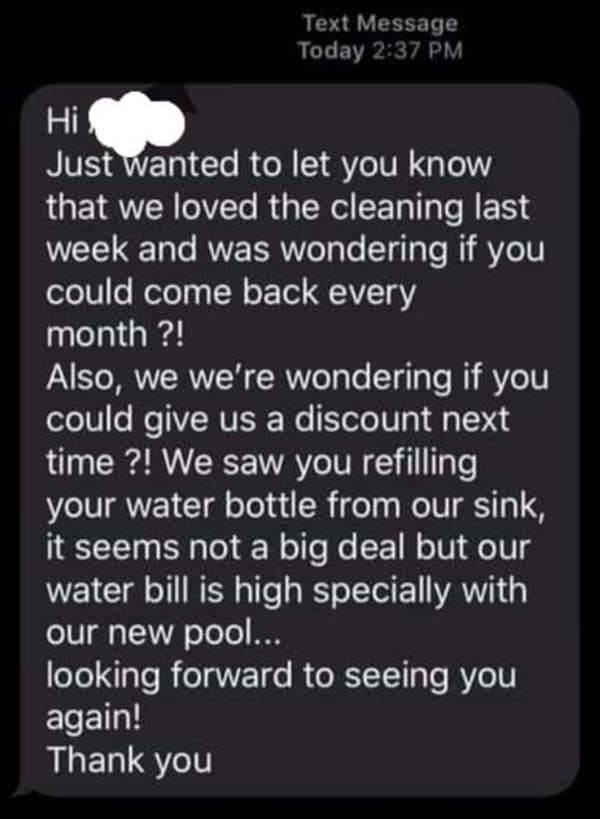
24. "This person thinks they should get a discount from the cleaner who used some of their tap water."
The Importance of Empathy
According to Dr. Helen Fisher, a biological anthropologist, fostering empathy can significantly decrease entitlement. She explains that understanding others’ experiences and emotions can shift the focus from self to community.
When individuals practice empathy, they become more aware of their impact on others, which can mitigate entitlement behaviors. Fisher suggests integrating empathy-building exercises in educational settings to nurture a sense of community and shared responsibility.
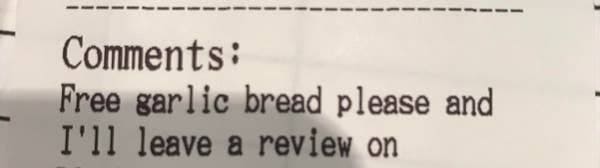
25. "Person who really thinks they can get free food in exchange for a review."
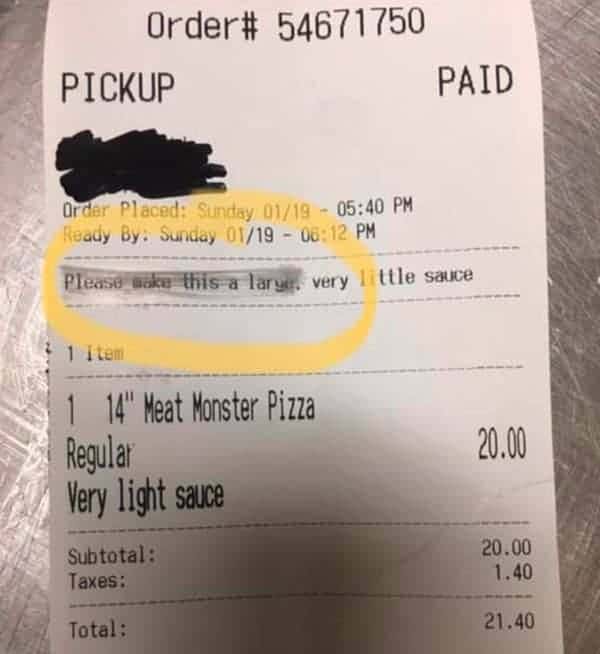
26. "Person who felt they could increase their pizza size in the notes instead of paying for it."
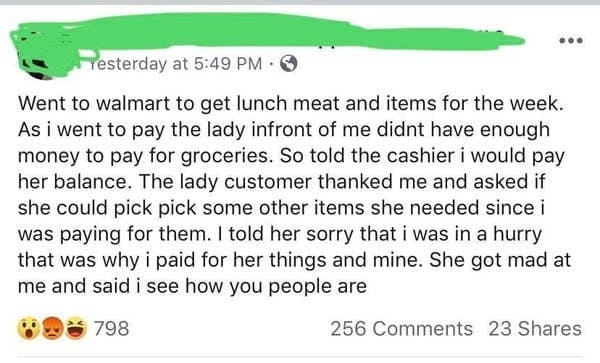
27. "When you don't want to pay someone else's bill."
A relationship expert noted that entitlement can strain personal connections, leading to conflict and disconnection. By fostering open communication, individuals can express their needs without demanding special treatment.
Practicing active listening and expressing appreciation can help rebuild relationships affected by entitlement. This approach encourages mutual respect and understanding, promoting healthier interactions and reducing the likelihood of entitlement in future exchanges.
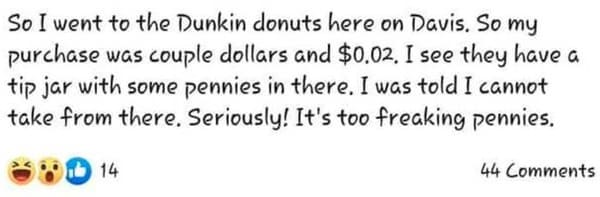
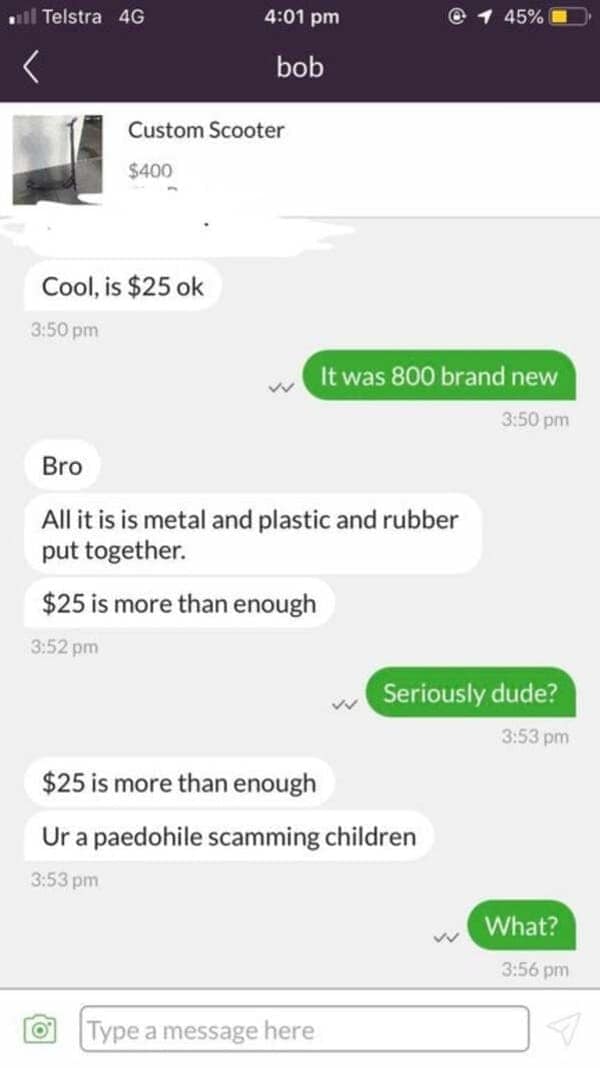
28. "$0.02"
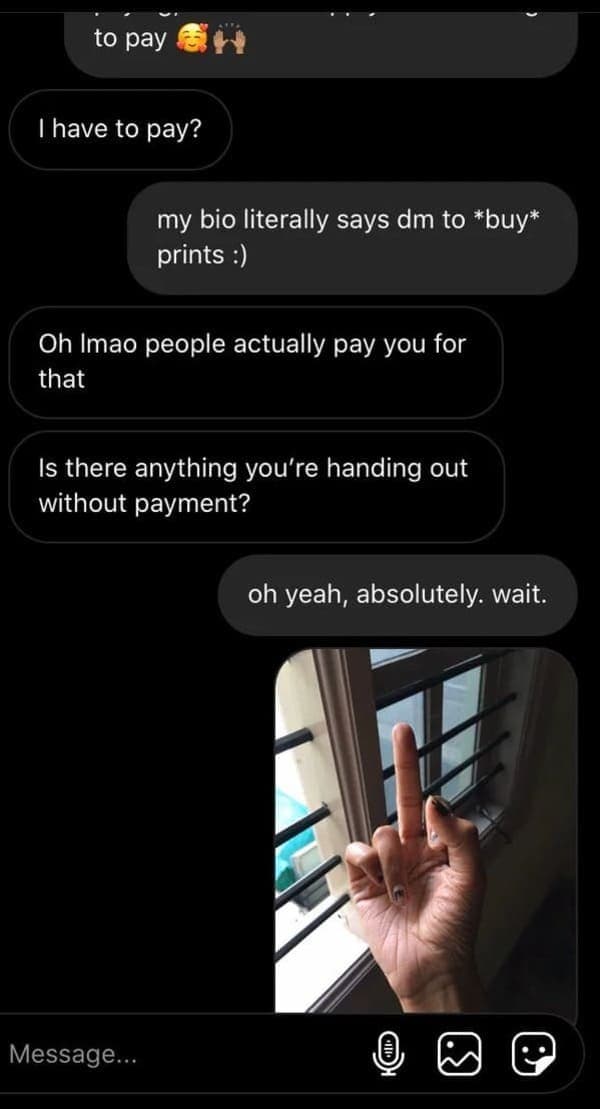
29. "How much do 'buy prints' actually cost?"
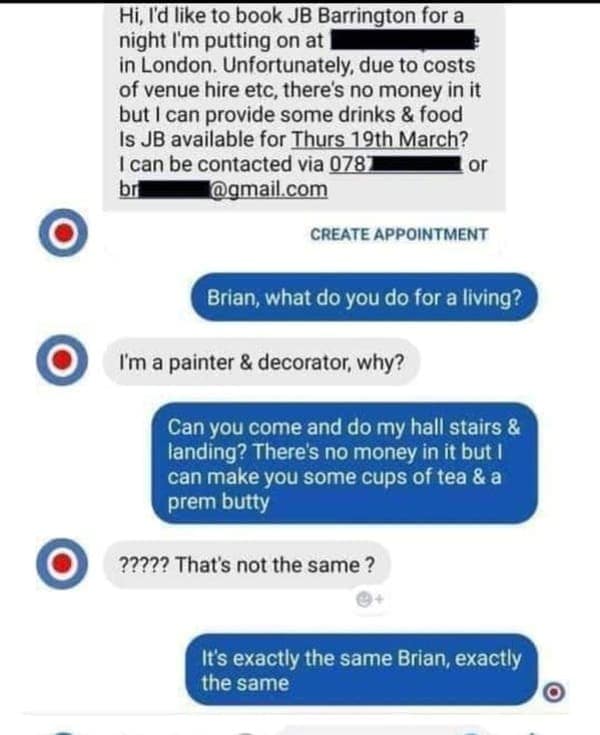
30. "It's exactly the same, Brian, exactly the same..."
Addressing Root Causes of Entitlement
Dr. Martin Seligman, a leader in positive psychology, emphasizes that entitlement can often stem from unfulfilled needs or expectations. His research suggests that addressing these root causes through positive reinforcement can guide individuals towards more constructive behaviors.
By focusing on strengths and accomplishments rather than what’s lacking, individuals can cultivate gratitude and reduce entitlement. Seligman encourages people to practice daily gratitude exercises to shift their focus to what they appreciate in their lives.
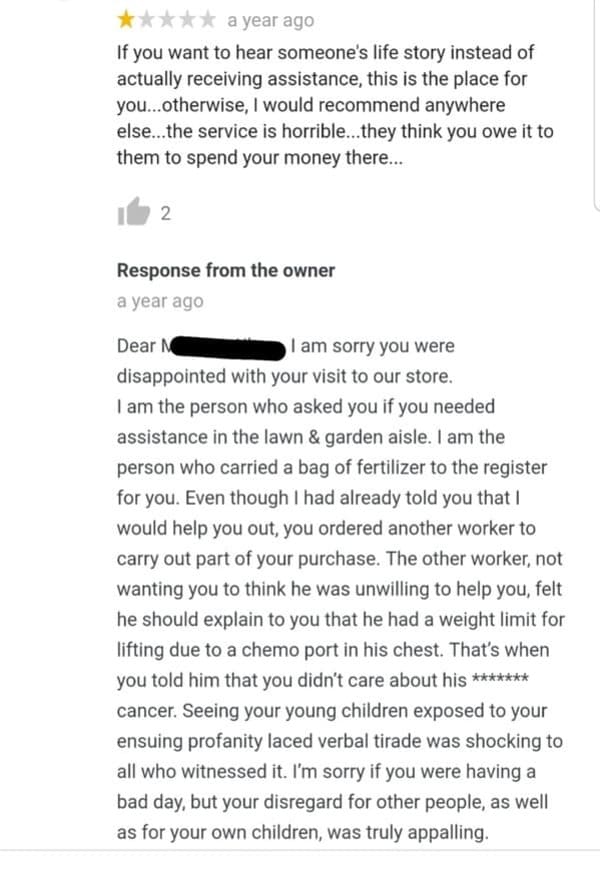
31. "This person complained about listening to 'someone's life story,' when it was actually an employee with cancer explaining why they couldn't carry heavy stuff:"
32. "Omg."

33. "Blanked out my address and sent a message telling me his. This guy is an idiot."
Dr. Atul Gawande, a prominent surgeon and author, suggests that entitlement often emerges from a lack of understanding of the effort involved in tasks. In his work, he emphasizes the importance of transparency in professional settings.
By educating individuals about the complexities and efforts required in various roles, we can foster a greater appreciation for the contributions of others, ultimately reducing feelings of entitlement and promoting collaboration.
34. "Sister, Can You Spare A Dime?"
35. "Blanked out my address and sent a message telling me his. This guy is an idiot."
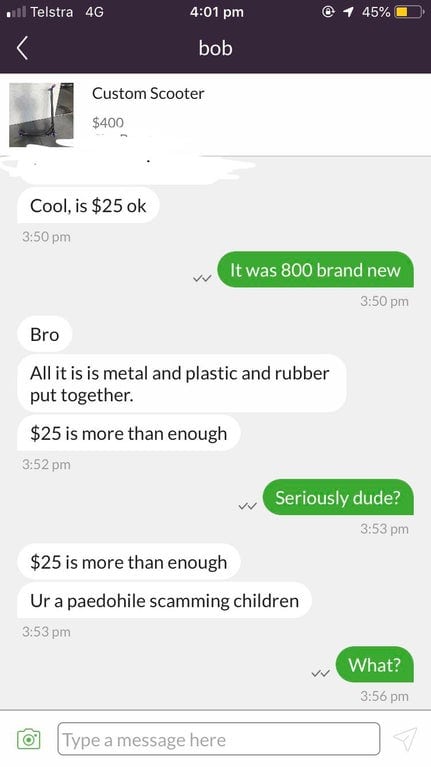
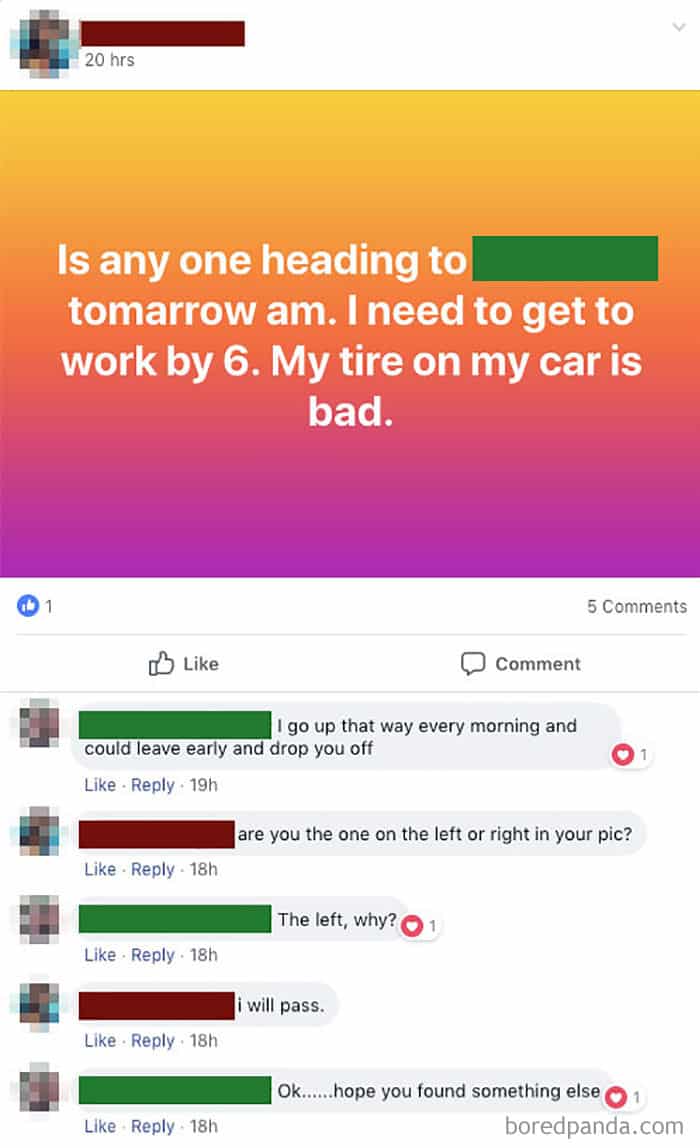
36. "No uggos. NEXT!"
Fostering Accountability
A business leader noted that fostering accountability is essential in reducing entitlement within teams. When individuals are held responsible for their actions and decisions, they are less likely to develop entitlement attitudes.
Implementing systems that encourage self-reflection and accountability can lead to improved team dynamics and a collective understanding of responsibilities, reducing the likelihood of entitlement behaviors in the workplace.
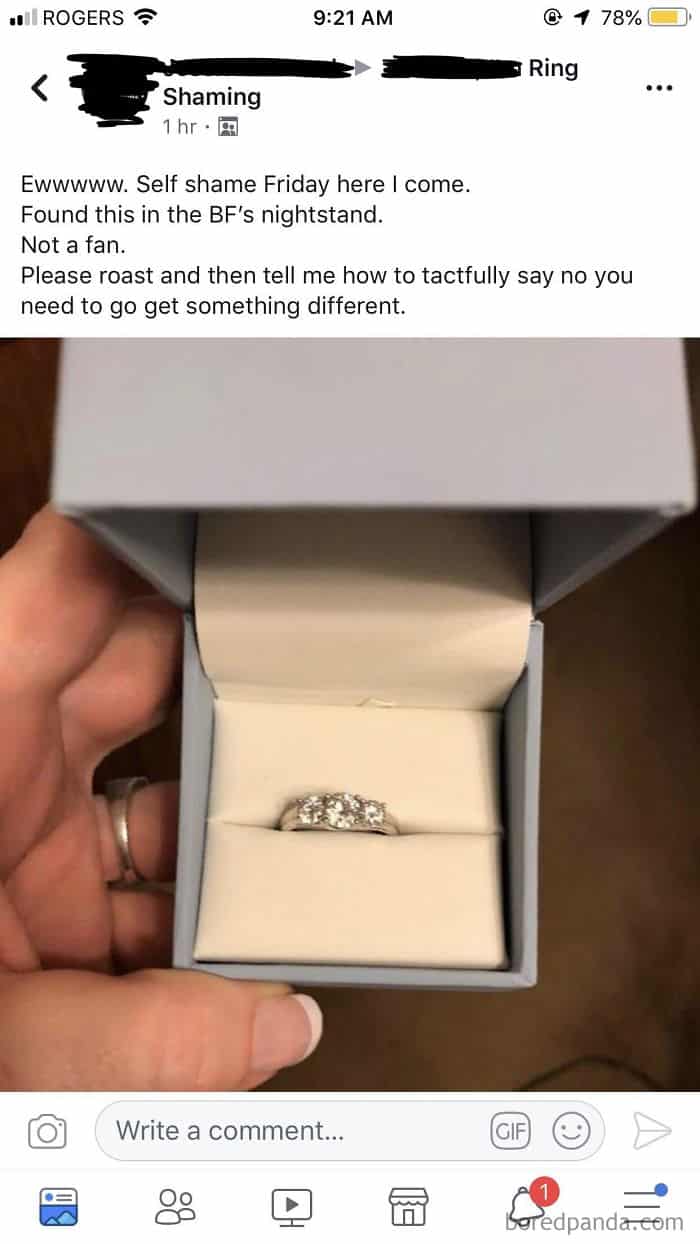
37. "She posted her future engagement ring in a ring-shaming group."
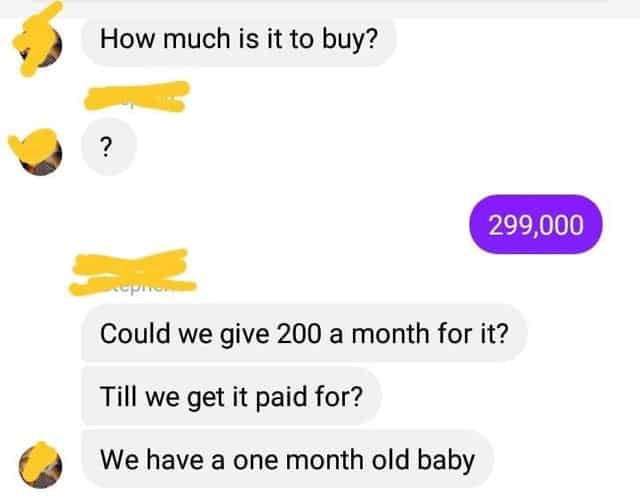
38. "They could have the house paid off in just 125 years."
39. "Woman Gets Trolled After She Gets Too Choosy."
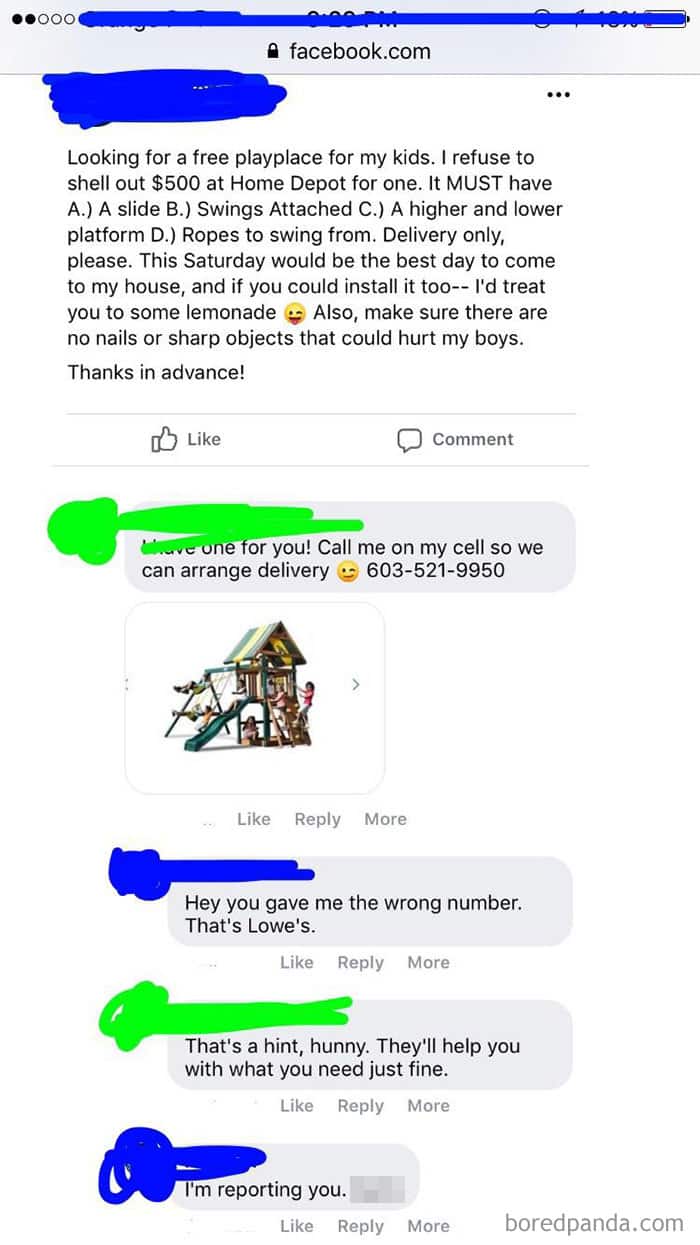
Dr. Daniel Pink, an author and behavioral science expert, emphasizes that autonomy, mastery, and purpose are key in mitigating entitlement. When individuals feel they have control over their work and can strive for excellence, they are less inclined to feel entitled.
Encouraging environments that promote these elements can lead to increased motivation and satisfaction, helping to diminish entitlement by focusing on personal growth and achievement.
40. "Still in shock, ngl."
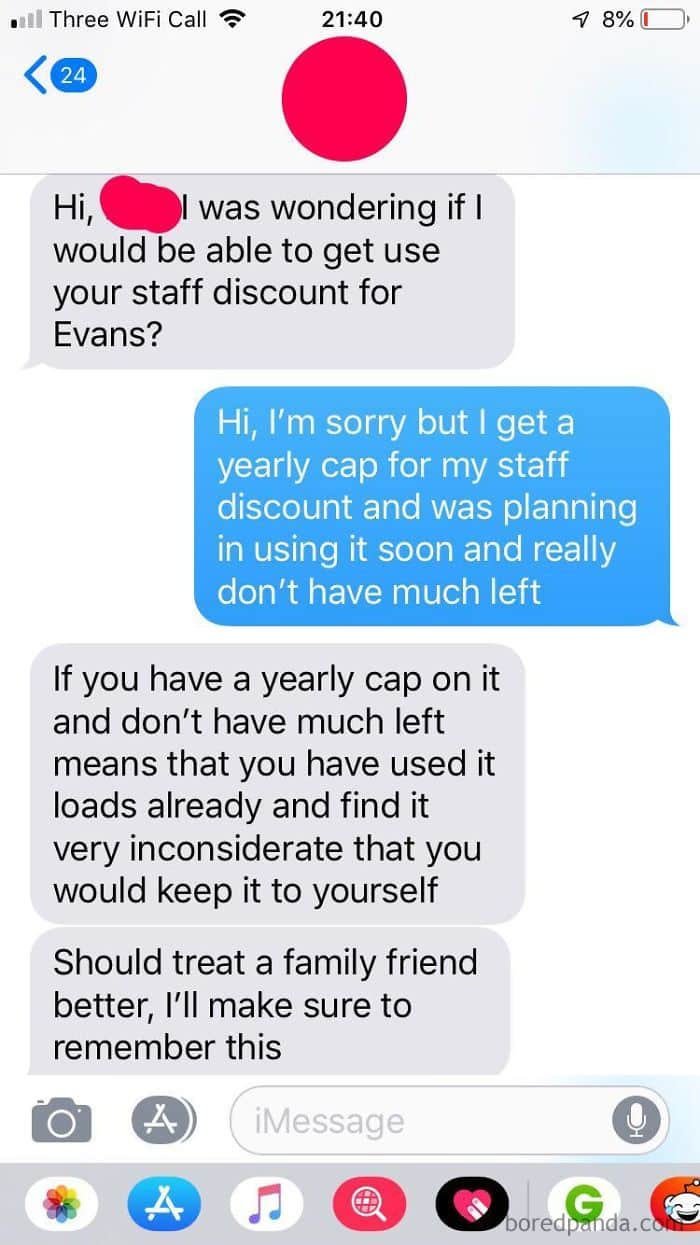
41. "A friend of mine just sent me this. Why is it that 'cash ready' means you should get an incredible deal?"
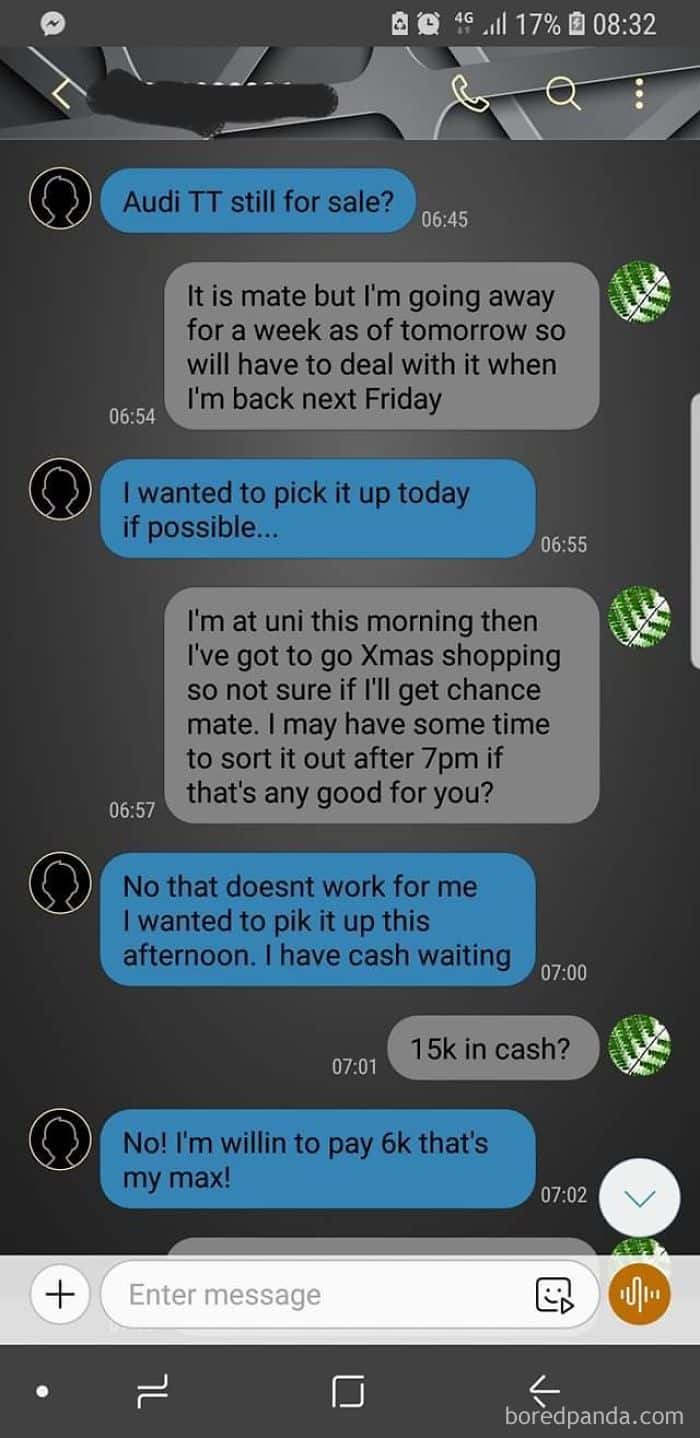
Dealing with Choosing Beggars Syndrome isn't simple. It involves understanding why people act this way and ensuring everyone treats each other respectfully while maintaining reasonable expectations. Both businesses and individuals can benefit by being clear about what is acceptable and setting limits to handle requests that seem entitled.
Ultimately, the rise of Choosing Beggars Syndrome should prompt us to reflect on how we interact online and offline. We should strive to be honest and considerate in our dealings with others. By being kind and keeping expectations realistic, we can better navigate today's social challenges and understand different points of view.
In summary, understanding the roots of entitlement and actively addressing these behaviors can lead to healthier interactions both online and offline. Experts from various fields emphasize the importance of empathy, accountability, and personal growth in reducing feelings of entitlement.
By fostering environments that encourage self-reflection and mutual respect, we can collectively combat the pervasive influence of 'Choosing Beggars Syndrome.' Through education, communication, and community involvement, individuals can cultivate more meaningful connections and a deeper appreciation for the efforts of others.