
A Sister's Emotional Encounter With Her Deceased Brother's Donated Face
Exploring a groundbreaking face transplant that brought a sister face-to-face with her late brother in a most unexpected way.

Davy
- Published on
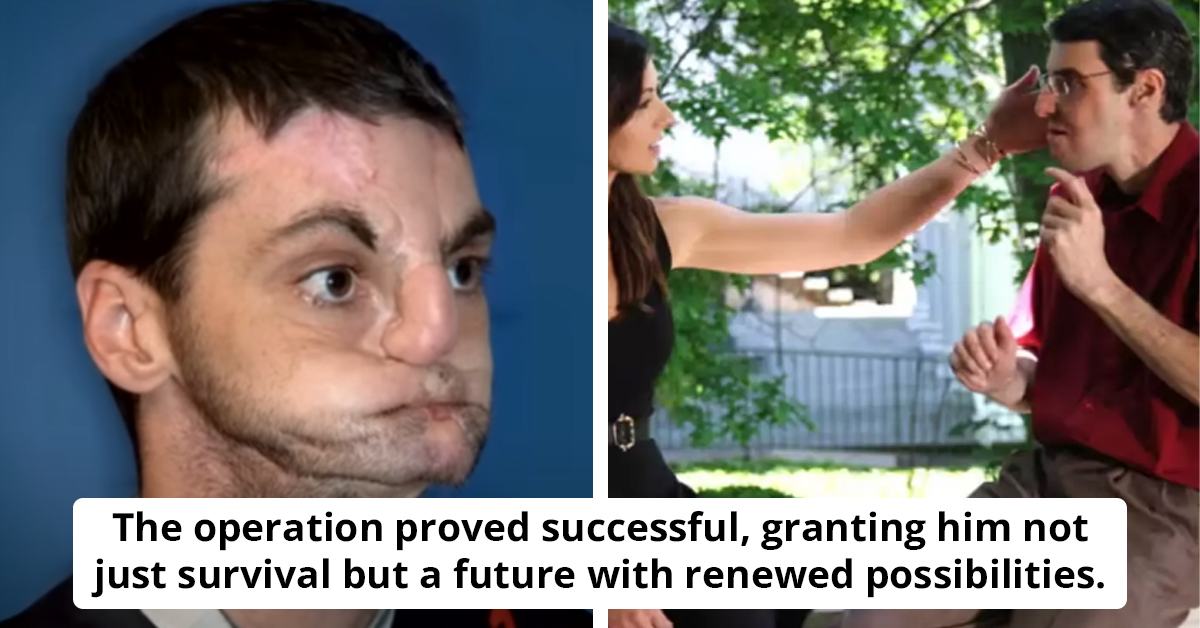
Rebekah Aversano experienced a profound moment when she saw and touched her deceased brother Joshua's face for the first time in three years; however, it was now the face of Richard Norris.
This encounter followed an extraordinary medical journey in which Norris, suffering from severe facial disfigurement due to a tragic accident, received Joshua’s face in a pioneering transplant operation. This story highlights themes of loss, hope, and medical marvels, evoking deep emotions and ethical considerations about identity and recovery.
Video Below
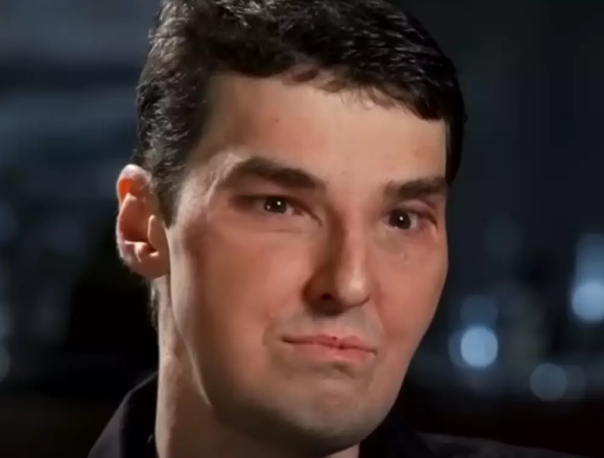
In 2012, a groundbreaking medical procedure took place that not only aimed to restore a man’s lost features but also brought a family face-to-face with their departed loved one in a remarkably visceral way.
This event centered around Richard Norris, who, at the age of 37, received the face of Joshua Aversano, a young man tragically killed in an accident. The full face transplant, led by Dr. Eduardo Rodriguez, involved intricate surgery to transplant teeth, jaw, and tongue muscles, marking a significant advancement in medical science.
Experts in transplantation ethics, such as Dr. David Jones from the University of California, stress the importance of informed consent and family involvement in organ donation decisions. He notes that open discussions about the implications of such transplants can alleviate potential emotional distress.
Dr. Jones advocates for a structured approach, recommending that families participate in pre-transplant counseling to prepare for the emotional complexities involved. This proactive strategy not only supports recipients but also helps families understand the transformative nature of such medical advancements.
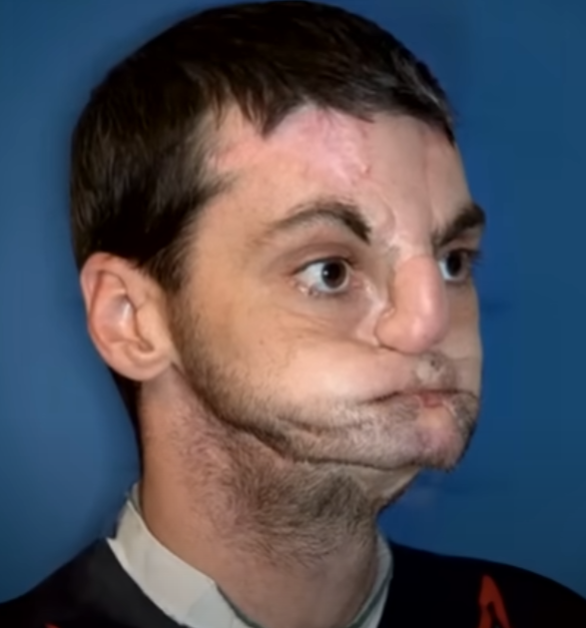
Norris had lived with a disfigured face for nearly 15 years following a devastating incident in which he accidentally shot himself during an argument. This accident left him without much of his lower face, leading to numerous unsuccessful surgeries that plunged him into deep depression.
The opportunity for the transplant arose when the Aversano family decided to donate their son Joshua’s face after his untimely death. This decision, born from a tragic circumstance, became a beacon of hope for Norris, providing him with a chance at a new lease on life.
Emotional Healing and Transplant Psychology
Dr. Anthony Youn, a board-certified plastic surgeon, emphasizes the psychological aspects surrounding facial transplants. He explains that emotional healing can significantly influence recovery outcomes.
In his practice, he often highlights how patients who engage in therapy before and after surgery experience better emotional adjustment. Dr. Youn states, 'The psychological connection to one’s face is profound; it affects identity and self-image.' Incorporating mental health support into transplant programs can enhance both physical and emotional recovery.
The surgery, which lasted over 36 hours, was fraught with risks, including a mere 50 percent survival chance for Norris. However, the operation proved successful, granting him not just survival but a future filled with renewed possibilities.
Three years after this life-altering procedure, Norris was adapting well, living with gratitude for the gift he received, though under the constant vigilance of anti-rejection medications and lifestyle adjustments to maintain his new features.
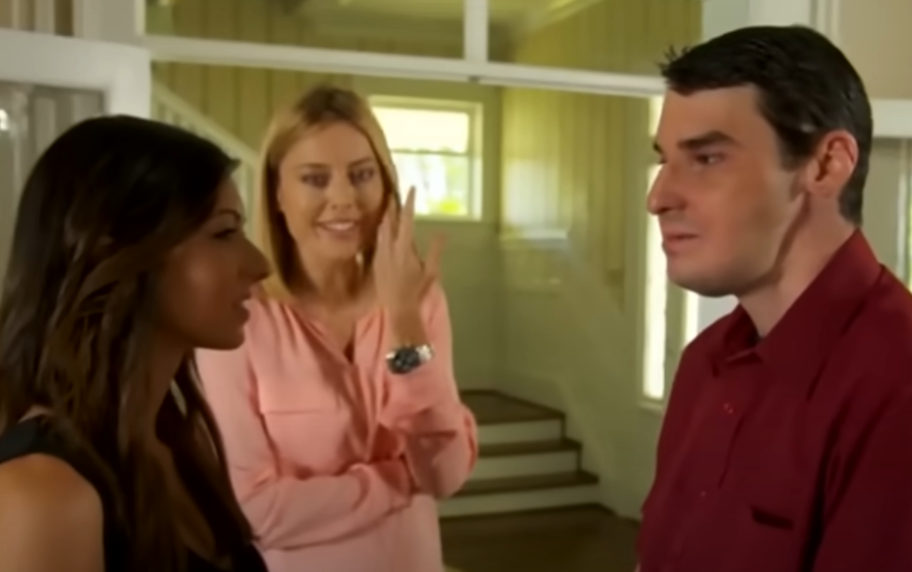
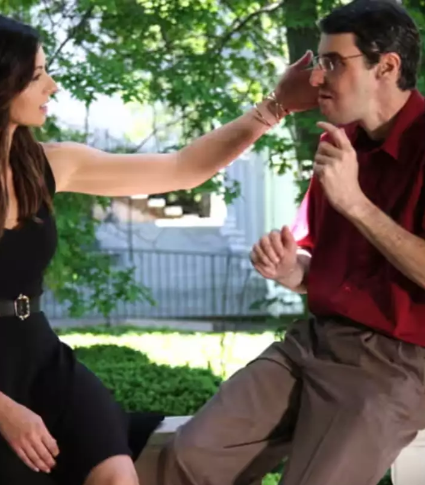
An emotional pinnacle of this journey was when Rebekah Aversano met Norris. She visited him at his home in Virginia, where she saw and touched her brother’s transplanted face on Norris for the first time since Joshua’s death.
This poignant moment was captured in an emotional exchange where Rebekah, after feeling her brother’s features, expressed her amazement and the surreal reality of seeing a part of her brother live on.
This transplant story not only underscores the profound impact of medical science on personal identities but also highlights the intricate web of human emotions tied to loss and recovery. It raises compelling questions about the ethics of organ donation, the identity implications of face transplants, and the psychological effects on both the donor’s family and the recipient.
Such stories not only push the boundaries of medical science but also challenge us to think deeply about life, identity, and renewal in the face of profound loss.

Clinical Perspective & Next Steps
The journey of Rebekah Aversano and Richard Norris serves as a poignant reminder of the interconnections between loss, identity, and healing. As Dr. Michael Klaper, a physician and advocate for holistic care, notes, 'Healing is not just about the physical body; it’s about addressing emotional wounds too.'
Integrating psychological support within transplant protocols can foster resilience and recovery, ensuring that both the donor's legacy and the recipient’s emotional health are honored effectively. This holistic approach can pave the way for future advancements in transplant medicine.