
FDA Finalizes Guidance on Heart Risks Linked to COVID-19 Vaccines
New Data Highlights Higher Risk for Young Men

Damjan Milenkovic
- Published on
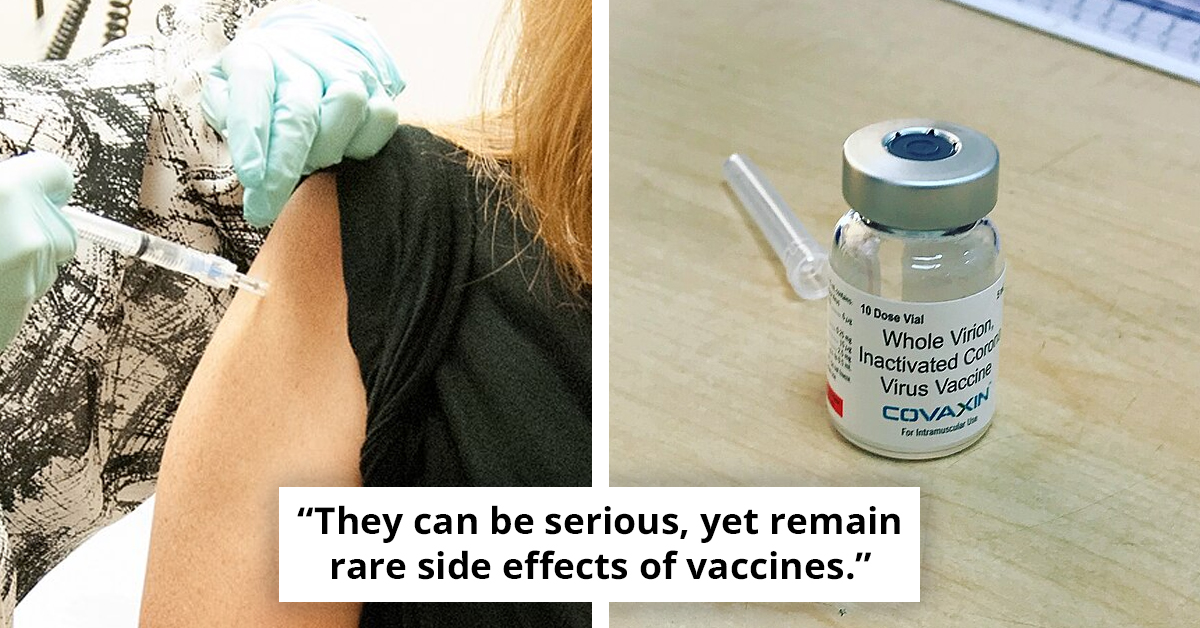
When it comes to staying healthy during the COVID-19 pandemic, vaccines have been one of the most important tools we’ve had. However, like any medical treatment, there can be risks.
Recently, the U.S. Food and Drug Administration (FDA) finalized new warnings about possible heart-related side effects from the COVID-19 vaccines made by Pfizer and Moderna. These warnings aren’t completely new, but they now include clearer information about the chances of developing myocarditis or pericarditis—conditions that cause inflammation in or around the heart, which could sometimes lead to long-term heart problems.
The updated warnings apply to the Comirnaty vaccine by Pfizer and the Spikevax vaccine by Moderna. Both companies have included some details about these risks since 2021, but the FDA decided that the labeling needed to be more specific, especially for younger men, who seem to be at greater risk.
The new labeling states that, based on data from health insurance claims, the estimated unadjusted rate of myocarditis or pericarditis within a week after receiving the 2023-2024 mRNA COVID-19 vaccines is about 8 cases per million doses for people aged 6 months to 64 years.
However, for males aged 12 to 24 years, the rate jumps to roughly 27 cases per million doses. This higher rate for young men has been one of the main reasons for the FDA’s push to update the vaccine labels.
The FDA found lingering heart issues in some post-vaccine myocarditis cases and will keep monitoring.
To provide a better understanding of what happens to patients who develop these heart issues, the FDA referenced a study tracking individuals diagnosed with myocarditis after their vaccinations. Most of the patients in the study had received two vaccine doses before they developed symptoms.
The study followed these patients for around five months after their shots. During this time, many of them still showed abnormal results on cardiac MRI scans, indicating signs of ongoing heart injury.
However, it’s not yet clear what these lingering findings mean for a person’s long-term health, and experts still don’t know if they could lead to future heart problems. Despite these concerns, the FDA emphasized that it will continue to monitor vaccine safety.
In a safety communication released on June 25, the agency stated,
“Continuous monitoring and assessment of the safety of all vaccines, including the mRNA COVID-19 vaccines, is an FDA priority, and we remain committed to informing the public when we learn new information about these vaccines.”

As part of the approval agreements for Comirnaty and Spikevax, the FDA is requiring both Pfizer and Moderna to conduct studies to determine if individuals who experienced myocarditis after vaccination face long-term heart effects. These studies are already underway, but it may take some time before results are available.
For those who haven’t heard of myocarditis, it’s a condition that causes inflammation of the heart muscle, which can lead to chest pain, shortness of breath, or irregular heartbeats. Pericarditis involves inflammation of the lining around the heart and can cause similar symptoms.
While these conditions can be serious, they are rare side effects associated with vaccines. That rarity has led most health experts to agree that the benefits of COVID-19 vaccination far outweigh the small risk of these complications.
Understanding Vaccine Risks
Dr. Michael Greger, a renowned nutritionist and author of 'How Not to Die,' emphasizes the importance of weighing the benefits of vaccinations against potential risks. He states that while the FDA's warnings about heart-related side effects are significant, the risk of severe illness from COVID-19 is much higher, particularly for young men.
Greger encourages individuals to consult healthcare professionals to discuss personal health histories and determine the best course of action regarding vaccination. This personalized approach can help mitigate risks while still benefiting from the protective effects of the vaccines.
Despite experts saying COVID-19 vaccines are safe, some argue any risk is too much for young, healthy people.
Still, these risks have fueled debates. Many major medical groups, such as the American College of Cardiology and the American Heart Association, have repeatedly stated that COVID-19 vaccines are safe and important for preventing severe illness.
They’ve maintained their recommendations for individuals to get vaccinated. However, some people believe that any risk, no matter how small, is too much, especially for young, otherwise healthy individuals who might be less likely to become severely ill from COVID-19.
These new warnings don’t change the fact that vaccines have saved millions of lives during the pandemic. However, they do ensure that everyone has a clearer picture of possible side effects so they can make informed choices.
As the FDA continues to collect and analyze data, it promises to keep the public updated. Ultimately, whether someone chooses to get vaccinated or not is a personal decision.
But knowing the facts, including both the benefits and the risks, can help individuals discuss with their doctors and decide what’s right for them. The updated warnings are another step in ensuring that everyone has the information they need.
Health experts like Dr. T. Colin Campbell, a leading nutritionist, highlight the need for comprehensive education on the risks associated with COVID-19 vaccines. Campbell notes that while adverse effects like myocarditis are concerning, the overall incidence remains low.
To improve understanding, he recommends public health campaigns that provide clear, science-based information, focusing on the relative risks of vaccination versus COVID-19 itself. Such transparency would empower individuals to make informed decisions while alleviating fears surrounding vaccine safety.
Clinical Perspective & Next Steps
In summary, as the FDA finalizes its guidance on heart risks linked to COVID-19 vaccines, it's crucial to consider the broader context of vaccination. Experts like Dr. Michael Greger and Dr. T. Colin Campbell underscore the importance of informed decision-making based on individual health profiles.
By fostering open communication between healthcare providers and patients, we can navigate these complexities effectively. Ultimately, understanding the balance between risks and benefits is vital in promoting public health and ensuring confidence in vaccination programs.