
Here Are Over 40 Procrastination Memes That Are So Hilarious You'd Skip Work For Them
The journey down this path is never an easy one.

Maryjane Uche
- Published on

Welcome to the procrastinator's paradise. It is a surreal location with the catchphrase "Why do today what you can put off until tomorrow?" and deadlines as flexible as contortionists.
That's right, procrastination—the skill of finding ten other things to do while avoiding the task at hand. You're in the right place if you're avoiding a significant task right now.
Instead of tackling that impending deadline, you can choose to check out these humorous memes and tweets about procrastination. These treasures encapsulate the essence of postponing the inevitable in the best way possible, from carefully considering your next snack to suddenly realizing that you need to rearrange your entire closet—right now.
We're presenting a selection of relatable procrastination memes today, so you'll probably read this post instead of completing your assigned task. These jokes pay homage to everyone who has ever looked at a to-do list and thought, "Now is the perfect time to chill or reorganize our cabinet."
Whether you're paralyzed by too many tasks or you have ADHD, take a moment to relax, unwind, and put your to-do list on hold. One meme at a time, let's chuckle our way out of the shame of not accomplishing what we should.
So keep scrolling to read through this hilarious compilation of memes that will help you now—or later—in your procrastinating journey.
1. That right there
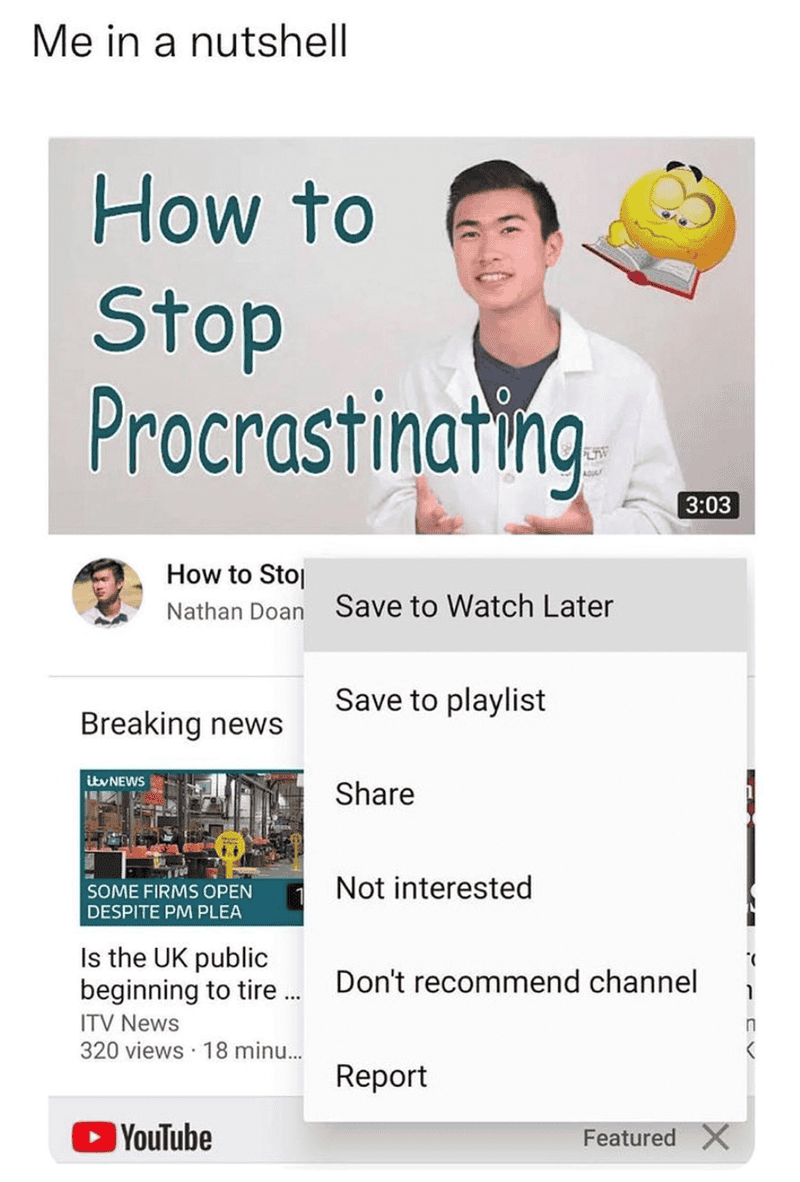
2. Here we go again

3. The body needs rest after all

Procrastination can often stem from a fear of failure or perfectionism, as noted by clinical psychologist Dr. Ramani Durvasula. She explains that this fear leads individuals to delay tasks because they worry about not meeting their own or others' expectations.
According to Dr. Durvasula, recognizing these fears is the first step toward combating procrastination. By reframing tasks into manageable steps and focusing on progress rather than perfection, individuals can reduce anxiety and boost productivity.
4. Can you just tell me why?
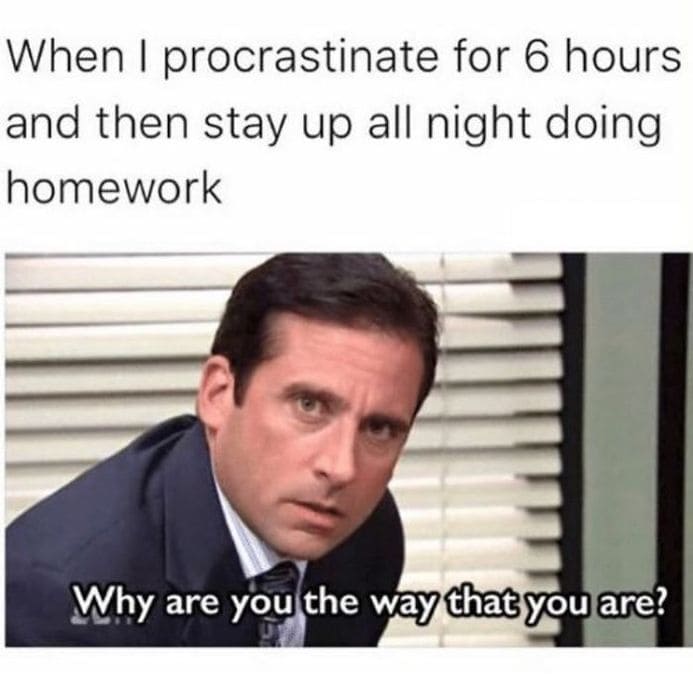
5. You can't avoid your responsibilities
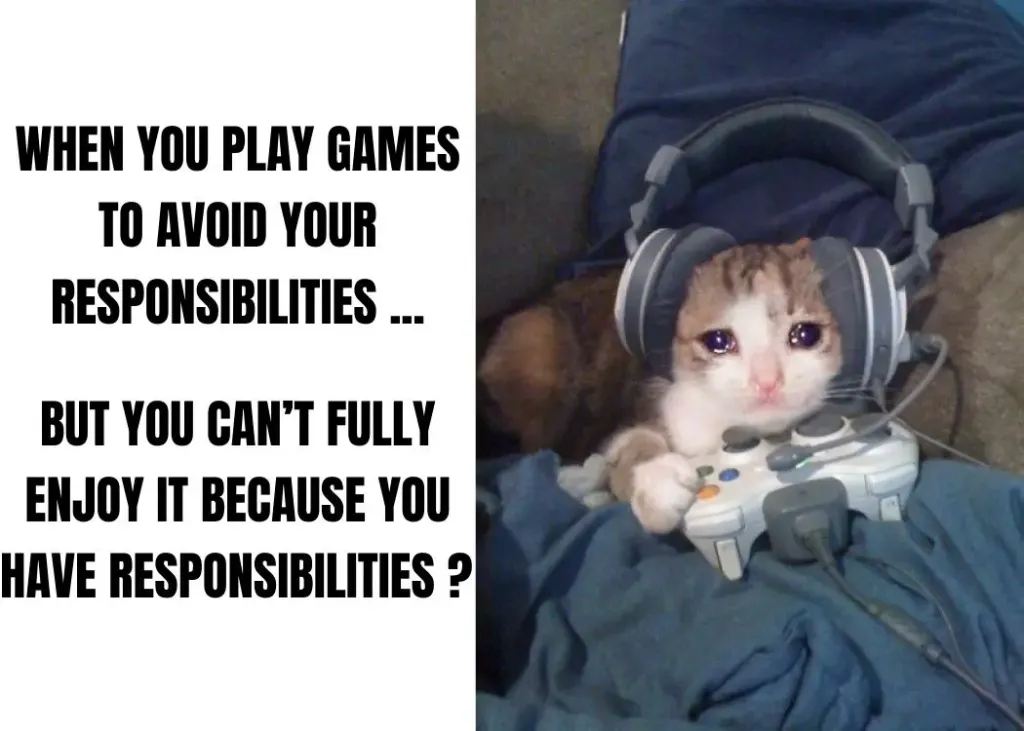
6. And that's how it keeps going

According to time-management expert David Allen, procrastination often arises from a lack of clarity regarding tasks. He emphasizes the importance of breaking down projects into actionable steps.
By identifying the next physical action required, individuals can alleviate feelings of overwhelm. Allen suggests maintaining a 'next actions' list, which helps prioritize tasks and keeps procrastination at bay.
7. Oh well

8. You just have to have all but do none
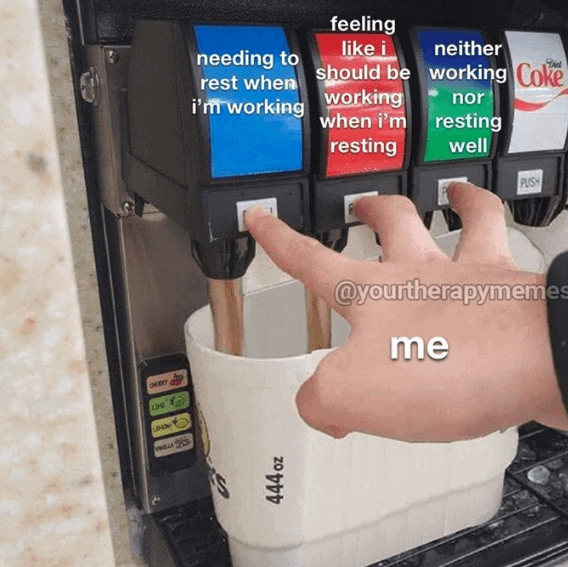
9. Being productive on the bed, I guess

The Psychological Basis of Procrastination
Research shows that procrastination is often linked to emotional regulation issues. Psychologists highlight that individuals may avoid tasks that trigger negative emotions, opting instead for immediate gratification.
Dr. Timothy Pychyl, a leading researcher on procrastination, suggests that acknowledging and managing these emotions can create a more constructive approach to tasks. By developing emotional awareness, one can improve focus and motivation, making it easier to tackle challenging projects.
10. Pair the pieces together

11. The king of procrastination

12. Don't worry, I'll figure it out

A productivity coach emphasizes the significance of setting realistic deadlines to combat procrastination. By establishing clear and achievable deadlines, individuals can create a sense of urgency that motivates action.
Moreover, utilizing techniques like the Pomodoro Technique, which encourages focused work sessions followed by short breaks, can enhance concentration and reduce procrastination tendencies.
13. Best of friends
14. The power of procrastination

15. And that's how it works

Understanding Your Procrastination Triggers
Therapists often encourage individuals to identify personal triggers for procrastination. This could involve reflecting on specific tasks or environments that lead to avoidance behavior.
For instance, Dr. Adam Grant, an organizational psychologist, suggests journaling about these triggers to gain clarity. By understanding the underlying reasons for procrastination, individuals can develop tailored strategies to address and overcome these challenges.
16. As simple as that

17. Just feel the air

18. That is such a powerful procrastination verse

Time management expert Cal Newport often discusses the importance of deep work in combating procrastination. He argues that distractions from technology and social media can significantly hinder focus.
Newport recommends setting specific times for technology use, creating an environment conducive to deep work, and prioritizing important tasks over less significant ones. This structured approach can help minimize procrastination.
19. Why?
20. Wiiiiiiiiiiii
21. Being adequately productive

The Role of Environment in Procrastination
Environmental factors play a crucial role in procrastination. A cluttered workspace can lead to distractions and feelings of overwhelm.
Marie Kondo, an organizing consultant, suggests that tidying up your environment can help create a more productive mindset. By decluttering, you can focus better on tasks, reducing the temptation to procrastinate. A clean space often translates to a clear mind, enhancing overall productivity.
22. So far as it is done
23. Just like you're doing now

24. Just do it

Procrastination isn't just a personal failing; it can often be exacerbated by societal pressures and expectations. Research by Psychology Today indicates that individuals in high-pressure environments may feel paralyzed by the fear of judgment.
To combat this, seeking support from peers or mentors can help ease anxiety and provide accountability. Collaborating with others on tasks can create a sense of community, making it easier to tackle projects without procrastination.
25. Always looking the wrong way

26. Where is the motivation?

27. So fast?

Experts emphasize the importance of self-compassion in overcoming procrastination. According to Dr. Kristin Neff, a leading researcher in self-compassion, treating oneself with kindness during moments of failure can lead to greater resilience.
When individuals approach procrastination with self-compassion rather than self-criticism, they are more likely to take action and make positive changes.
28. Everyone needs to nap anyway

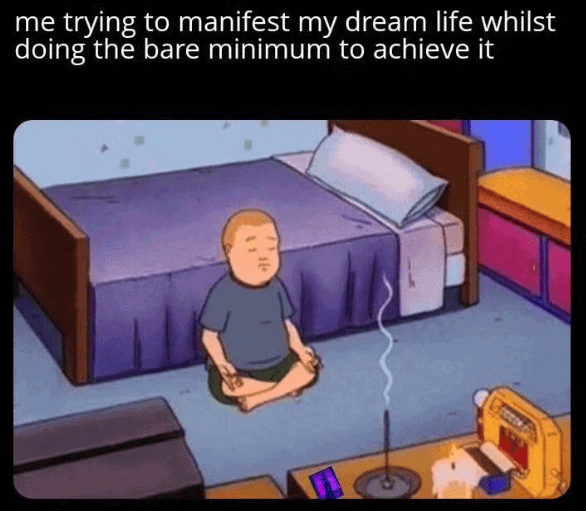
29. The bare minimum
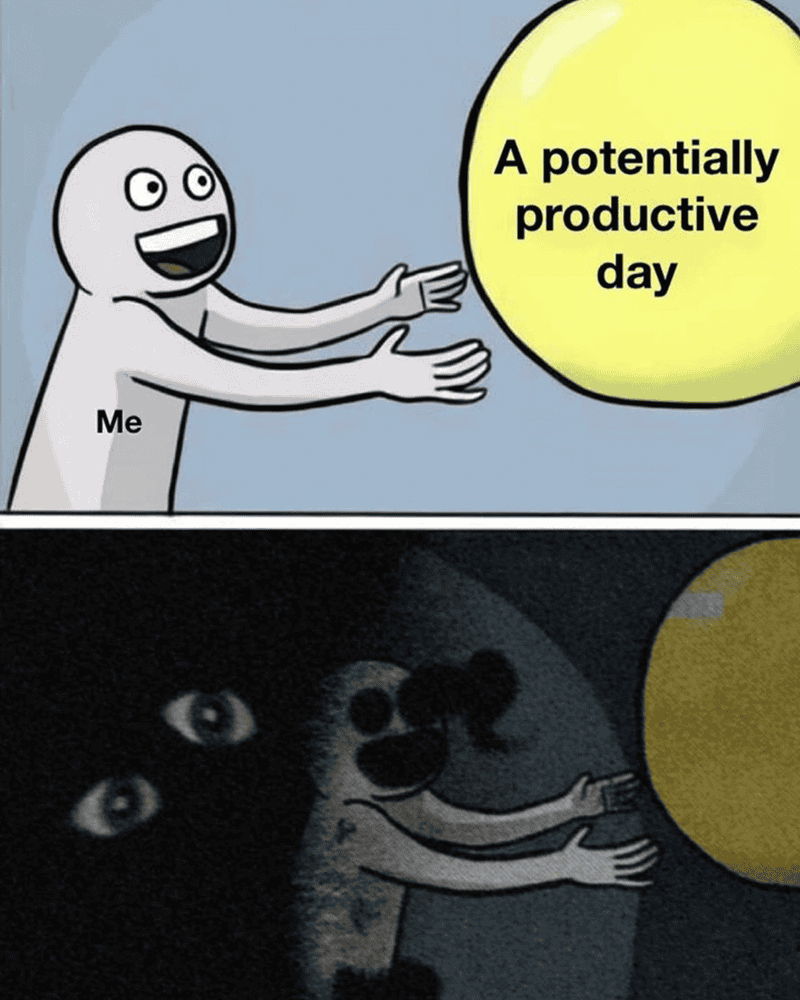
30. What it takes
Practical Steps to Overcome Procrastination
To effectively combat procrastination, experts recommend a combination of strategies. Setting small, achievable goals can help build momentum, while regular self-reflection allows individuals to assess their progress.
Moreover, implementing accountability measures, such as sharing goals with a friend or using productivity apps, can provide external motivation and support. These practical steps create a comprehensive approach to overcoming procrastination.
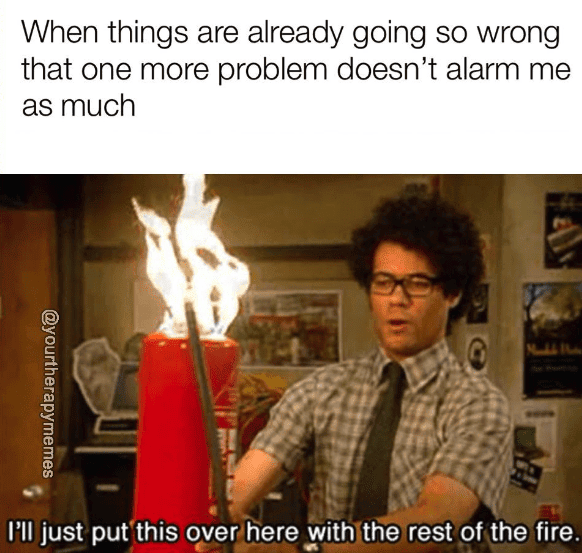
31. Right there
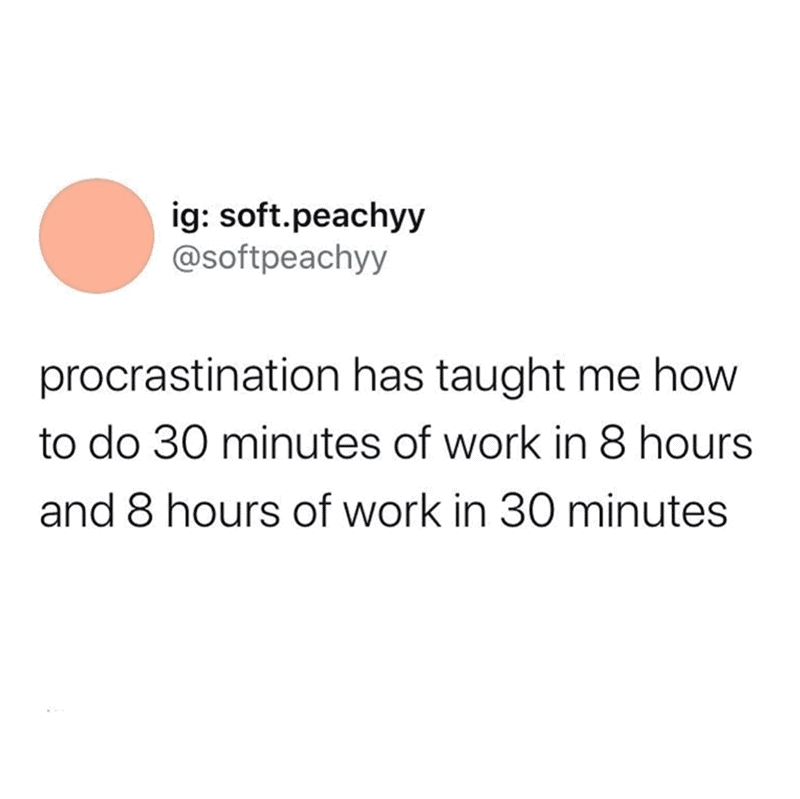
32. A lesson learned
33. Be right there

Research suggests that mindfulness can significantly reduce procrastination. According to experts, being present in the moment helps individuals manage anxiety and fear associated with daunting tasks.
Practicing mindfulness techniques, such as meditation or deep breathing exercises, can enhance focus and clarity, making it easier to tackle projects that might otherwise be postponed.
34. Chilling at it

35. Here you go

36. Later things
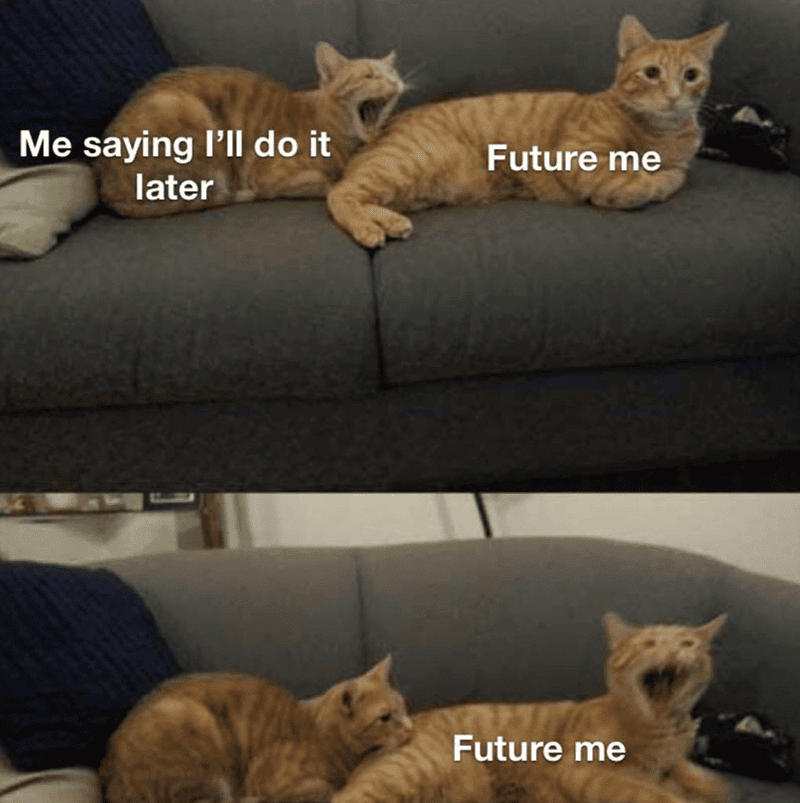
The Impact of Goal Setting
Goal setting is a powerful tool in combating procrastination. Dr. Edwin Locke, a pioneer in goal-setting theory, found that specific, challenging goals lead to higher performance.
By articulating clear and measurable objectives, individuals can create a roadmap for success, reducing the likelihood of procrastination. Regularly revisiting and adjusting these goals can also help maintain motivation and focus.
37. That's how you blend to sleep
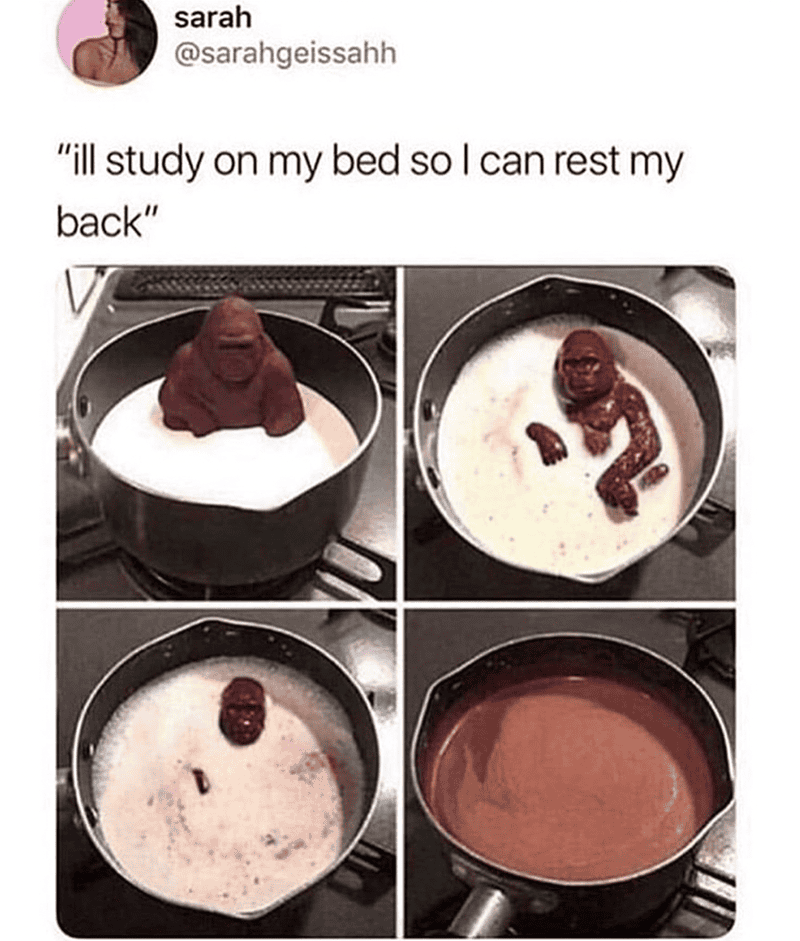
38. We'll get there

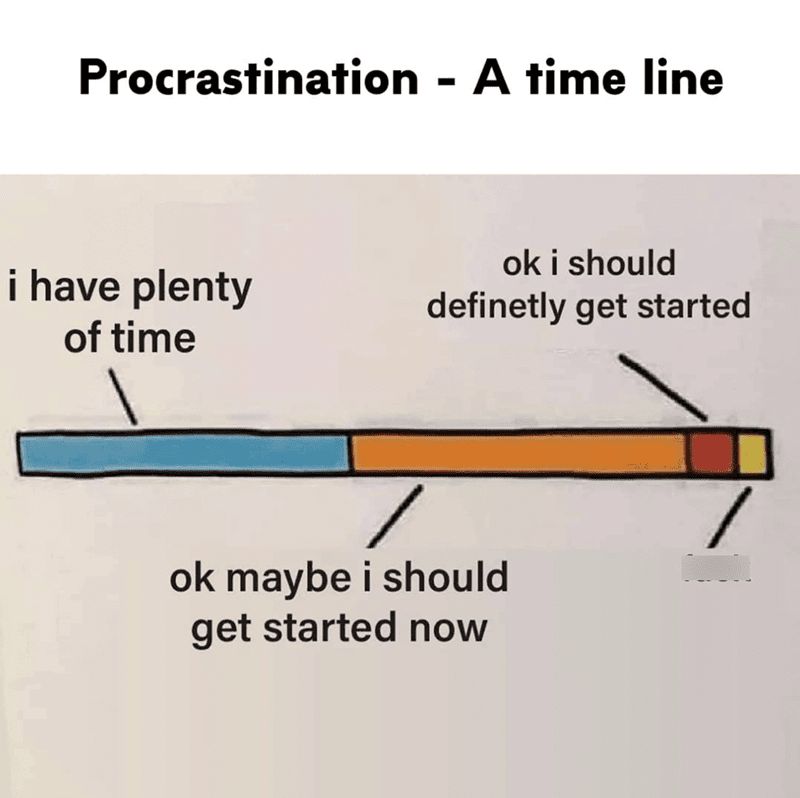
39. Waiting till the end
Understanding the neuroscience behind procrastination can be enlightening. According to Dr. Daniel Levitin, a cognitive neuroscientist, procrastination often arises from a clash between the emotional and rational brain.
By recognizing this internal struggle, individuals can develop strategies, such as cognitive restructuring, to address procrastination. This involves reframing negative thoughts and beliefs related to tasks, promoting a more positive mindset.
40. Sure, kid
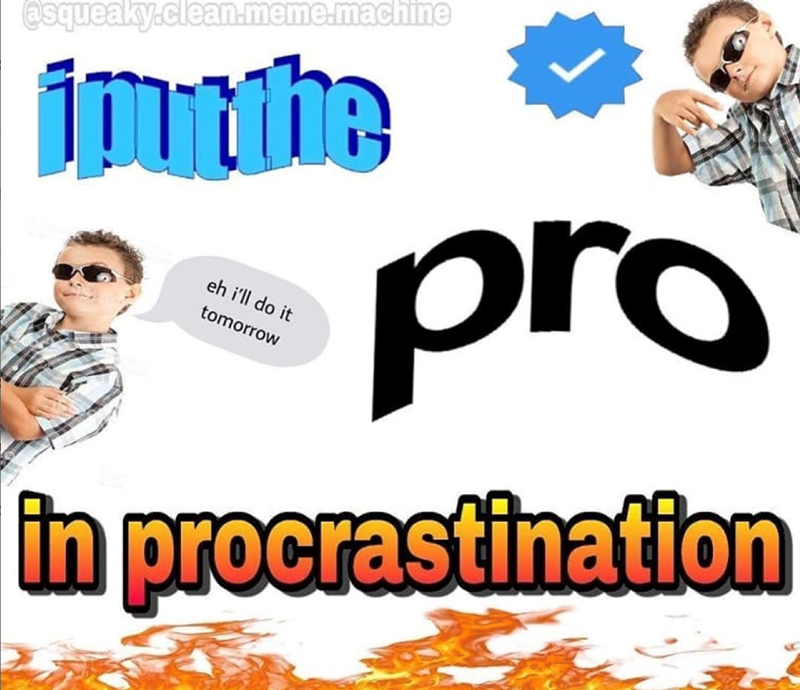
41. You get it now

42. Why always you?

Incorporating breaks into work sessions is vital for maintaining productivity and combating procrastination. Research indicates that taking regular breaks can enhance focus and creativity.
Experts recommend the 52-17 rule, which suggests working for 52 minutes followed by a 17-minute break. This structured approach helps prevent burnout and keeps motivation levels high, making it easier to tackle even the most daunting tasks.
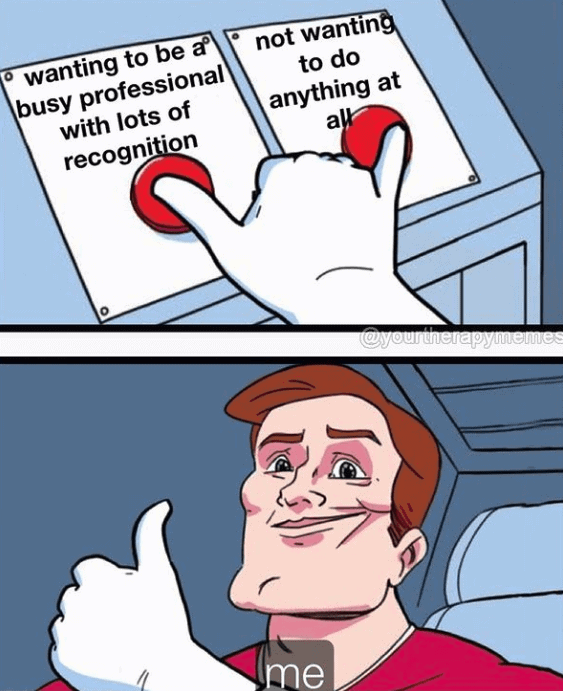
43. Can I get both?
This procrastination meme makes fun of the habit of continuously putting off tasks that need to be completed, and everybody knows what procrastination is. People occasionally come up with justifications for not getting something done, so everyone has experienced procrastination at some point.
However, there are those who procrastinate far more than others. Everyone is aware of someone who will stop at nothing to avoid doing what they're supposed to do, and hopefully, you're not one of them—or are you?
Solutions & Coping Strategies
In conclusion, overcoming procrastination requires a multifaceted approach that combines self-awareness, practical strategies, and emotional regulation. By understanding the psychological and environmental factors that contribute to procrastination, individuals can develop personalized plans to combat it effectively.
Utilizing expert insights—from productivity techniques to mindfulness practices—can significantly enhance one's ability to take action and achieve goals. Ultimately, embracing self-compassion and accountability can transform procrastination into productivity, paving the way for success.