
Giant Cats: A Surreal Photo Adventure
Step into a world where cats reign supreme! Explore the surreal creations of an artist who photoshops giant felines into everyday scenes.

Davy
- Published on
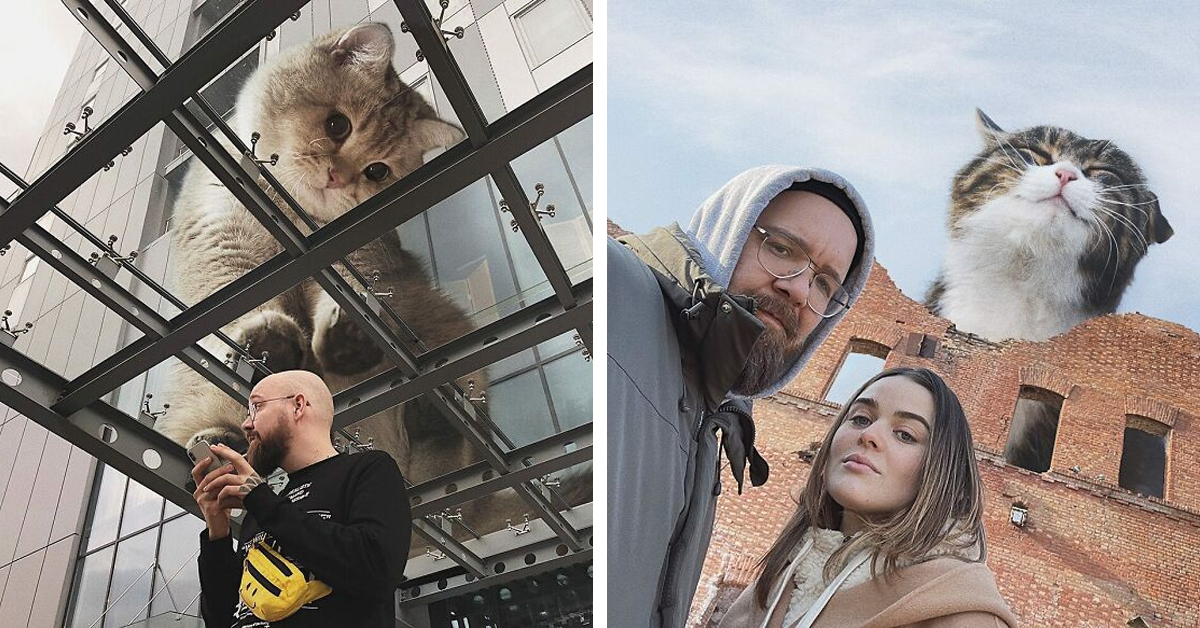
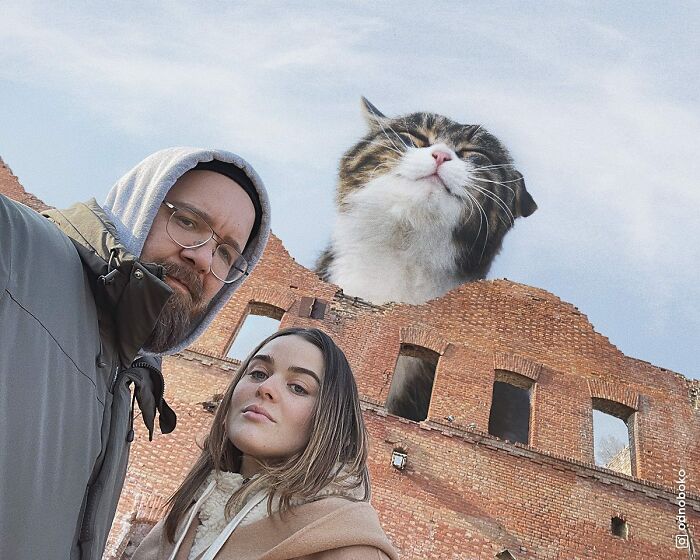
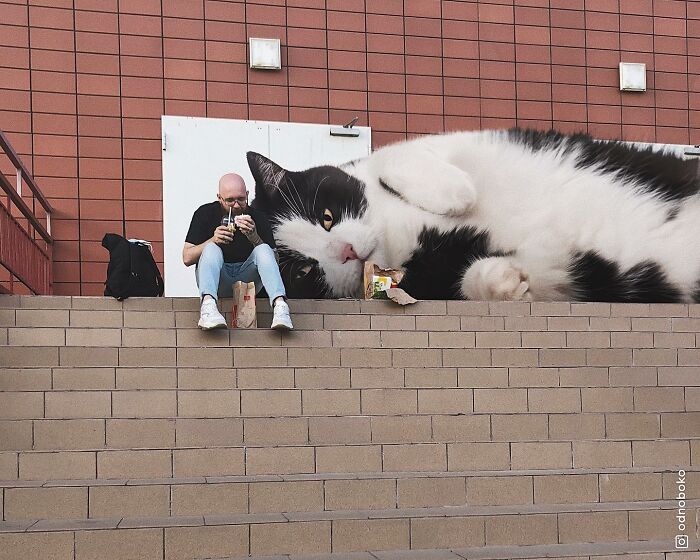
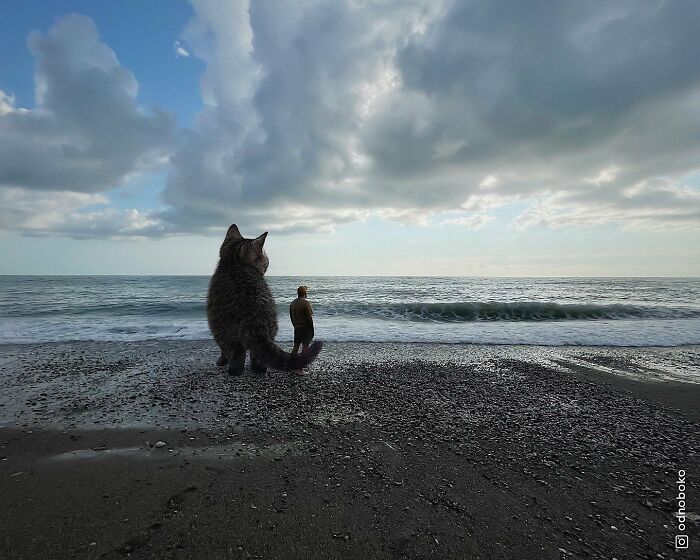
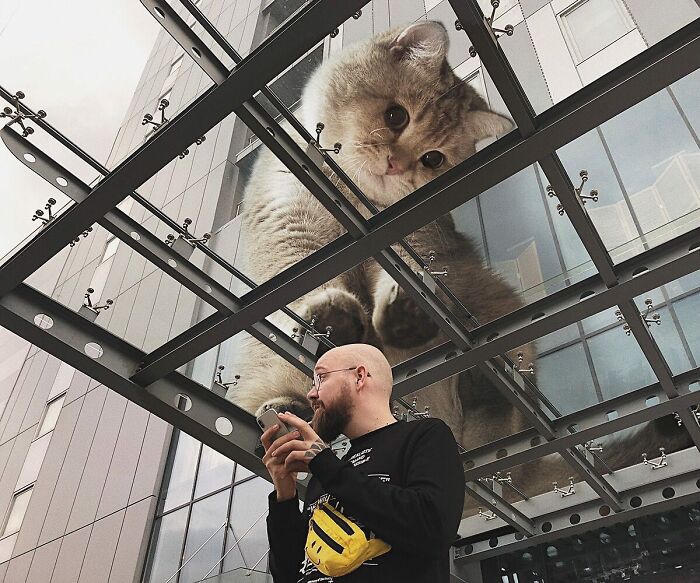
Back in the day, artist Andrey Scherbak dropped a bombshell on us with his oversized cats popping up in photos. And guess what? He's still at it! We're excited to show you his latest work.
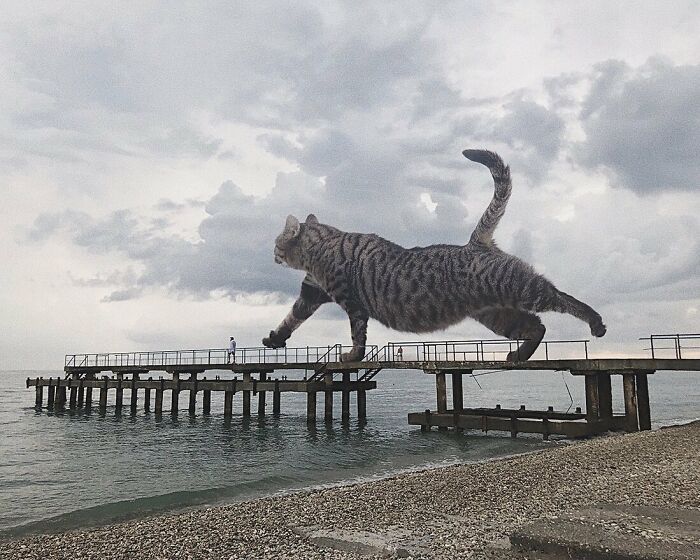
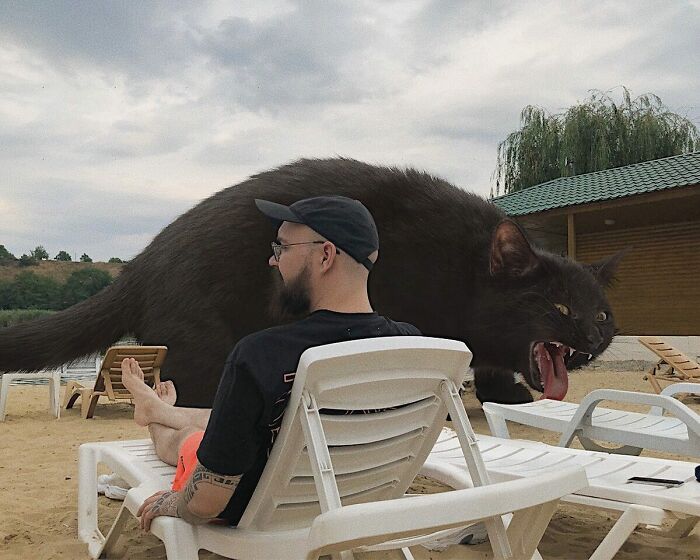
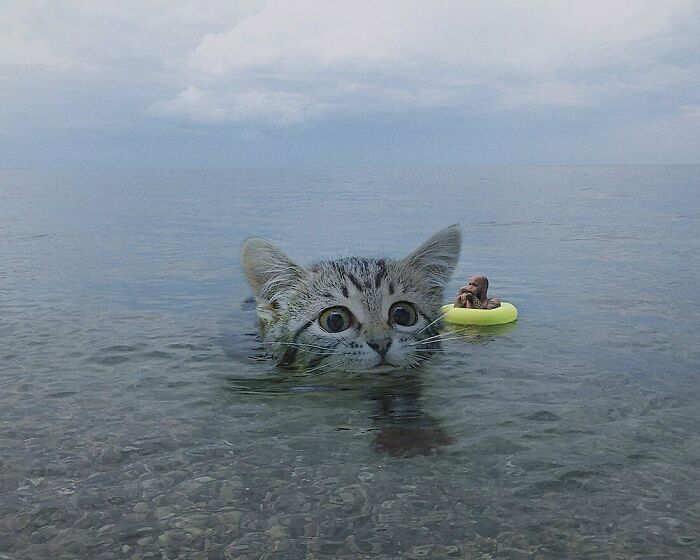
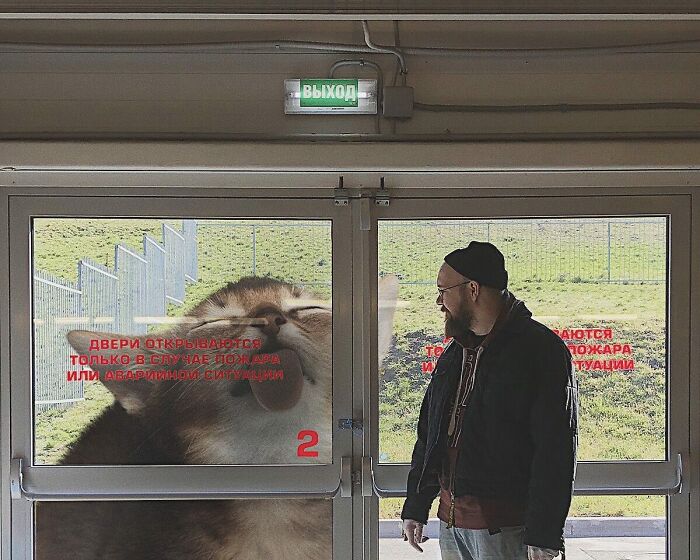
Andrey has a knack for Photoshopping massive cats into his pictures. They're snoozing on buildings, chilling with him and his wife, or just being classic cats – you know, photobombing and all. The end result? Well, let's just say it's a mix of hilarious and mind-boggling.
Seriously, have you ever wondered what life would be like if cats ruled the world and were giants? Dive into Andrey's world, and you might just find out! More on Andrey Scherbak's Instagram (odnoboko).
1.
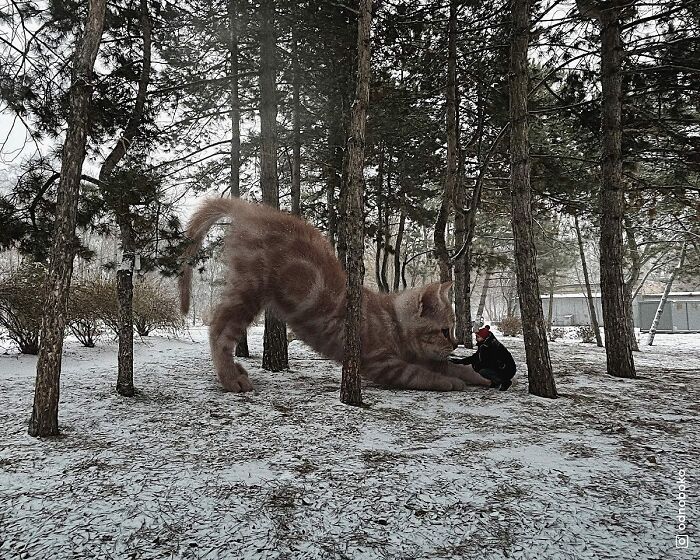
2.
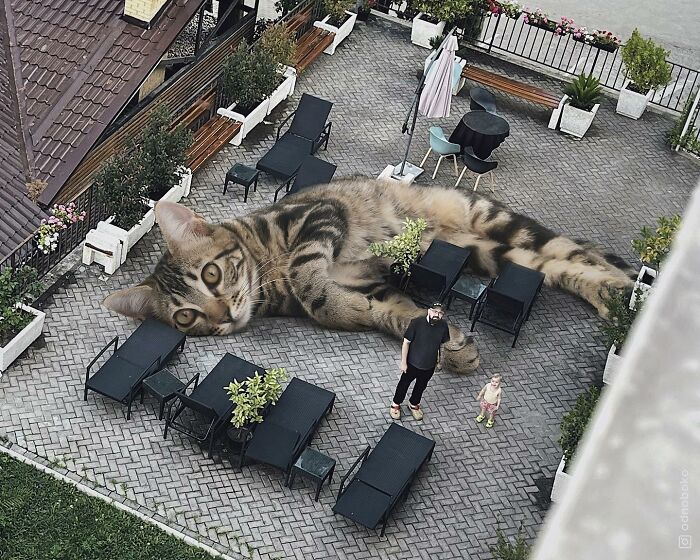
3.
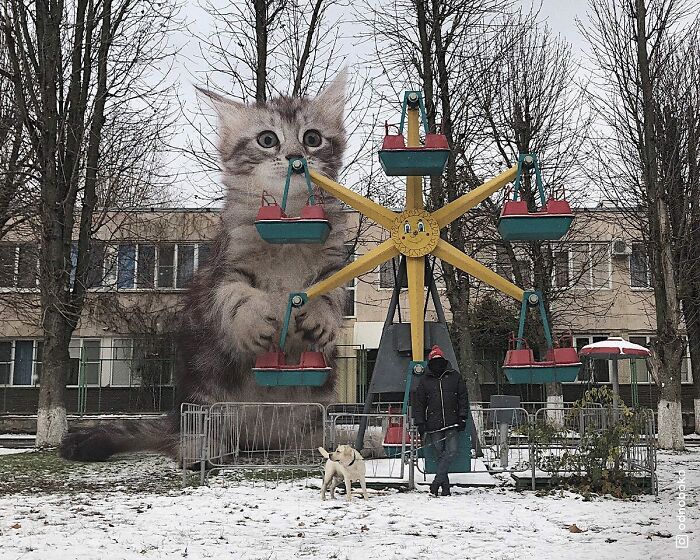
The Artistic Influence of Cats
Artistic representations of animals can significantly influence public perception of wildlife. According to Dr. Marc Bekoff, a cognitive ethologist, art can evoke empathy, making people more aware of animal welfare issues. Scherbak's giant cats challenge our perceptions, pushing boundaries of reality and imagination.
This surreal approach can encourage viewers to think critically about how they view domestic animals versus wildlife. The blending of humor and artistry can serve as a bridge to foster deeper connections with animal advocacy.
Public engagement through art can lead to increased support for animal welfare initiatives. Experts in advocacy suggest that artists can host community events or workshops that revolve around themes in their work, such as pet care or the importance of spaying and neutering.
This not only raises awareness but also fosters a sense of responsibility among community members. By creating interactive experiences, artists can inspire actionable change, encouraging audiences to contribute positively to animal welfare efforts.
4.
5.
6.
Social media platforms have transformed how art reaches audiences, allowing artists like Andrey Scherbak to gain global recognition. A digital marketing expert notes that this accessibility means that unique content can go viral, creating conversations around art and animal rights.
Artists are encouraged to engage with their audience through live sessions or behind-the-scenes content. This interaction fosters community and increases the impact of their message. By utilizing platforms like Instagram, artists can also gain insights into what resonates with viewers, thereby refining their craft.
7.
8.
9.
Psychological Insights into Animal Imagery
Research shows that people respond positively to images of animals, often experiencing mood boosts and increased feelings of joy. Dr. Brené Brown, a well-known researcher on vulnerability and connection, explains that these emotional responses can foster a sense of community and belonging.
When artists like Scherbak portray oversized cats in relatable situations, it taps into these emotional triggers, allowing viewers to find comfort and joy in their work. This is a powerful tool for social change, as art can inspire empathy and compassion for animals.
10.
11.
12.
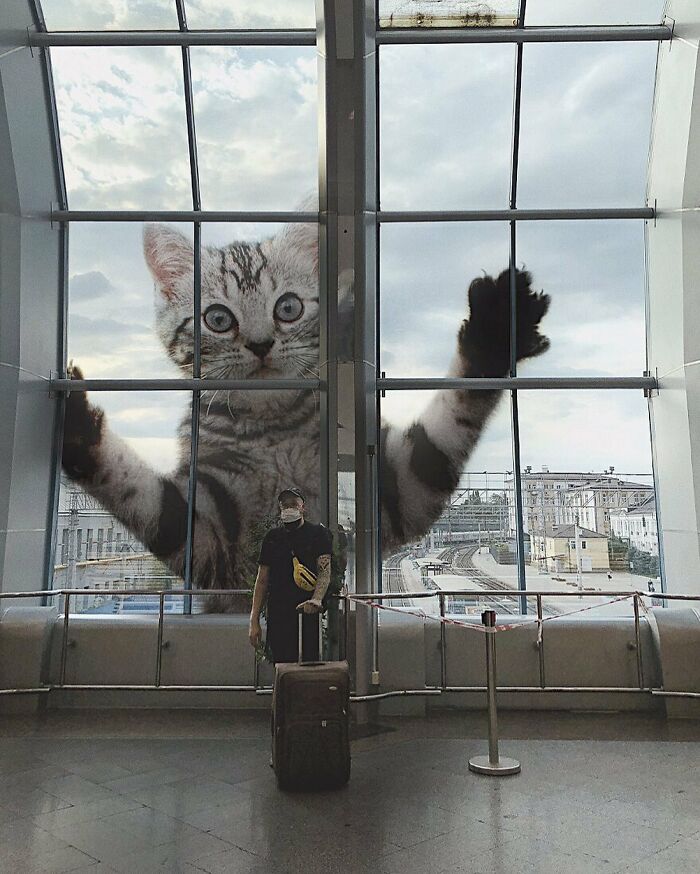
Artists can enhance their work through practical techniques aimed at reaching broader audiences. Experts in digital media suggest creating themed series or collaborations with animal welfare organizations. This not only amplifies an artist's message but also supports a cause.
Additionally, leveraging SEO strategies can help artists like Scherbak reach more people through search engines. By tagging relevant terms, artists can make their work discoverable to those interested in both art and animal advocacy, maximizing their impact and outreach.
13.
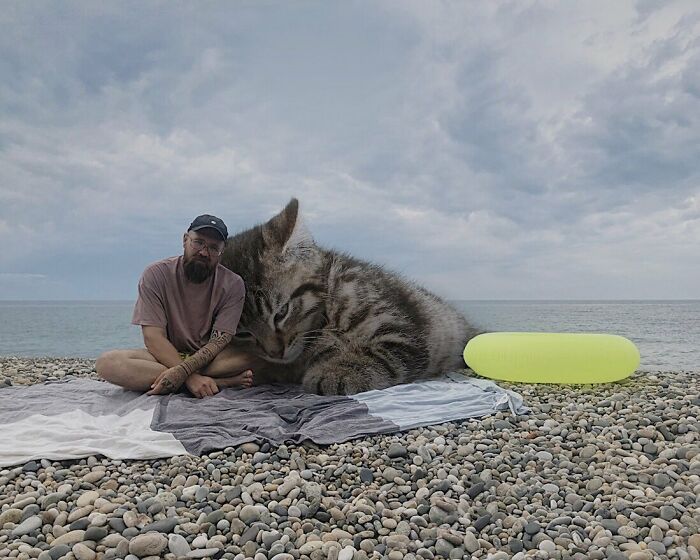
14.
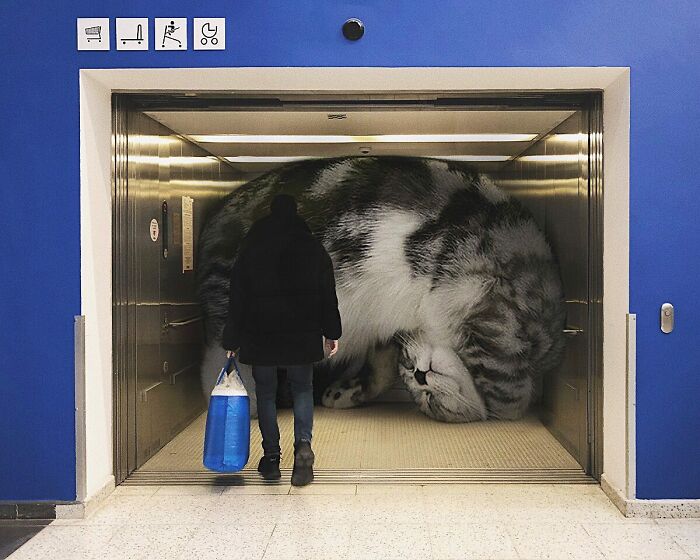
15.
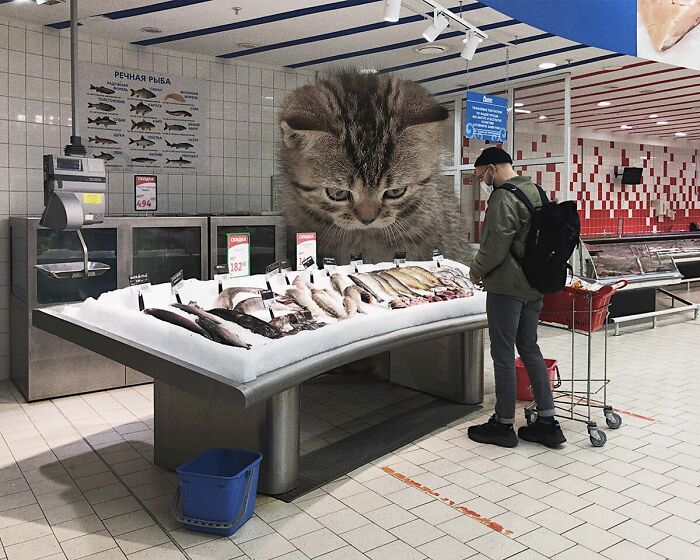
The Role of Humor in Art
Humor is a powerful tool in art, especially when addressing serious subjects like animal welfare. Dr. Patricia McConnell, an animal behaviorist, emphasizes how humor can ease the discomfort of discussing difficult topics. By incorporating giant cats into everyday settings, Scherbak invites viewers to laugh while considering the larger implications of pet ownership.
This lighthearted approach can be a gentle introduction to more serious discussions about animal rights, making the subject more approachable for diverse audiences.
Psychological Framework & Solutions
Art has a unique power to influence societal views on wildlife and domestic animals alike. As Dr. Marc Bekoff points out, the emotional connections fostered through artistic representations can lead to advocacy and change. Scherbak's oversized cats not only entertain but also spark meaningful conversations about pet ownership and animal rights.
By using humor and surrealism, artists can engage audiences in ways that traditional advocacy might not. Ultimately, art serves as a bridge, connecting people with important issues while entertaining and inspiring them.