
Redditor Gives Her Mother An Ultimatum For Making Hurtful Comments To Her Son About His Weight
The OP told her that if she ever spoke to her son like that again, she would need to find somewhere else to live.

Damjan Milenkovic
- Published on
If you're a parent, you will agree that your most important job is to protect your child at all costs. And if that means going up against other family members, then so be it.
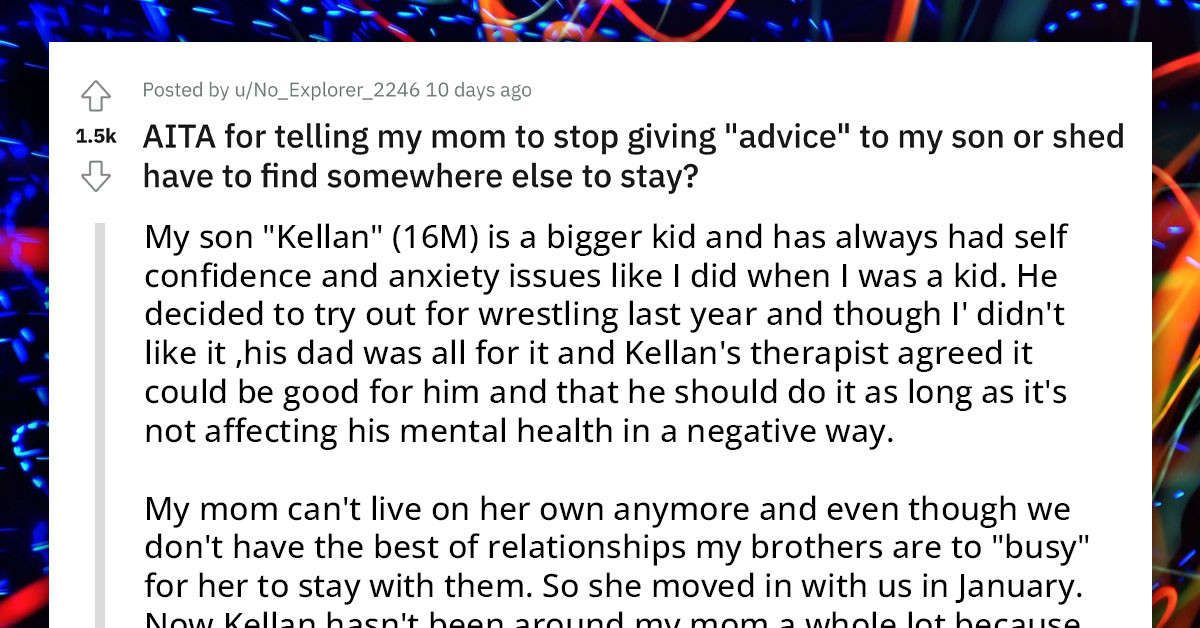
In Reddit user u/No_Explorer_2246's case, it's her mother who is the problem. She explained that her son, "Kellan," is a "bigger kid" and has always had low self-esteem.
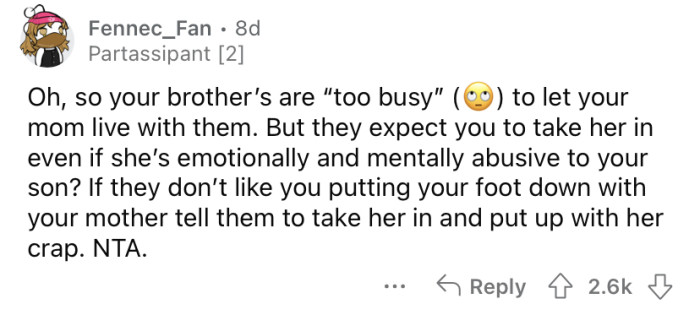
The OP's mother is unable to live by herself, so she moved in with the OP and her family in January. The Redditor's brothers claim to be "too busy" for her to stay with them.
The OP explained that Kellan hasn't been around her mother much because her own relationship with her mom has been rocky. She says her mother treated her badly when she was growing up, always critiquing her body and making cruel comments, which eventually led to the OP developing an eating disorder.
At first, Kellan was happy to have his grandma around, and they seemed to be getting along well. But recently, the OP has noticed that Kellan seems to have withdrawn from her.
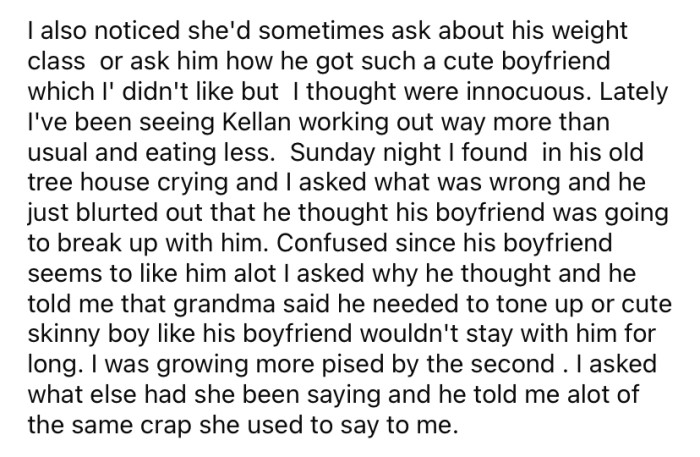
The OP started to notice that her mother was making some remarks here and there about Kellan's weight, but she thought they were innocent enough. That is until she found Kellan crying in his old tree house, saying he was worried that his boyfriend was going to dump him.
When the OP asked him why he thought that, Kellan said his grandma had told him he needed to "tone up" or his boyfriend wouldn't stay with him for long. The Redditor asked Kellan what else her mother had been saying, and he mentioned a lot of the same comments she used to say to the OP.
Naturally, the OP confronted her mother about her harmful words. Her mom became very defensive, saying she was "giving him good advice."
But the OP told her that if she ever spoke to Kellan like that again, she would need to find somewhere else to live. Keep scrolling to see how people reacted.
The OP shared a story about her mother giving unsolicited and hurtful "advice" to her son.
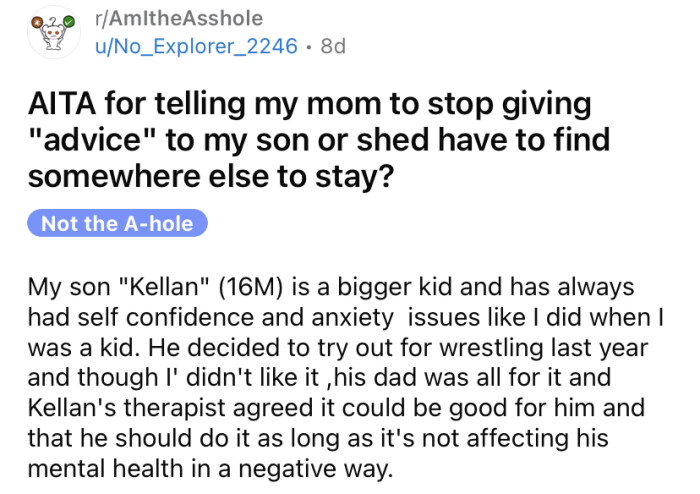
She explained that her mother lives with her since her brothers are "too busy" for her to stay with them.
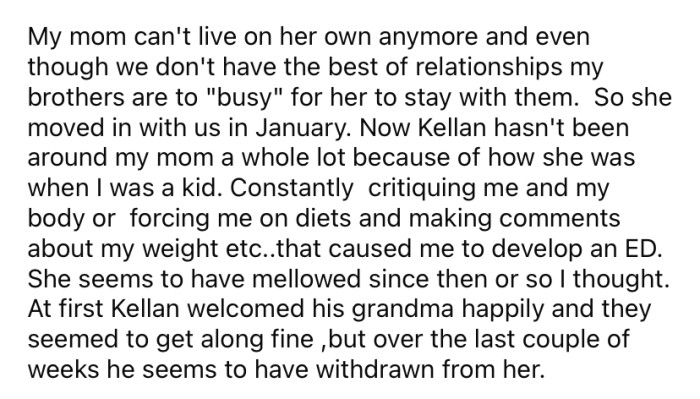
Recently, the OP discovered that her mother has been upsetting her son with hurtful comments about his weight.
Social Impact of Weight Stigma
The harmful comments made by the OP's mother reflect a broader societal issue known as weight stigma, which has been rigorously studied in recent years. Research by Dr. Rebecca Puhl at the University of Connecticut indicates that weight-based discrimination can lead to significant psychological distress, including increased rates of depression and anxiety in affected individuals. This stigma not only impacts the individual but can also create a toxic environment for children, as they are particularly sensitive to negative remarks about their bodies.
Weight stigma can lead to internalized shame, which is often a precursor to unhealthy behaviors such as disordered eating. The ramifications can extend far beyond childhood, affecting self-esteem and body image well into adulthood. It’s crucial for families to foster an environment of acceptance and body positivity, as this can mitigate some of the adverse effects associated with weight stigma.
Understanding the Impact of Weight Comments
Dr. Emily Tran, a clinical psychologist specializing in family dynamics, emphasizes that comments about weight can have profound effects on a child's self-esteem and body image.
Research indicates that negative remarks about appearance can lead to long-term psychological consequences, including anxiety and depression.
In the context of family, these dynamics can create a rift, as children often internalize their parents' beliefs, leading to feelings of shame and inadequacy.
The Redditor confronted her mother and told her never to speak to her son like that again or she'd have to find somewhere else to live.
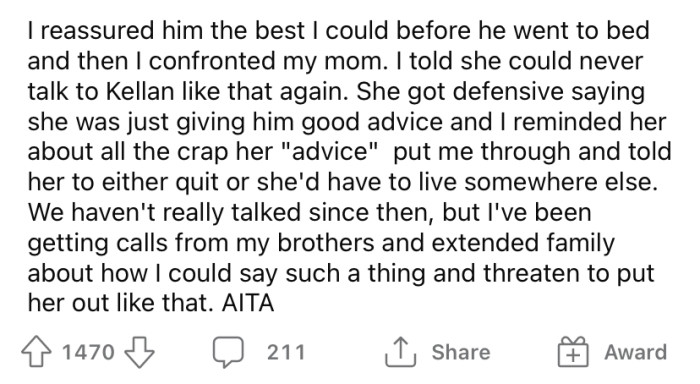
Here's how people reacted.
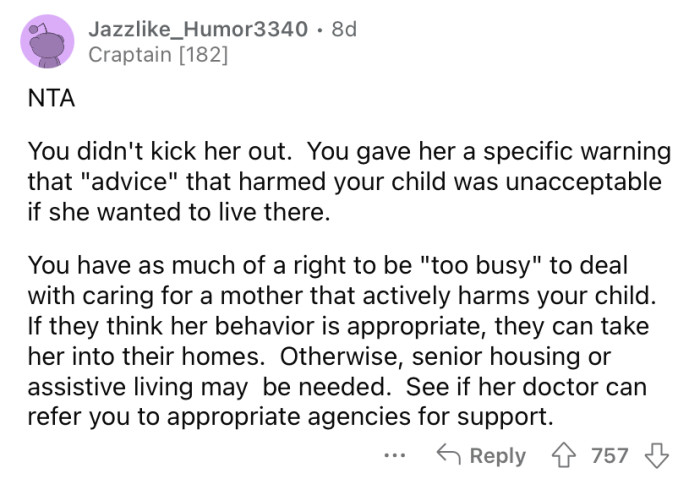
"Too busy?"
In family dynamics, particularly those involving children with low self-esteem, the role of the parent is critical. A study published in the Journal of Family Psychology highlights that supportive parenting can buffer children against negative peer influences and enhance their resilience. This means that when a parent stands up to a family member who makes hurtful comments, they are not just protecting their child; they are also reinforcing a positive self-image and promoting emotional safety.
To effectively support a child facing body image issues, parents can engage in open conversations about body diversity and self-acceptance. Research shows that children who learn to value their bodies for what they can do rather than how they look are more likely to develop a healthy self-image.
Behavioral studies reveal that when caregivers make hurtful comments, it can trigger a fight-or-flight response in children, activating their stress response systems.
This reaction not only affects their emotional well-being but can also lead to physical health issues, as chronic stress has been linked to various health problems.
"Mental & emotional abuse."
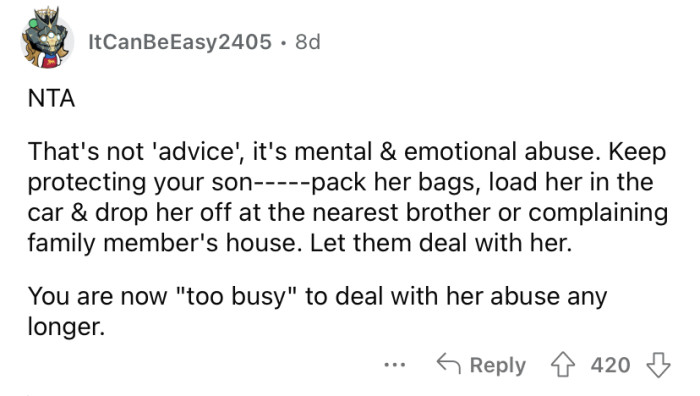
"Kick her out."
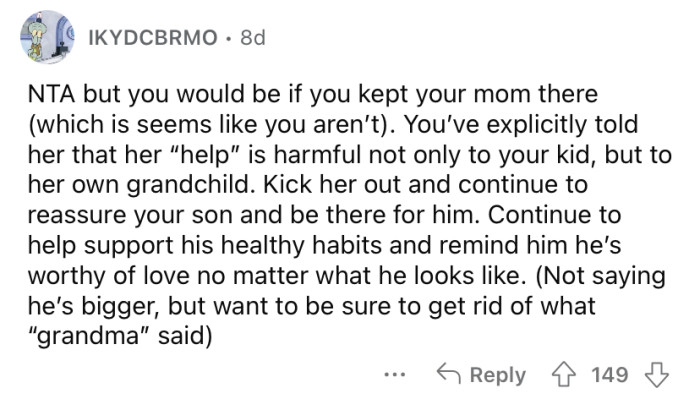
"You're doing the right thing."

The Role of Boundaries
Setting boundaries is a critical psychological skill, especially in familial relationships. According to Dr. Henry Cloud, a clinical psychologist and author of 'Boundaries,' establishing clear limits helps individuals maintain their emotional well-being while also promoting healthier interactions. In the case of the OP, her ultimatum to her mother may serve not only as a protective measure for her son but also as a necessary boundary that can lead to healthier family dynamics.
Research has shown that when individuals articulate their boundaries clearly, it can lead to better communication and stronger relationships. This aligns with the concept of assertiveness, which is crucial in preventing emotional manipulation and fostering a safe environment for children. Parents can benefit from seeking therapy or workshops focused on communication skills to better navigate these complex family dynamics.
The Role of Boundaries in Family Relationships
Psychologists suggest that setting boundaries is crucial in family dynamics to maintain healthy relationships.
Dr. Daniel Goleman, an expert in emotional intelligence, states, "Boundaries are essential for healthy relationships; they help us communicate our needs and protect our emotional well-being." You can find more insights on his work at danielgoleman.info. Establishing clear boundaries helps individuals feel safe and respected. When a family member consistently crosses these boundaries, it can be beneficial to communicate the emotional impact of their words and actions, much like the OP did.
"She's a toxic one."

NTA.

"Toxic AF."

Social learning theory posits that children learn behaviors through observation and imitation of others, particularly their caregivers. This concept, originally developed by Albert Bandura, underscores the importance of parental roles in shaping children's attitudes toward body image and self-worth. When children hear negative comments about their bodies, especially from trusted adults, they may internalize these messages, leading to long-term psychological harm.
To combat these detrimental effects, it’s essential for families to engage in positive reinforcement regarding body image. Research indicates that promoting affirmations about one's body and focusing on health rather than weight can create a more supportive emotional environment. Parents can model healthy behaviors through their own self-talk and body positivity, thereby encouraging children to adopt similar attitudes.
To further address this issue, experts recommend family therapy as a potential solution.
Therapists can facilitate conversations that help family members express their feelings and understand the impact of their words.
This approach often leads to healthier communication patterns and improved emotional support within the family.
"They can keep their opinions to themselves."

YWBTA.

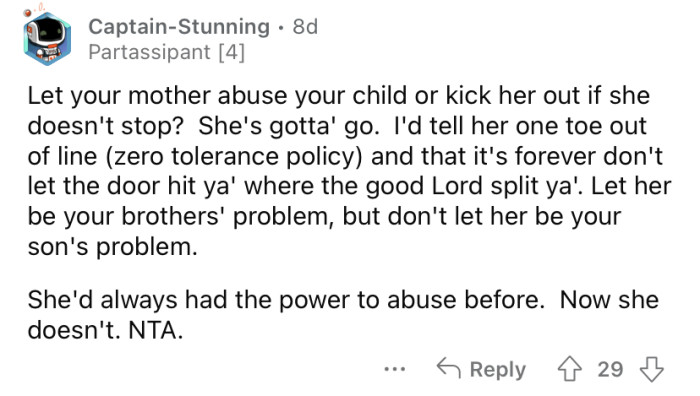
"She's gotta go."
The Psychological Impact of Ultimatums
While ultimatums can be an effective way to set boundaries, they can also create tension and conflict within family relationships. According to Dr. Michele Weiner-Davis, a marriage therapist, "Ultimatums can often backfire, leading to defensiveness and resentment, especially when the other party feels threatened." In the case of the OP, her ultimatum could provoke defensiveness from her mother, which might complicate their relationship further.
To mitigate potential fallout, it may be beneficial for the OP to frame her conversation in a way that emphasizes concern for her son's well-being rather than positioning it as a threat. As Dr. Kristin Neff, a self-compassion researcher, suggests, using 'I' statements, such as 'I feel anxious when negative comments are made,' can foster a more collaborative dialogue. This approach helps to maintain a sense of respect and understanding between family members while still addressing the underlying issue.
The Importance of Emotional Regulation
Child development experts highlight that learning emotional regulation skills is essential for both children and adults.
When family members engage in hurtful communication, it often reflects their inability to manage their own emotions, which can perpetuate cycles of conflict.
Teaching children to recognize and express their feelings can empower them to stand up against negative comments and foster resilience.
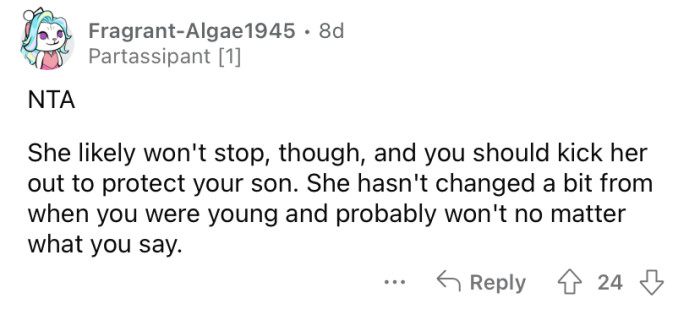
"Kick her out to protect your son."
"You're protecting your child."

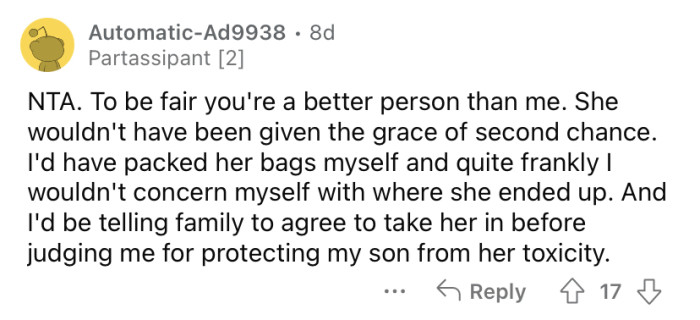
"I'd have packed her bags myself."
Decisions made in familial contexts, especially those involving children, often reflect deeper psychological themes such as loyalty and obligation. Research indicates that individuals often struggle to balance familial loyalty with the need for personal autonomy, especially in emotionally charged situations. A study in the Journal of Family Issues highlights how these conflicts can lead to emotional distress and strained relationships.
To navigate this tension, parents can benefit from engaging in family therapy or counseling, which can provide a safe space to explore these feelings. Seeking the support of a mental health professional can help family members articulate their needs without compromising the relationships they value.
Research in developmental psychology shows that children who are taught emotional intelligence tend to have better social skills and relationships.
By encouraging open dialogues about feelings, families can create an environment where constructive feedback is prioritized over harmful comments.
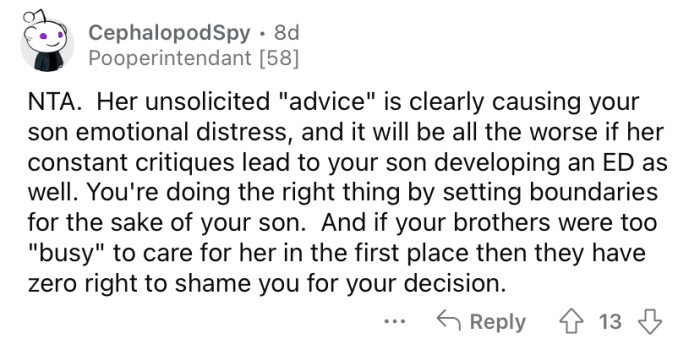
"You're doing the right thing by setting boundaries for the sake of your son."
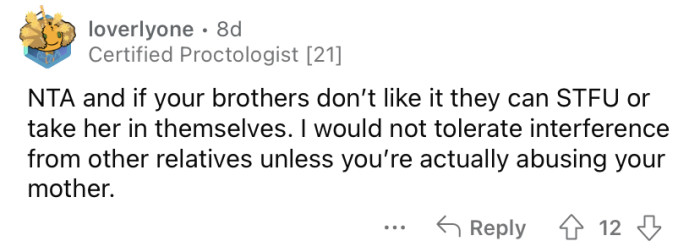
"They can STFU or take her in themselves."
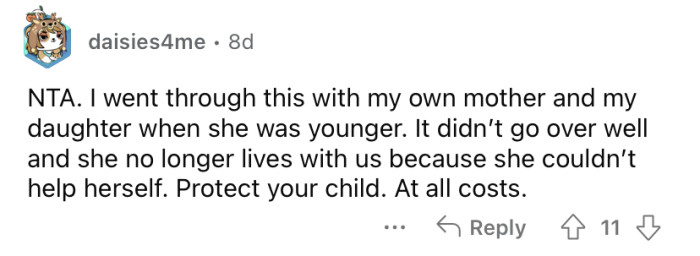
"Protect your child."
Promoting Healthy Family Dynamics
Creating a nurturing environment that promotes emotional health is fundamental in families dealing with sensitive issues like weight and body image. Research from the National Institutes of Health emphasizes that families who engage in shared activities, such as family meals and open discussions about feelings, tend to have better emotional outcomes. These shared experiences can foster a sense of belonging and acceptance, which is invaluable for children struggling with self-esteem.
To implement this, families can establish weekly rituals, such as family dinners, where everyone has a chance to share their feelings and experiences. This practice not only strengthens family bonds but also encourages children to express themselves openly, thereby reducing the likelihood of internalizing negative messages about their bodies.
Coping Mechanisms for Affected Families
Families dealing with issues of body image and self-esteem can benefit from learning healthy coping strategies.
Techniques such as mindfulness and positive affirmations can help mitigate the negative effects of hurtful comments.
Studies show that practicing self-compassion can lead to improved mental health and a more positive self-image.
What's your take on this situation? Do you think the OP overreacted, or does she have every right to be extra protective of her son?
Either way, it's not okay to comment negatively on another person's body. You never know how much words can hurt someone.
We would love to hear your opinions on this. You can share your thoughts with us in the comment section.
Involving a neutral third party, like a family counselor, can provide an objective perspective on the situation.
They can help facilitate discussions that promote understanding and healing, ultimately fostering a more nurturing family environment.
Expert Opinion
What we're seeing here is a classic example of how family dynamics can profoundly affect a child's self-esteem.
When hurtful comments are made, particularly about sensitive issues like weight, it can lead to lasting emotional scars that impact relationships and self-worth.
Analysis & Alternative Approaches
The research surrounding the effects of negative comments on body image underscores the importance of fostering positive communication in families.
As psychological studies consistently demonstrate, creating a supportive environment is vital for emotional development and well-being.
By addressing these issues head-on, families can work towards healing and healthier dynamics.
The challenges faced by families regarding weight stigma and body image are not uncommon, yet they can have profound implications for emotional well-being. As Dr. Sonja Lyubomirsky, a happiness researcher, states, "Open discussions about body image can foster a supportive environment that enhances self-esteem and emotional resilience in children" (source: sonjalyubomirsky.com). Addressing these issues openly can lead to healthier family dynamics and improved self-esteem among children. With the right approach and support, families can cultivate an environment that not only protects but also nurtures emotional growth and resilience.