
Heartbroken Nurse Spends £4,000 On Getting Beloved Dead Cat Tango Stuffed
In a heartfelt tribute, a nurse's love for her departed pet knows no bounds.

Davy
- Published on
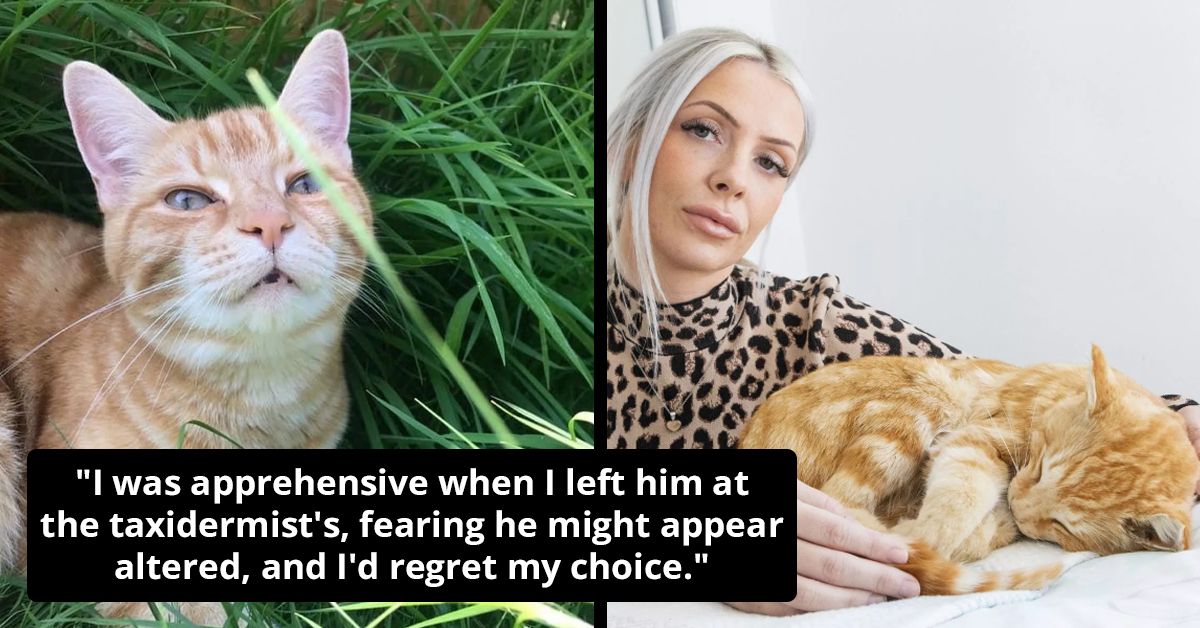
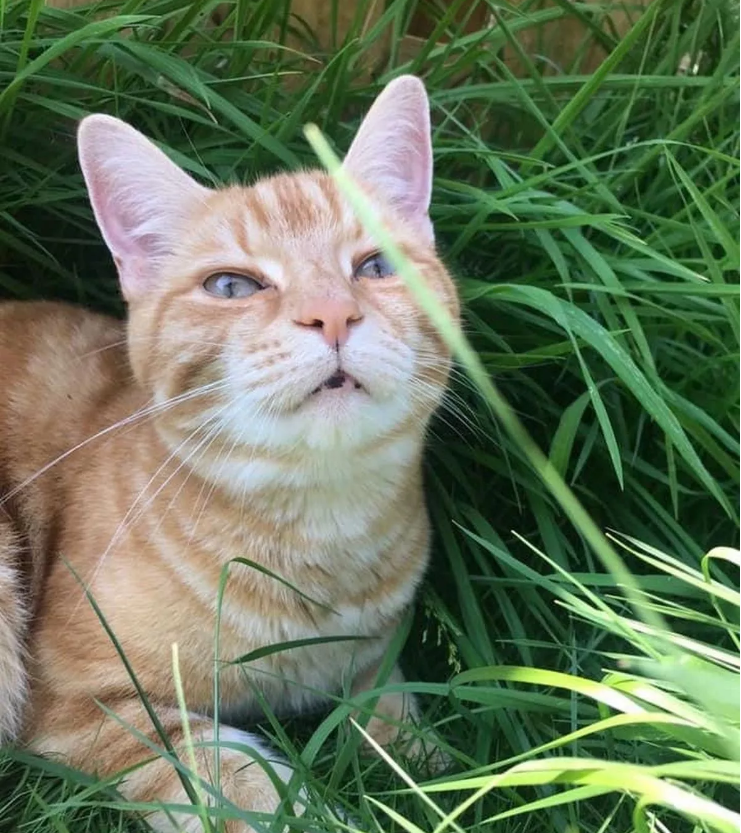
Grieving the loss of a beloved companion can be an incredibly painful experience. For one nurse from London, the passing of her cherished cat, Tango, left a void that seemed impossible to fill. Overwhelmed by sorrow, she made an unusual decision—to preserve the memory of her feline friend in a most unconventional way.
Determined to keep Tango close, she embarked on a unique journey, spending £4,000 to have him meticulously stuffed. This extraordinary act of love and devotion has sparked both admiration and curiosity, shedding light on the deep bond between humans and their animal companions.
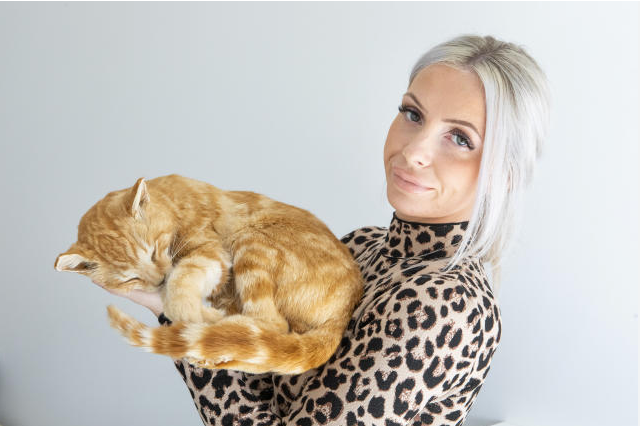
Harriet Peace, a 28-year-old nursing assistant from Mauchline, Ayrshire, was left utterly devastated when her beloved cat, Tango, met a tragic end in a car accident last September. Unable to bear the thought of parting with him forever, she made a poignant decision—to have Tango preserved through taxidermy, ensuring they could be together for eternity.
Traveling to London to consult with a taxidermist, Harriet embarked on a journey to immortalize her cherished companion. Despite the seven-month-long process of preservation, Harriet was unwavering in her resolve, knowing that the end result would bring her solace.
Upon finally reuniting with Tango, now forever preserved in his familiar basket, Harriet was overcome with emotion at the astonishingly lifelike resemblance. Despite the passage of time and the physical separation during the taxidermy process, Harriet asserts that the decision to have Tango stuffed was undoubtedly the best she ever made, allowing her to keep her beloved pet close and cherish their bond indefinitely.
Pet loss experts recommend that individuals consider healthier ways to cope with grief beyond taxidermy, which may not resonate with everyone. Dr. Julie Bhosale, a pet loss counselor, suggests creating a scrapbook or memory box filled with photos and mementos of the pet.
This approach can serve as a therapeutic outlet that honors the pet's life while allowing the owner to process their grief in a less permanent manner. Engaging in community support groups can also be beneficial, as they provide a space for sharing experiences with others who understand the pain of losing a pet.
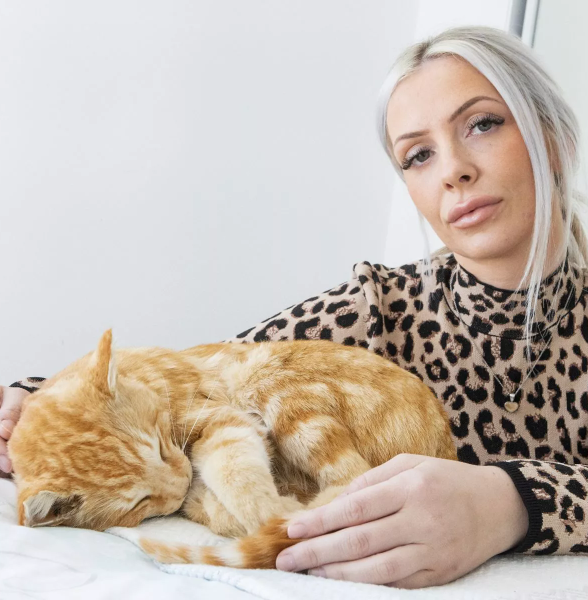
Harriet expressed, "When Tango passed away, it was a crushing blow—the thought of cremation was too painful to bear.
"When the idea of taxidermy was suggested, it seemed like the ideal solution to keep him close to me indefinitely.
"I was apprehensive when I left him at the taxidermist's, fearing he might appear altered, and I would regret my choice.
"But upon retrieving him, all my doubts melted away.
"He's incredibly lifelike. It's as though he never left, and having him here brings me immense comfort as I reminisce about our time together."
The Complexity of Grief
Dr. Alan Wolfelt, a renowned grief counselor, emphasizes that losing a beloved pet can trigger profound grief akin to losing a family member. He states that pet loss is often underestimated, yet it can evoke a range of intense emotions, from sadness to guilt.
His research underscores the importance of honoring that grief through meaningful rituals, such as the act of preserving a pet's memory. According to Dr. Wolfelt, engaging in such tributes can facilitate healing by allowing individuals to express their love and commitment to their pets even after death.
Harriet was plunged into deep sorrow when Tango tragically passed away on September 12.
Despite the car accident, Tango appeared serene, almost as if he were peacefully asleep, with no visible signs of injury.
Overwhelmed by the prospect of burying or cremating her beloved pet, Harriet found herself at a loss until the idea of taxidermy was suggested.
This meticulous process, reserved for only a handful of establishments across the country, involves preserving the animal's body to maintain a lifelike appearance.
Reflecting on her decision, Harriet shared, "He was like my child; his loss was profoundly felt."
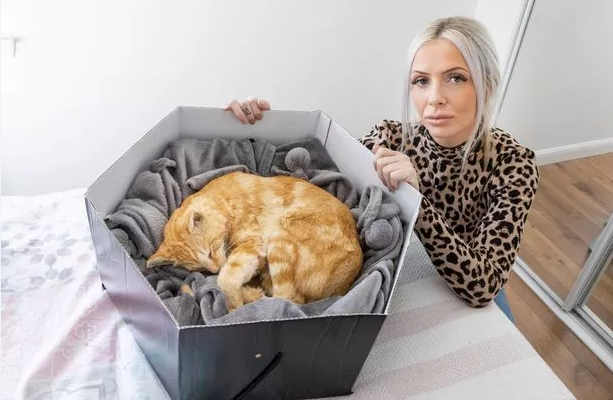
"He had been my constant companion through thick and thin, and I had imagined we'd share at least another decade together—he was my loyal sidekick," Harriet reminisced.
"Taxidermy seemed like the ideal solution to keep him by my side for eternity."
Despite her ex-partner's horrified reaction to the idea, Harriet remained resolute in her decision.
Without hesitation, she placed Tango in the freezer and promptly embarked on a journey from her home in Scotland all the way down to the specialists at Get Stuffed in London.
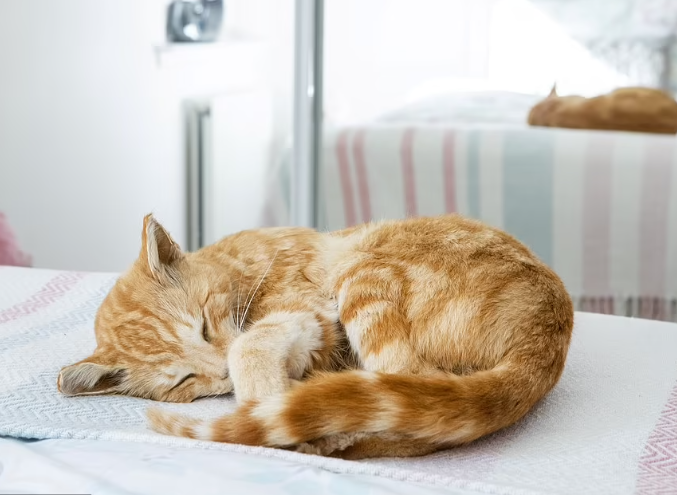
The taxidermy procedure entails the meticulous use of various oils and chemicals to ensure the proper preservation of the body, a process that spans seven months.
Despite the heartache stemming from Tango's loss, Harriet remained convinced that taxidermy was the right choice. Eager to have her beloved companion back home with her, she initiated the process without delay.
Reflecting on the outcome, Harriet expressed, "Tango is exactly as I remember him. While I understand it may not be everyone's preference, I'm truly grateful to the skilled individual who carried out the procedure. After losing my dearest friend, having him returned to me in this way is truly the most precious gift. Without a doubt, it's the best decision I've ever made."
Behavioral Analysis & Pathways Forward
The emotional journey of pet loss is complex, and each individual will navigate their grief differently. According to studies from the American Psychological Association, acknowledging the emotional pain and finding personalized ways to memorialize pets can lead to better mental health outcomes.
Dr. Wolfelt concludes that by recognizing the depth of their grief and exploring various methods of remembrance, individuals can foster healing and growth. Ultimately, the love shared with a pet never truly dies; it transforms into cherished memories that continue to shape our lives.