
Woman Discovers Her "Japanese Spitz" Isn't A Dog At All
Over time, its face grew pointed, its tail lengthened, and it never barked.

Damjan Milenkovic
- Published on
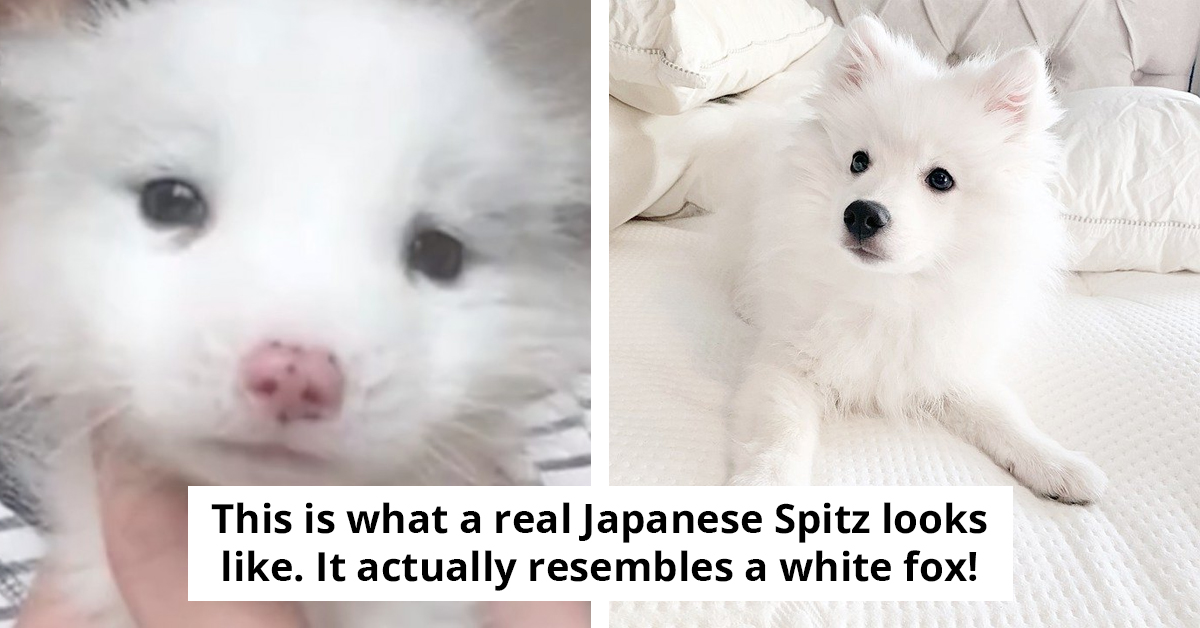
Discovering the true identity of a beloved pet can be a surprising and emotional journey, as one woman from China recently experienced.
Ms. Wang thought she was raising a Japanese Spitz, a fluffy dog breed known for its playful demeanor and snowy white fur. Little did she know, her pet was not what it seemed.
Ms. Wang's story began when she adopted a charming puppy from a local pet store. Excitedly, she welcomed the pup into her home, eager to shower it with affection and care.
For nearly a year, she nurtured what she believed to be a Japanese Spitz, noticing some peculiar changes in its behavior and appearance over time.
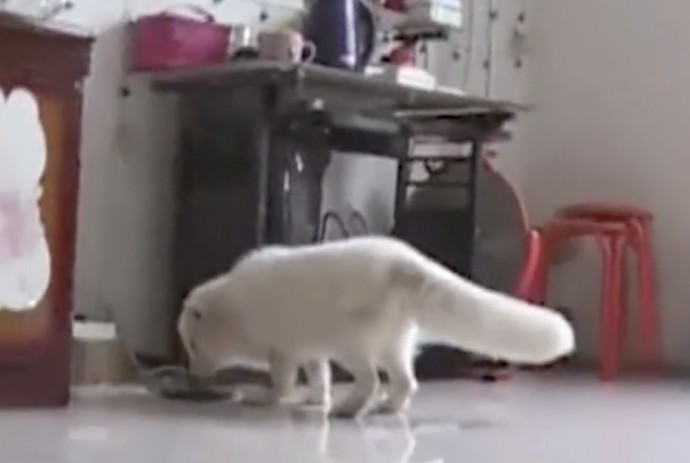
Initially, the puppy's refusal to eat dog food and the unusual thickness of its fur were small curiosities. However, as months passed, its face became more pointed, its tail grew longer than expected, and, most surprisingly, it never uttered a bark. These deviations from typical dog traits puzzled Ms. Wang, prompting her to seek answers.
During visits to the park, others began to speculate about her pet's true nature. Observers noted how other dogs seemed wary of the pup, which led Ms. Wang to take a decisive step—she visited Taiyuan Zoo for a professional opinion.
There, experts confirmed what had become increasingly apparent: her beloved "Japanese Spitz" was, in fact, a domesticated fox. This revelation came as a shock to Ms. Wang, who had formed a deep bond with her pet.
Despite her affection, she understood that a fox, unlike a dog, has specific needs and behaviors that cannot be met in a typical household setting. With a heavy heart, she made the difficult choice to surrender her fox to the zoo, where it could receive proper care and live among its kind.
For Ms. Wang, parting with her fox was bittersweet but ultimately the best decision for its well-being. Now, the fox resides in an environment suited to its instincts, surrounded by others of its species. Ms. Wang is comforted knowing that her former pet is thriving in its new home, where she is always welcome to visit.
Sometimes, you think you know someone, only to discover you were completely mistaken.

You think you're raising a Japanese Spitz, but then it hits you—you’re looking after a white fox.

Ms. Wang bought an adorable Japanese Spitz puppy from a pet store in China and was thrilled to welcome the new addition to her family and give it all her love.

Understanding Pet Misidentification
As pet ownership becomes increasingly popular, misunderstandings about animal breeds can arise. Dr. Julie Buzby, founder of ToeGrips, emphasizes the importance of accurate breed identification for pet care and safety.
She notes that misidentifying a pet can lead to improper care practices, impacting their health and well-being. For instance, a dog that requires specific training or exercise might be neglected if confused with a less active breed.
Pet owners should consult reputable resources or professionals before making assumptions about their pets. Websites like the American Kennel Club offer comprehensive breed profiles that can help avoid such misidentifications.
Practical Steps for Pet Owners
When faced with the reality of a misidentified pet, it's crucial for owners to take constructive steps. Dr. Sophia Yin, a veterinary behaviorist, advocates for education on breed characteristics and behaviors to ensure appropriate care.
She recommends that pet owners engage in training that suits their pet's actual needs, which may differ from their perceived breed. For instance, if the animal is a hybrid or less common breed, tailored training methods are essential.
Additionally, seeking advice from professionals, such as veterinarians and certified trainers, can help owners develop a more accurate understanding of their pets. This approach not only enhances the pet-owner relationship but also promotes the overall well-being of the animal.
Ms. Wang observed unusual behavior in her pet.

Ms. Wang brought her pet to Taiyuan Zoo, where it was confirmed that her beloved animal was a domesticated fox.

This news was devastating for Ms. Wang, who adored her pup and had dedicated almost a year to caring for it.
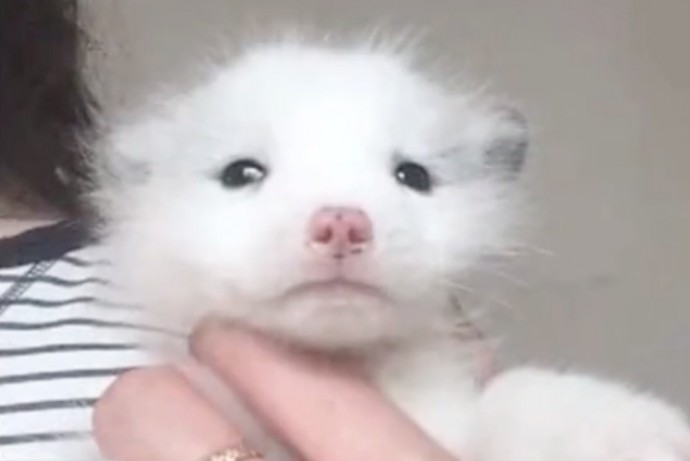
Pet behaviorist Dr. John Ciribassi explains that many people mistakenly believe their pets reflect certain behaviors based solely on appearance. In Ms. Wang's case, her 'Japanese Spitz' displayed traits that didn't align with the breed's typical characteristics.
Dr. Ciribassi suggests that owners should observe their pets' behaviors closely and consult a veterinarian or animal behaviorist when in doubt. This proactive approach not only fosters a better owner-animal bond but also ensures that the pet's unique needs are met.
By understanding the full spectrum of behaviors, pet owners can create a more harmonious living environment.
Ms. Wang chose to give her fox to the zoo so it could have a better life.
This is what a real Japanese Spitz looks like. It actually resembles a white fox!

Ms. Wang's story reminds us how important it is to understand and care for animals properly. When Ms. Wang realized her pet wasn't a dog but a fox, she made a tough choice. She decided to give the fox to a zoo where it could live happily with other foxes. This shows her love for the fox, even though it meant saying goodbye.
Ms. Wang's decision to do what was best for her fox helps us see that caring for pets sometimes means making hard choices for their sake. Ms. Wang's experience reminds us to learn more about the animals we keep as pets and to treat them with understanding and kindness.
Building Healthier Patterns
Understanding a pet's true nature is vital for their health and happiness. Research by the American Veterinary Medical Association suggests that misidentified pets often face neglected health needs, leading to behavioral issues.
Experts emphasize that education is key; Dr. Temple Grandin highlights that recognizing an animal's specific behaviors can lead to better care practices. By consulting professionals and accessing reliable resources, pet owners can foster a deeper bond with their pets while ensuring they receive the appropriate care they deserve.