
Channel 4 Documentary Sheds Light On Transgender Model Miriam Rivera’s Turbulent Life
Tragic true story of a transgender star whose sex assigned at birth was kept secret on a dating show

Davy
- Published on
The documentary "Miriam: Death of a Reality Star" aired on Channel 4, delving into the life and untimely death of Miriam Rivera, a transgender model who faced significant challenges and discrimination. The documentary highlights her controversial appearance on a British reality TV dating show in 2004, where her transgender identity was concealed from the contestants until the final episode.
This revelation, intended to be a dramatic twist, backfired, subjecting her to widespread ridicule and contributing to a life marked by adversity. Miriam faced ongoing struggles with acceptance and understanding from the public and within her personal life.
Despite support from some family members and initial media success, Miriam's story ended tragically when she reportedly committed suicide in 2019, a narrative complicated by her husband's claim that she was murdered due to threats. The documentary explores these aspects, shedding light on the severe impacts of exploitation in media and the challenges faced by individuals in the transgender community.
VIDEO BELOW

"Miriam: Death of a Reality Star," a Channel 4 documentary, explores the complex and heart-wrenching life of Miriam Rivera, a transgender model from Brazil, whose journey through fame and hardship was both inspiring and tragic.
Miriam first came to public attention through her participation in the reality TV show "There's Something About Miriam" in 2004. The show was structured around male contestants vying for her affection without knowing she was transgender, a fact revealed only in the show’s finale.
Dr. Ramani Durvasula, a clinical psychologist, emphasizes the role of media in shaping public perception of transgender individuals. Her research indicates that sensationalized portrayals, like those seen in dating shows, can lead to harmful stereotypes and further alienate the individuals they represent.
To improve future media representations, she suggests that producers actively engage with transgender advocates during the development process. This collaboration can ensure more authentic narratives that reflect the lived experiences of transgender individuals and promote understanding among viewers.

This controversial reveal was intended as a shocking conclusion to the series but resulted in significant backlash against Miriam.
Contestants responded with anger and attempted legal action against the show's producers for conspiracy to commit sexual assault, defamation, and personal injury, arguing that they suffered psychological and emotional harm. The legal battle was settled out of court for an undisclosed amount.

Dr. Seema Yasmin, a physician and journalist, highlights the importance of mental health support in the narratives of marginalized individuals, including transgender persons like Miriam Rivera. Her insights suggest that societal stigma often exacerbates mental health struggles, particularly in high-stress environments such as reality television. The emotional toll of public scrutiny can be profound, underscoring the need for supportive networks and mental health resources for individuals in the spotlight.
Creating safe spaces for open dialogue about mental health and identity can significantly mitigate these issues. Initiatives promoting empathy and understanding in media portrayals can also foster a more accepting culture.
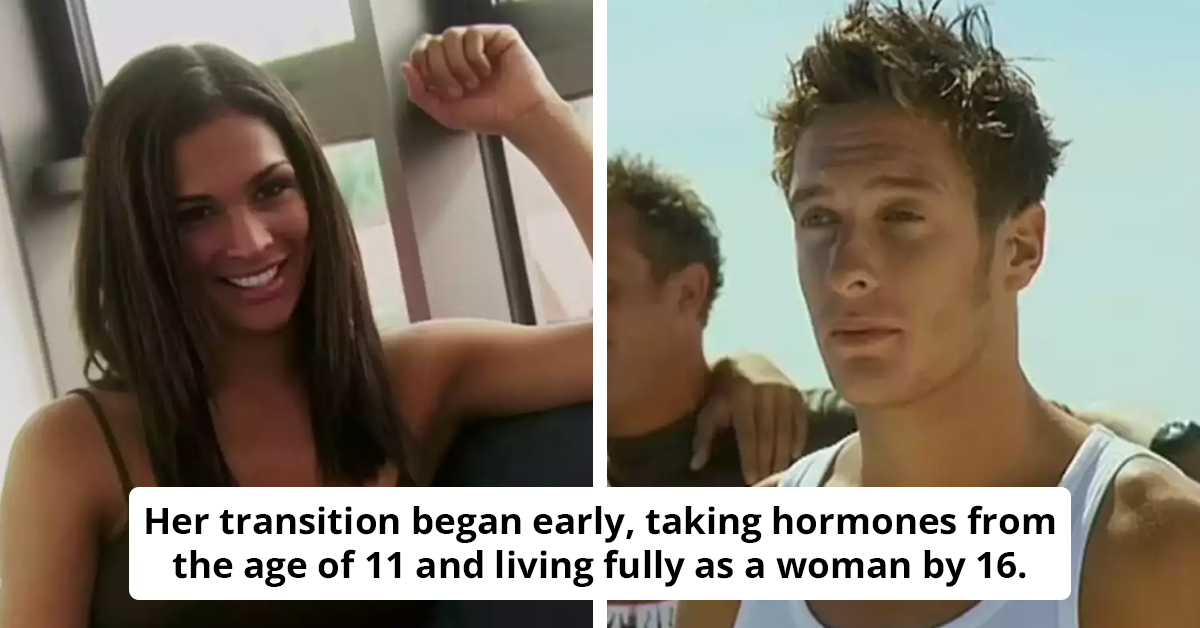
Miriam's early life in Mexico was marked by gender dysphoria; she felt different from her siblings and was more interested in traditionally feminine activities. Her transition began early, taking hormones from the age of 11 and living fully as a woman by 16.
Despite facing intense societal challenges and discrimination, she found brief solace in her fame, which was quickly overshadowed by public scrutiny and personal difficulties.

The documentary also touches on the darker aspects of her life, including her struggle for acceptance and her mysterious death in 2019.
Originally ruled a suicide by hanging, her husband, Daniel Cuervo, contested this conclusion, claiming that Miriam was murdered following death threats. He argued that the narrative of her suicide was constructed to cover up the murder, fueled by transphobia and hate crimes.
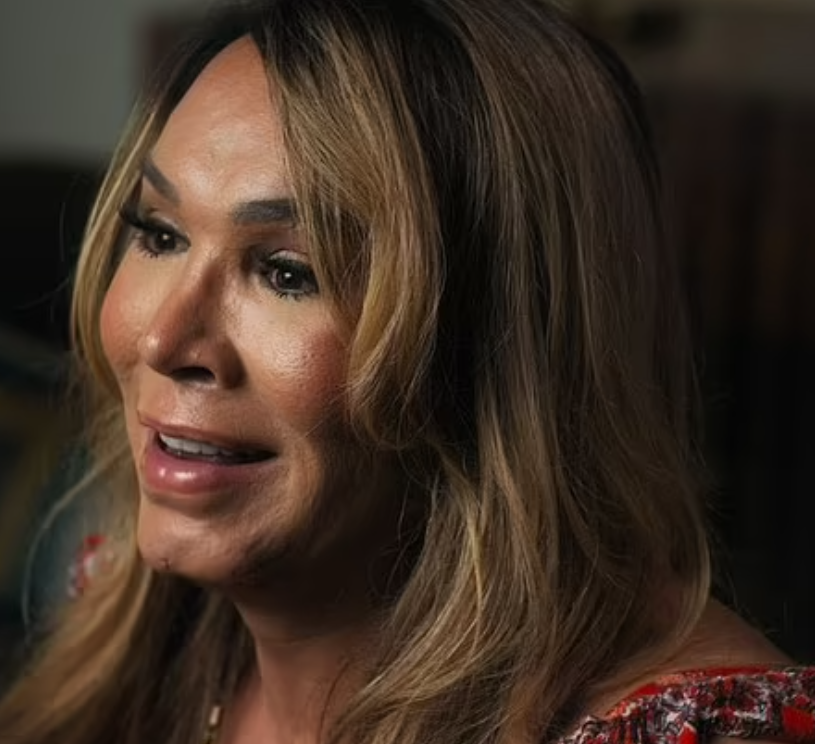
This documentary serves as a poignant reminder of the harsh realities faced by many in the transgender community, especially those thrust into the public eye.
It challenges viewers to reflect on the consequences of media exploitation and the importance of empathy and support for individuals dealing with complex identity issues in a sometimes hostile societal landscape.
Understanding the complexities of individual experiences, especially in the context of media portrayal, is crucial for fostering empathy and reducing stigma. Experts like Dr. Yasmin and Dr. Durvasula advocate for supportive environments and responsible media practices that prioritize mental health and authenticity. As noted in psychological research, creating positive representations can lead to better societal acceptance and understanding of marginalized communities. By promoting education and collaboration, we can hope for a future where stories like Miriam Rivera's are told with dignity and respect.