
50 ‘Must-See Animal Images’ From This Entertaining Online Group
Enjoy!

Damjan Milenkovic
- Published on
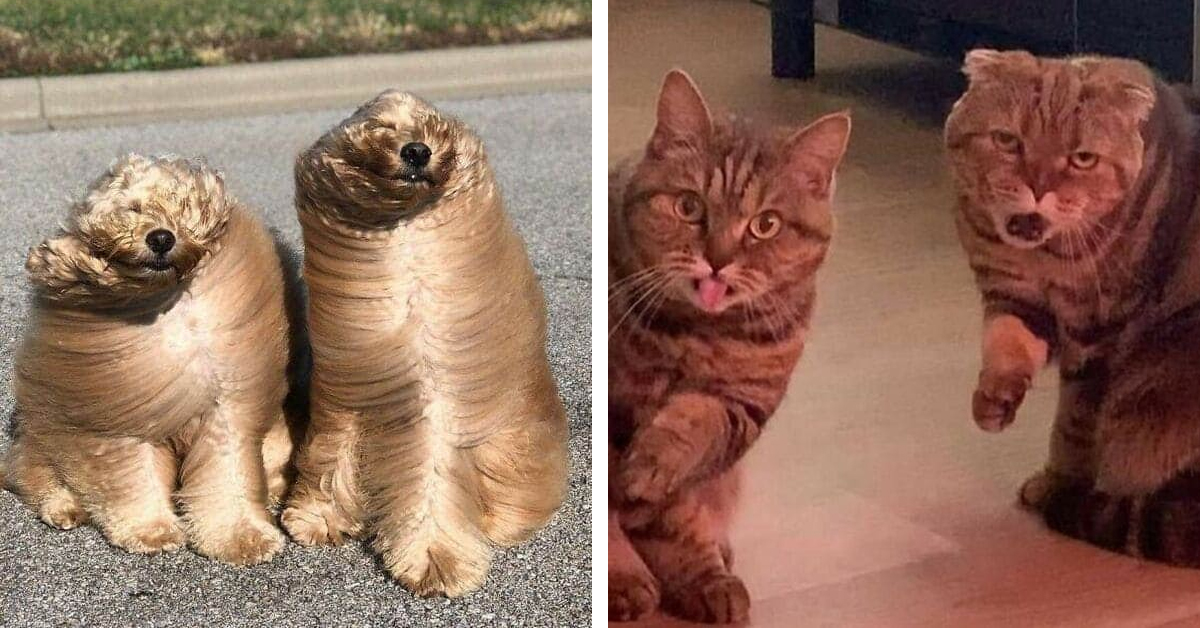
The Internet is a vast and diverse space that offers something for everyone. It can be a source of information, connection, and entertainment. Among its many features, one of the most delightful aspects is the ability to discover and enjoy various groups and communities centered around shared interests.
The Internet provides endless opportunities, whether you are seeking knowledge, social interaction, or a good laugh. One particularly charming example of what the Internet offers is the community dedicated to sharing funny and adorable animal photos.
This type of online group, exemplified by one known as “Important Animal Images,” demonstrates how the Internet can bring people together through simple yet powerful content. These communities focus on collecting and sharing images that capture animals in amusing and endearing moments.
Animal images have a unique appeal. They can brighten anyone’s day, offering fun and joy.
The charm of these images lies in their ability to showcase animals in entertaining and heartwarming ways. Whether it’s a cat with a comically surprised expression or a puppy playfully interacting with its surroundings, these photos have a universal appeal that transcends age and background.
Groups like “Important Animal Images” thrive online because they cater to a universal desire for positivity and humor. In a world where news can often be overwhelming or distressing, these communities offer a refreshing escape.
The joy derived from a well-timed animal photo is a testament to the simple pleasures found online. Sharing and enjoying these images is also a form of social interaction.
Members of these groups often comment on and discuss the photos, creating a sense of community. This interaction can lead to a deeper connection among members who share a common appreciation for the lighthearted content.
Additionally, these groups highlight the role of the Internet in fostering creativity and humor. Many shared images are not just random snapshots but are carefully selected or staged to elicit a specific reaction.
This creative element adds another layer of enjoyment for the community members.
Animals are the best...
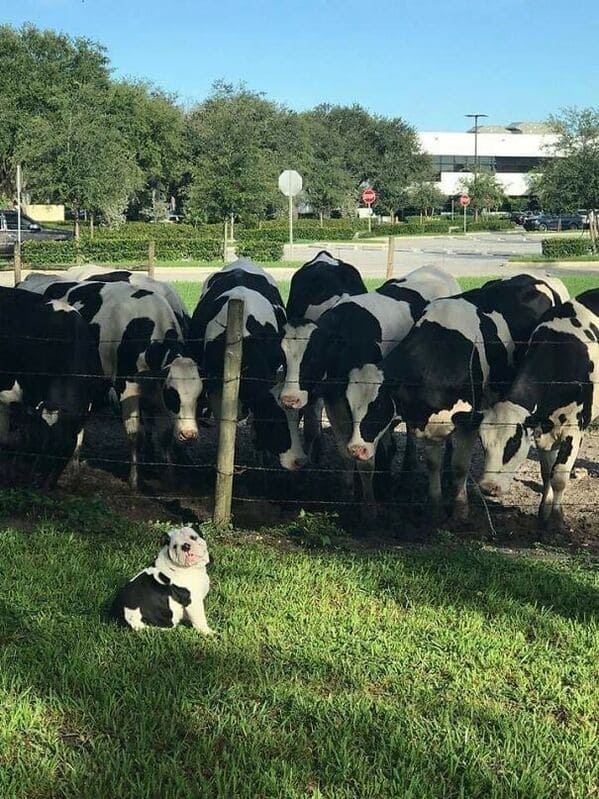
"He’s found his people."
"Any cat would be grumpy in this."

The Joy of Animal Imagery
According to Dr. Lisa Feldman Barrett, emotion researcher and author, engaging with animal images can evoke feelings of joy and connection, positively impacting our mood.
Dr. Barrett explains that visuals of animals can stimulate the brain's reward system, resulting in the release of dopamine, a neurotransmitter linked to pleasure. This phenomenon is why communities dedicated to animal imagery thrive online.
Moreover, sharing such images fosters social bonds, creating a sense of community among members who appreciate similar interests.
"Corgi is curious."

"Close friends."

"Like an impressionist painting."

It's fascinating how animal imagery can serve as a form of therapy. Dr. T. Colin Campbell, a renowned nutritionist, emphasizes that connecting with nature and animals through images can provide emotional relief. He notes that this connection can reduce stress levels and enhance overall mental well-being.
Furthermore, Campbell suggests that incorporating regular breaks to view animal images in your daily routine can improve focus and productivity. This simple practice can help rejuvenate your mind and foster creativity.
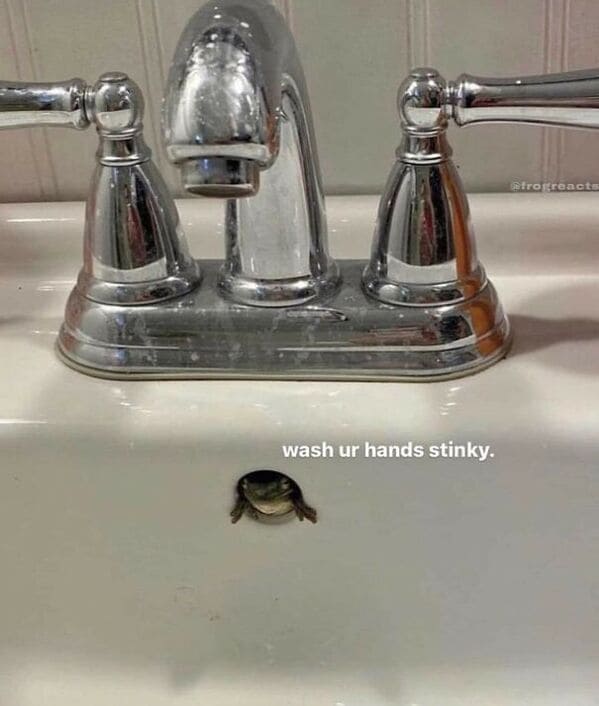
"Listen to the frog."
"My strong little guy."

"Another glass of wine?"

The Role of Humor in Animal Content
Research shows that humor plays a critical role in how we engage with animal content online. Dr. Robert Provine, a psychologist who has studied laughter, posits that humor strengthens social connections.
When people share amusing animal images, they often do so to foster camaraderie and share joy. This laughter not only enhances social interactions but also has physical health benefits, such as reducing stress and boosting immune function.
In essence, humor in animal imagery acts as a catalyst for building relationships.
"Geese are up to no good even with their own kind."
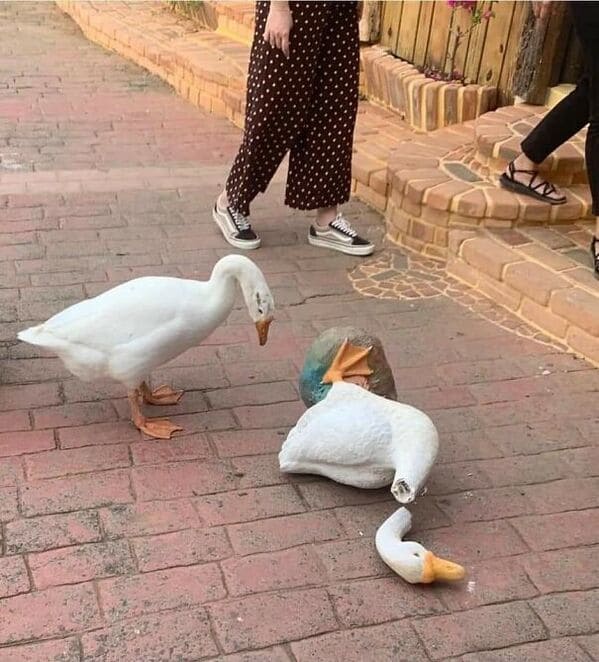
"Mugging for the camera."
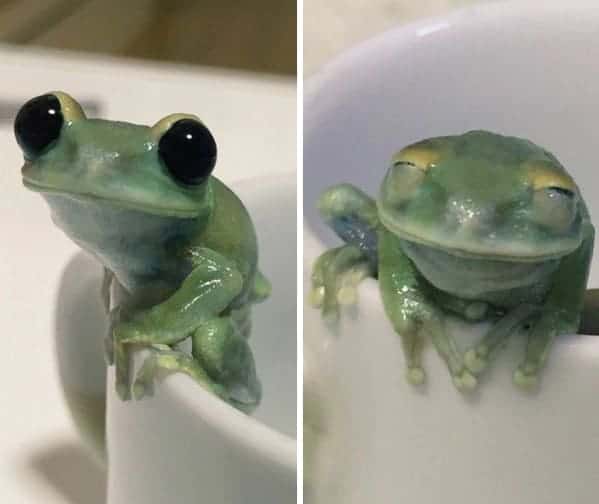
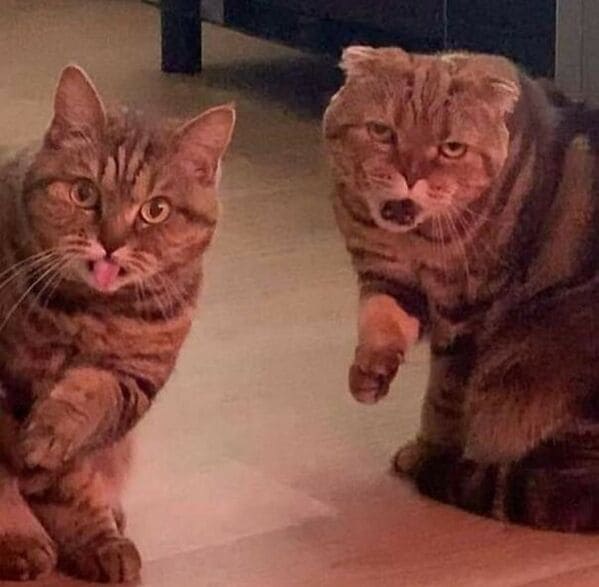
"Awkward human cat."

The psychological impact of animal images can be profound. Dr. Jonathan Haidt, a social psychologist, notes that visuals of cute animals can elicit feelings of empathy and compassion.
He suggests that these emotional responses may increase our capacity for kindness, potentially leading to more supportive behaviors in our communities. By sharing animal images, individuals can unconsciously promote positive social norms.
Incorporating this understanding into online platforms can enhance user engagement and foster a more nurturing environment.
"There’s a story here. It’s short, but it’s funny."

"Same."

"In his happy place."

Building Community Through Shared Interests
Communities centered around animal images often thrive due to shared interests. Dr. Angela Duckworth, character researcher, highlights the importance of passion in building lasting connections.
She explains that when individuals engage with content they love—like animal imagery—they're more likely to form strong, meaningful relationships. This sense of belonging is essential for emotional well-being and can create supportive networks.
Encouraging collaborative efforts within these communities can further enhance engagement and deepen relationships.
"Muddy, buddy."
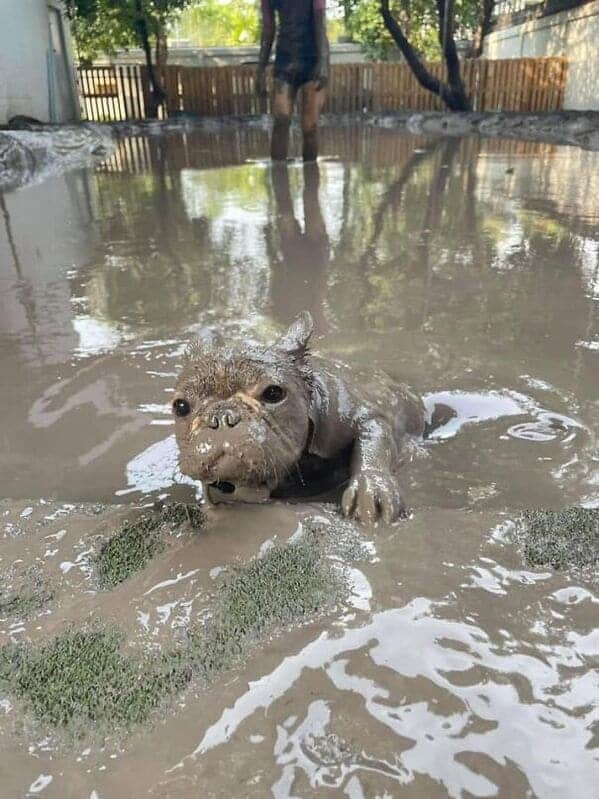
"Sipping some milk."
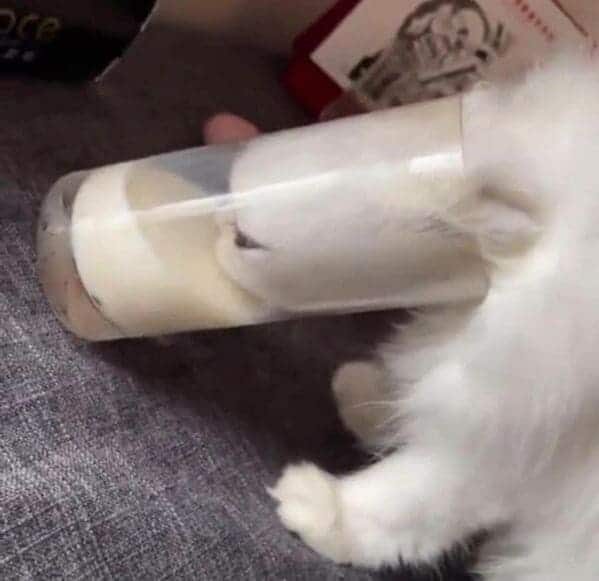
"This move did not go as planned."

Utilizing animal images in therapeutic settings can be beneficial. Dr. Steven Gundry, a cardiologist known for his work on health and wellness, advocates for nature-based therapies.
He recommends incorporating animal imagery into stress-relief practices, as it can provide comfort and relaxation. For example, therapists might suggest clients spend time engaging with uplifting animal content as part of their self-care routine.
This approach not only supports mental health but also reinforces positive associations with well-being.
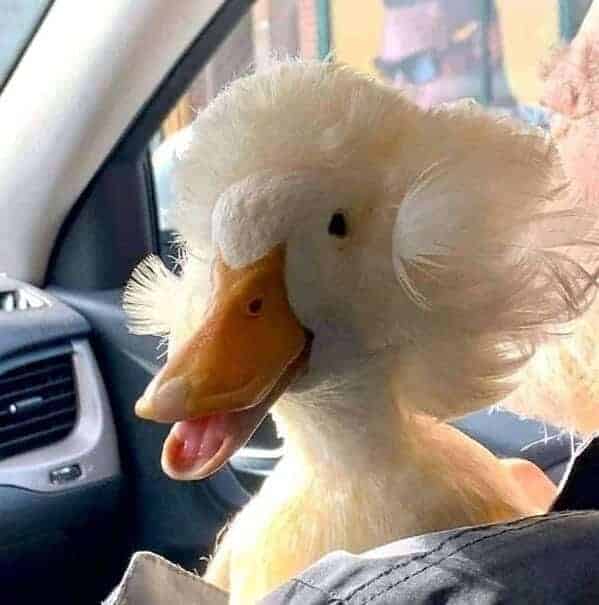
"Good hair day."
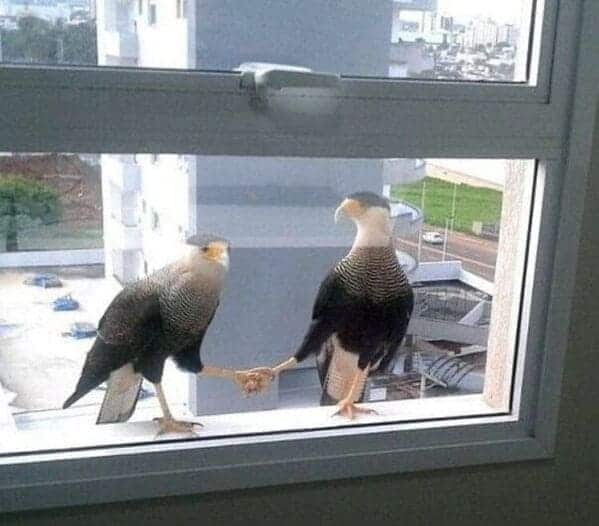
"Regal."

"A nice greeting."
The Power of Visual Storytelling
Visual storytelling is a powerful tool, especially when it comes to animal imagery. According to marketing expert Seth Godin, compelling visuals can captivate audiences and foster emotional connections.
He emphasizes that stories told through images resonate more deeply than text alone. This principle applies to communities sharing animal images, as the narratives behind the images often evoke empathy and warmth.
Encouraging users to share their stories alongside animal images can enhance engagement and create a richer community experience.
"Cat cups."

"Dog balcony."

"The face you make when your spot is taken."

Incorporating animal imagery into educational content can enrich learning experiences. Dr. Carol Dweck, a motivation researcher, emphasizes the benefits of visual aids in enhancing engagement and knowledge retention.
Using relatable animal images can help illustrate concepts, making learning more enjoyable. For instance, educators might use animal visuals in lessons about ecology or biology to spark interest and curiosity.
This approach can also help students connect emotionally with the subject matter, leading to deeper understanding.
"Cute soup."

"When a good boy knocks on your door."
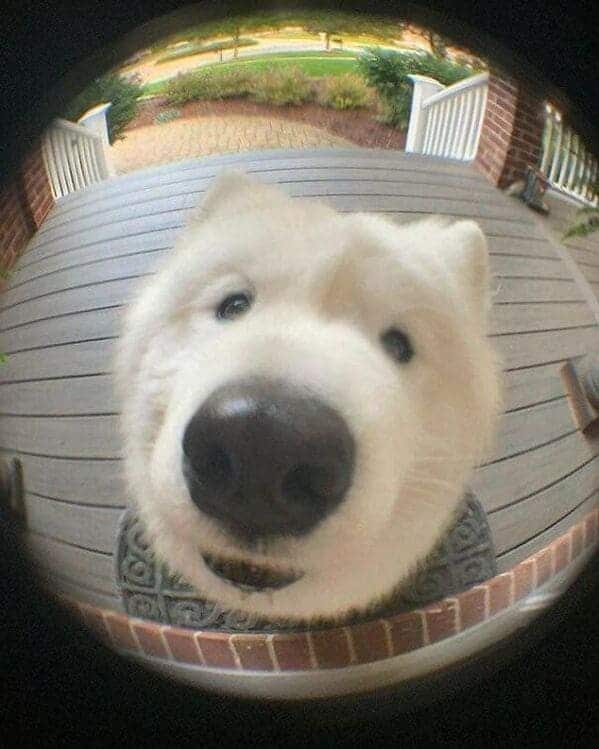
"Sup?"
Cultural Perspectives on Animal Imagery
Cultural perspectives heavily influence how animal imagery is perceived. Dr. Alfie Kohn, an education expert, notes that cultural contexts shape our understanding and appreciation of animals.
In some cultures, certain animals symbolize specific values or beliefs, which can affect how images are interpreted. Understanding these cultural nuances can enhance the appreciation of animal imagery within diverse communities.
Encouraging discussions about cultural representations can deepen connections and foster a more inclusive environment.
"Let’s talk about your future at this company."

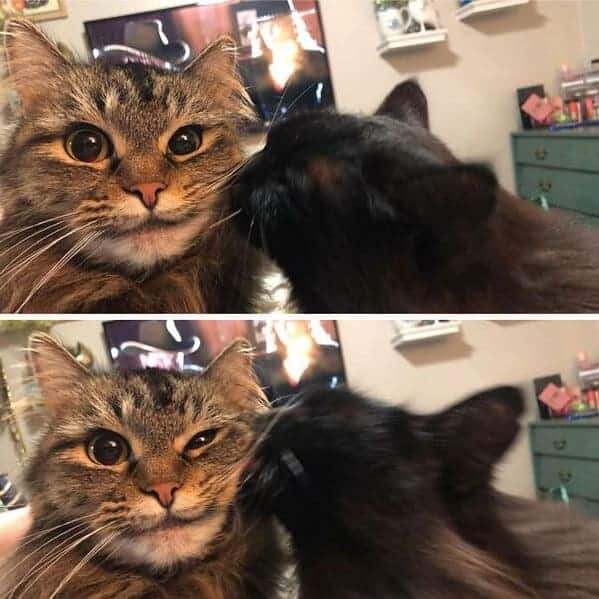
"Smooch."
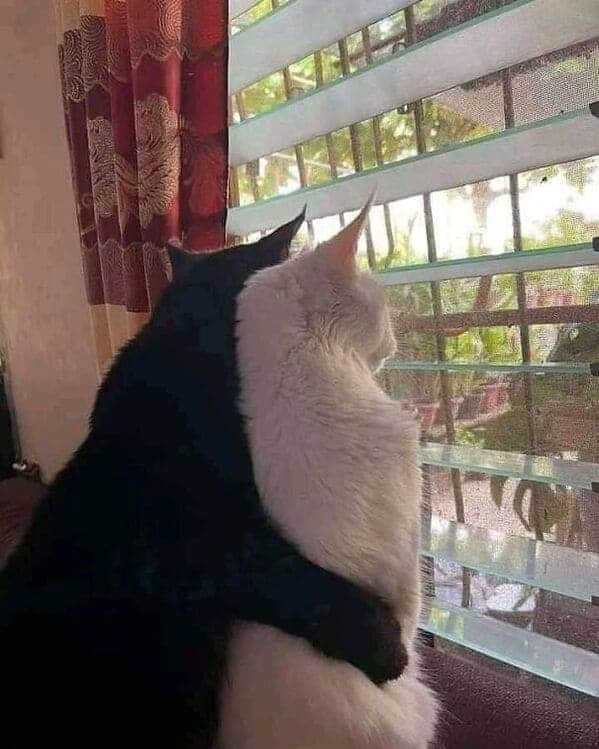
"The lookout."

Animal imagery has significant implications for mental health. Dr. Daniel Kahneman, a behavioral economist, highlights the importance of positive stimuli in enhancing mental well-being.
He suggests that viewing uplifting animal content can serve as a form of emotional regulation, providing a much-needed break from stressors. Incorporating this practice into daily routines can foster resilience and emotional stability.
Professionals recommend setting aside time for this activity to optimize its benefits for mental health.
"Shock and awwww."
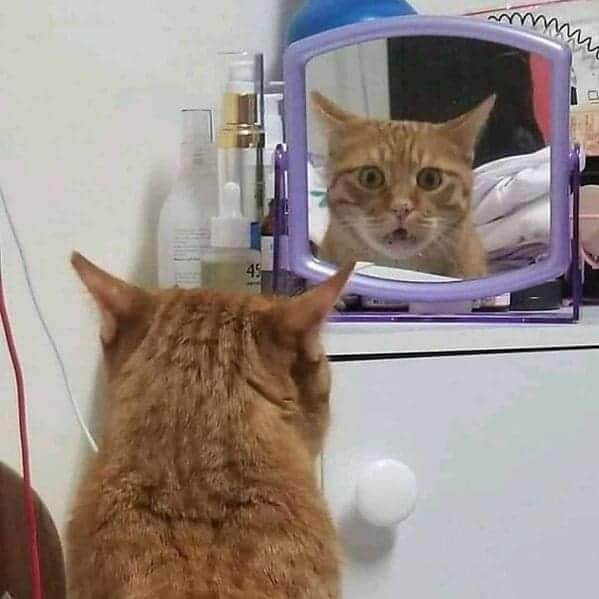
"They’re learning."

"Snakes can be cute too."

Harnessing the Therapeutic Benefits of Animal Images
Animal imagery can play a vital role in therapy. Dr. Michele Weiner-Davis, a marriage therapist, highlights how visuals of animals can encourage open dialogue in therapeutic settings.
For instance, using animal images as conversation starters can help clients express their emotions more comfortably. This technique can facilitate deeper exploration of feelings and relationships.
Therapists can consider integrating this approach into their sessions for enhanced engagement and positive outcomes.
"So, do you eat trash around here often?"
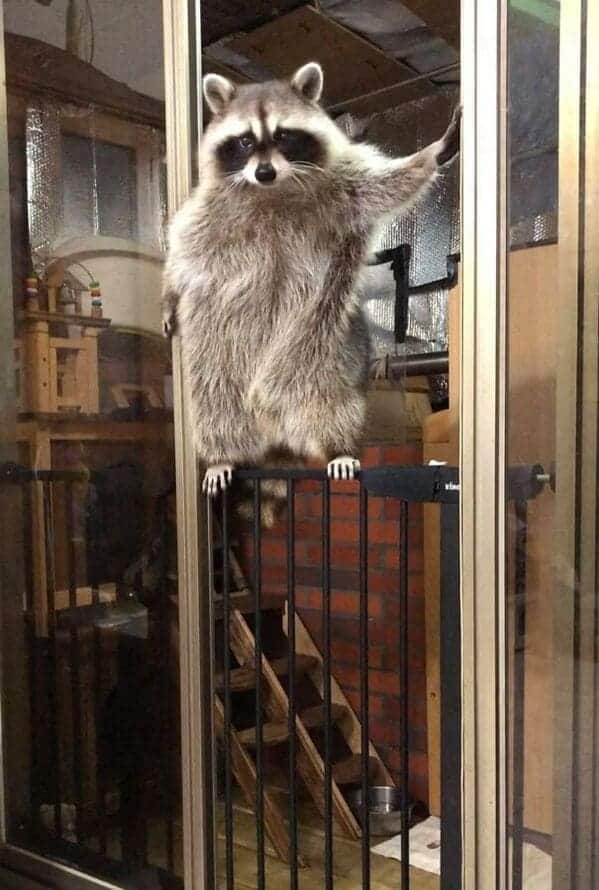
"My guy is relaxed."

"Magic expanding cat."

Connecting with animal imagery is a universal experience that transcends age and culture. Dr. Brené Brown, a researcher on vulnerability, emphasizes the power of shared experiences in building connections.
She asserts that sharing animal images can foster a sense of belonging and community, creating bonds that strengthen relationships. This shared joy can be particularly impactful in our increasingly digital world, where isolation can be prevalent.
Encouraging people to share their favorite animal images can enhance community engagement and connection.
"If your cats were as proud of you as your parents are."
"Heart of a goat."
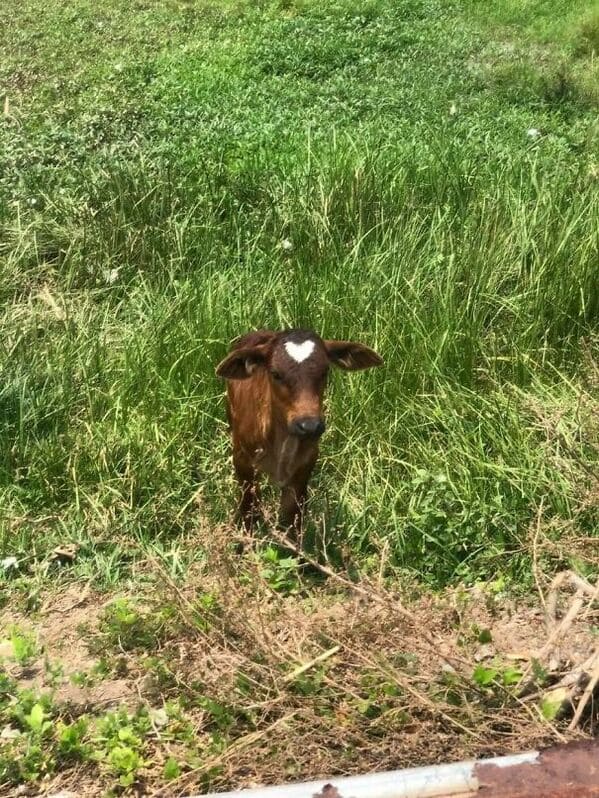
"A cat pouch."

The Impact of Animal Imagery on Well-Being
Research shows that engaging with animal imagery can significantly boost well-being. Dr. David Perlmutter, a neurologist, emphasizes that positive visual stimuli, such as animal images, can enhance brain function.
He recommends incorporating uplifting content into daily routines to combat stress and improve cognitive performance. For instance, individuals might create a daily ritual of viewing cheerful animal images to foster a more positive mindset.
This simple practice can lead to lasting benefits for mental health and overall wellness.
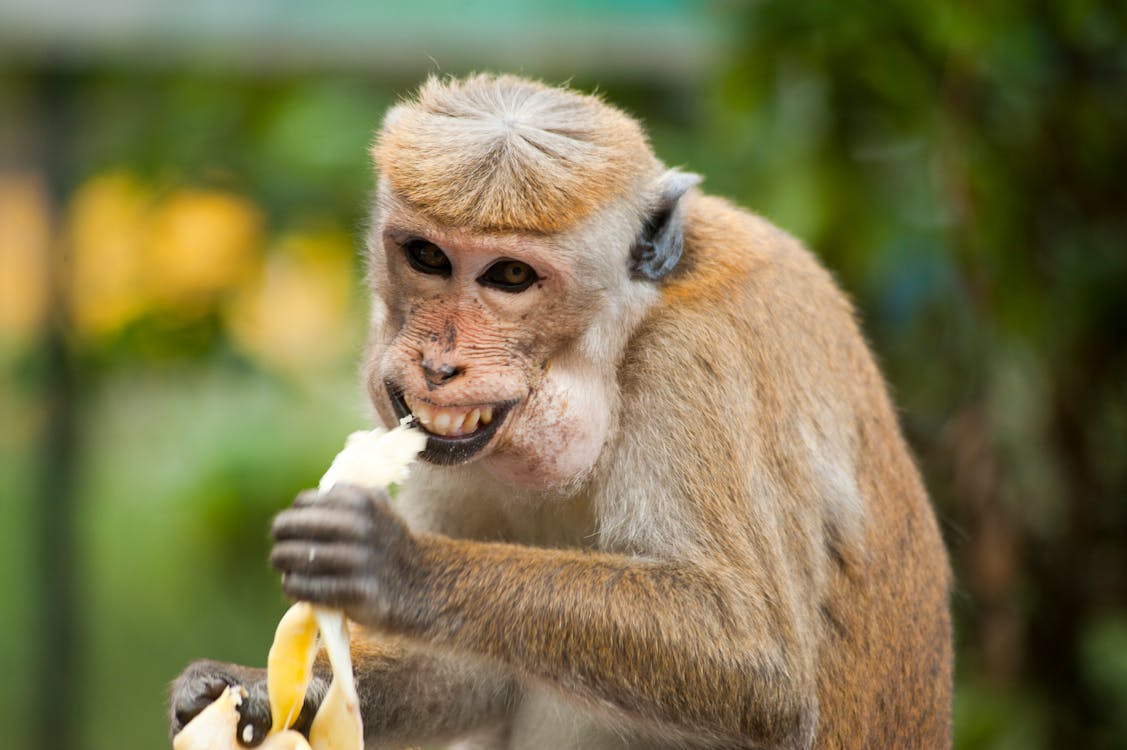
"Bananas aren’t beloved by all."

"Birthday… cake?"

"What is biting through that blanket?"

Engaging with animal imagery can also enhance creativity. Dr. Tim Ferriss, an entrepreneur and author, notes that visual stimuli can inspire innovative thinking.
By exposing ourselves to uplifting animal images, we can stimulate our imagination and develop new ideas. For creative professionals, integrating animal visuals into their workspaces can foster an environment conducive to inspiration.
Consider designating a corner of your workspace for uplifting animal images to enhance creativity and motivation.
"Show me that duckface, goat."
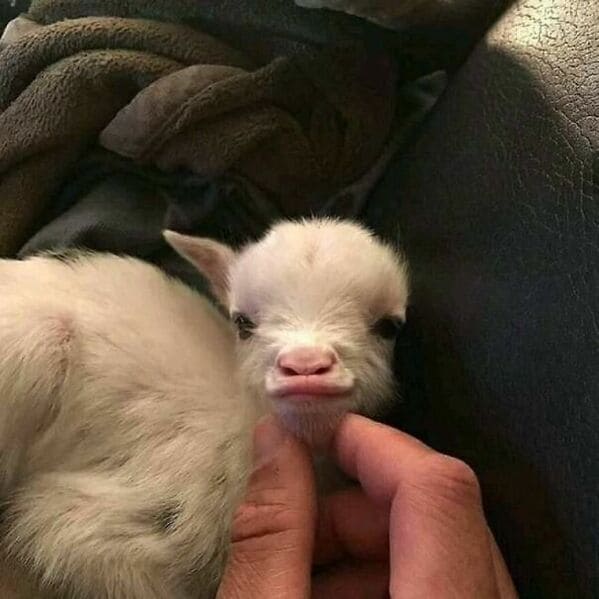
"He’s enjoying that ice cream."

"Worth the stretch."

Fostering Empathy Through Animal Imagery
Animal imagery can be a powerful tool for fostering empathy. Dr. Alison Gopnik, a developmental psychologist, explains that visuals of animals can evoke compassion and understanding.
When individuals encounter these images, they may feel compelled to act kindly towards others, enhancing social cohesion. This emotional response is crucial in promoting a more empathetic society.
Encouraging discussions about the feelings evoked by animal images can deepen understanding and connections within communities.
"A Mona Lisa Smile."

"Who so serious, frog?"
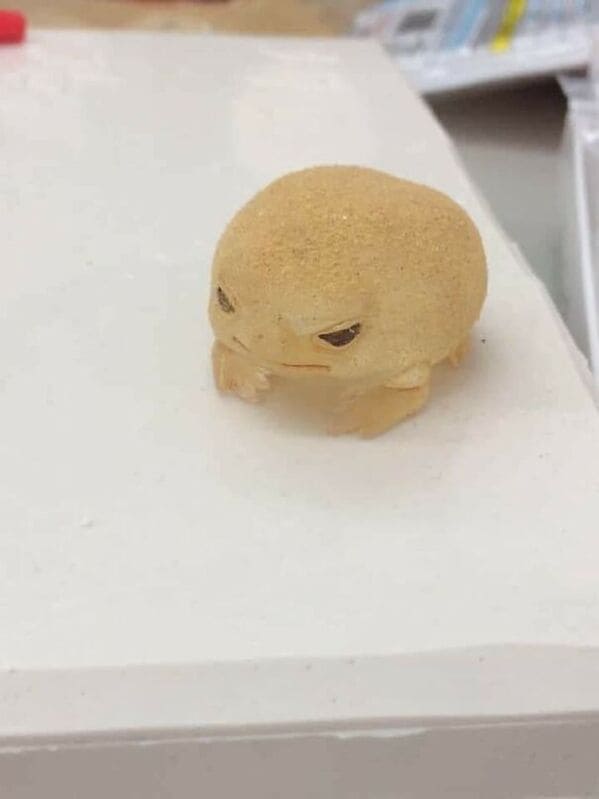
"Delicious."
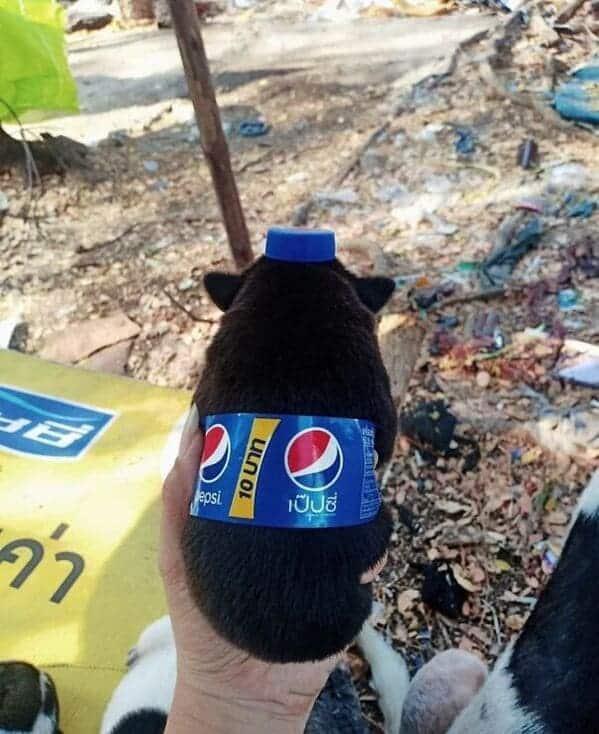
To maximize the benefits of animal imagery, individuals should consider incorporating it into daily routines. Dr. Lewis Howes, an entrepreneur and motivational speaker, suggests setting specific times to engage with uplifting content.
This practice can create a positive feedback loop, enhancing mood and fostering resilience. For instance, starting mornings with a few minutes of viewing animal images can set a positive tone for the day.
Such intentional habits can lead to significant improvements in overall mental well-being.
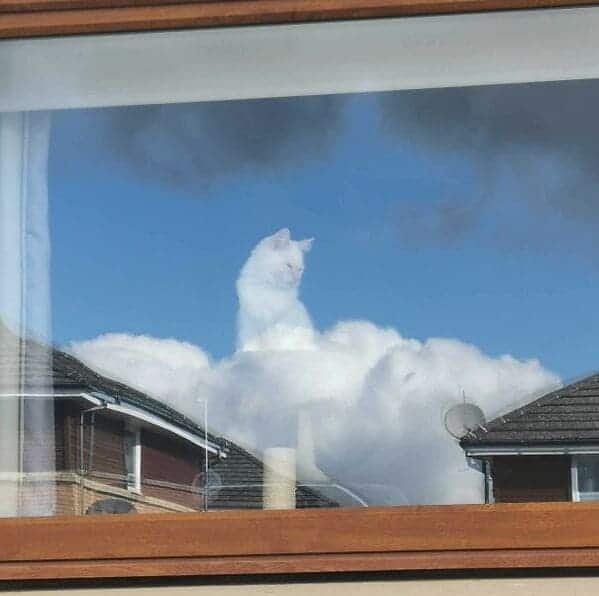
"Kneel before your God."
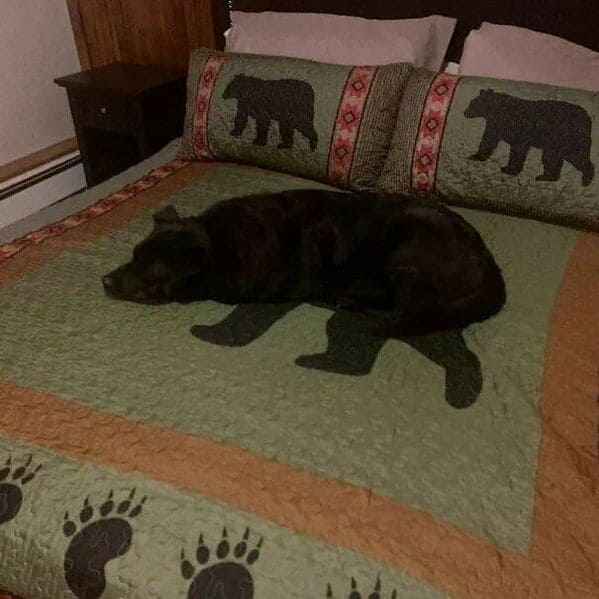
"Bear or dog?"
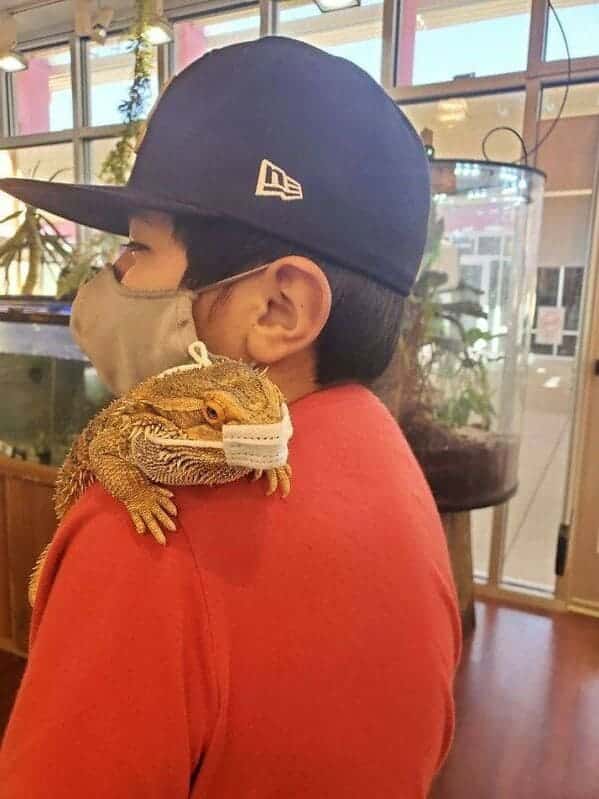
"Mask up, everyone."
F
The Internet offers many opportunities for joy and entertainment, with groups like “Important Animal Images” serving as prime examples. These communities bring together people who appreciate the fun and charm of animal photos, providing a welcome break from the everyday grind.
They demonstrate how even the simplest content can significantly impact happiness and foster connections among people from all walks of life.
Moving Forward: Actionable Steps
Engaging with animal imagery is more than just a delightful pastime; it has profound implications for mental health and community building. Experts across various fields emphasize the emotional benefits of these visuals, from fostering empathy to enhancing creativity.
By incorporating uplifting animal images into daily routines and encouraging community sharing, individuals can experience increased well-being and deeper connections with others. As we continue to explore the impact of these images, it's essential to recognize their potential to enrich our lives and create supportive communities.