
Is Natalie Reynolds Faking Empty Fan Events for Publicity?
Blurring the Line Between Reality and Performance

Damjan Milenkovic
- Published on
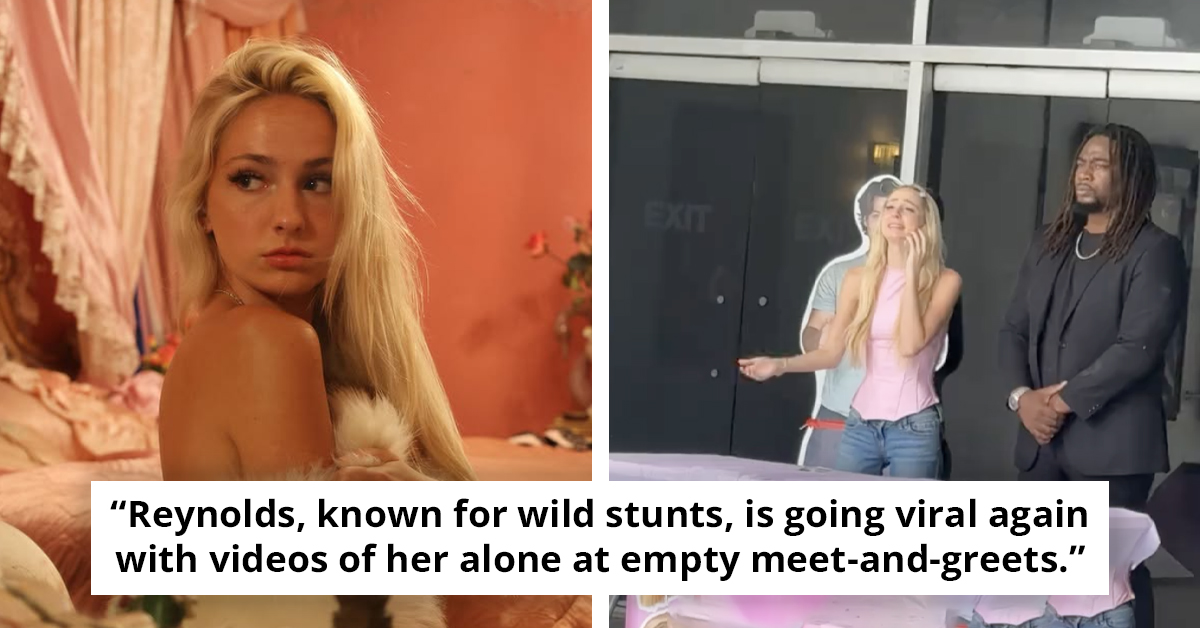
In the world of social media, it’s becoming increasingly difficult to distinguish between what’s real and what’s merely an attempt to grab attention. A perfect example is the latest buzz surrounding influencer Natalie Reynolds.
A video of her appearing heartbroken because no one showed up to her meet-and-greet has gone viral, but many are questioning whether it’s genuine or just another calculated stunt. Natalie Reynolds has built her reputation on creating content that ignites strong reactions.
She’s been labeled the queen of ‘rage bait’—online posts designed to stir outrage or anger solely to garner views and shares. Over the past few years, she’s become a familiar face on platforms like TikTok and Instagram for her outrageous antics and emotional videos.
However, as her fame has grown, so have questions about the authenticity of her videos. This isn’t the first time Reynolds’ emotional outbursts have sparked debate. In one memorable incident, she was caught crying outside a social media company’s Los Angeles office, pleading on the phone for her account to be reinstated.
Even then, people were divided on whether they were witnessing a genuine breakdown or a performance designed to elicit sympathy and go viral. Her most shocking moment, however, occurred in May 2024.
Reynolds, infamous for shocking stunts, is now going viral again with videos of her upset at empty meet-and-greets.
She filmed herself offering $20 to a woman, believed to be homeless, if she would jump into a lake. The woman declined, stating she couldn’t swim.
The video sparked outrage, with many calling it exploitative and heartless. Yet, despite the backlash, Reynolds continued to gain followers, demonstrating just how profitable controversy can be in the world of social media.
Now, Reynolds’ latest video has the internet buzzing once again. It was posted four days ago by the TikTok account @nick.marchand5, which appears to be entirely dedicated to following Reynolds around and filming her.
This account has shared clips of her standing at various locations for supposed meet-and-greets, usually accompanied by a security guard. In every video, she looks visibly upset, and in some, she’s seen talking on the phone as if venting her frustration about no one showing up.
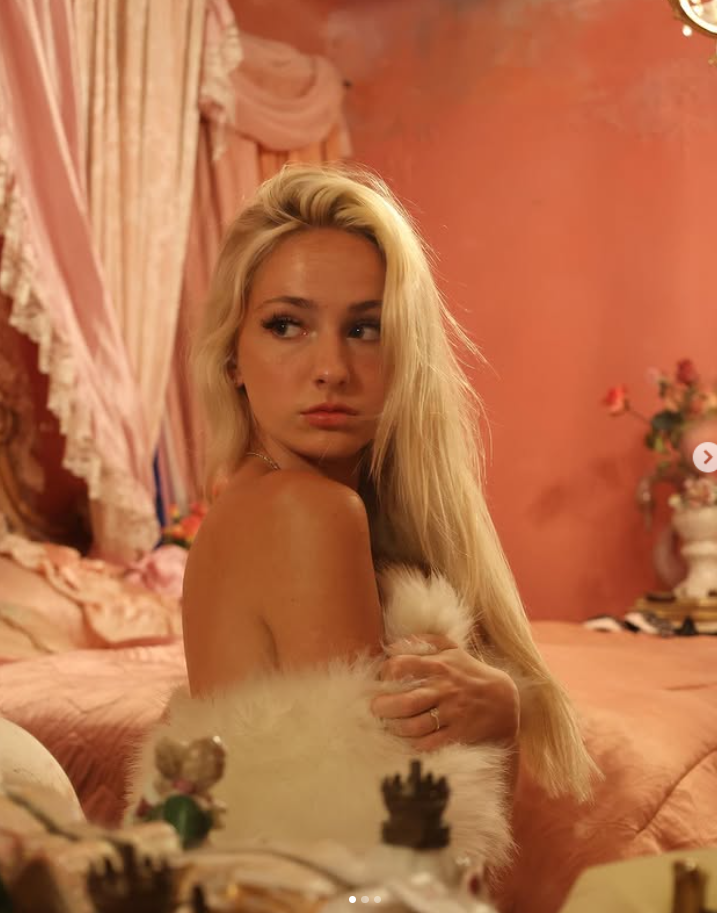
What’s interesting is how perfectly these videos seem designed to keep Reynolds in the spotlight. The account has posted ten different videos of these awkward meet-and-greets in various locations, and together, they’ve amassed an astonishing 51.8 million views.
That’s a huge number of eyes on content that some suspect is entirely staged. Scrolling through the comments, it’s clear that many viewers don’t believe Reynolds is genuinely upset. Instead, they perceive the videos as a clever way to keep her name trending.
In the swirling chaos of social media, Natalie Reynolds' recent antics raise eyebrows and provoke questions about authenticity. Her displays of heartbreak, particularly in the context of seemingly empty fan events, suggest a deeper strategy at play—one that aligns with the widely recognized concept of attention-seeking behavior. In an era where online engagement is often equated with personal worth, it is not surprising that individuals might craft their narratives to draw in an audience. The notion that someone could manipulate their online presence for visibility resonates strongly in today's influencer culture. As viewers sift through the noise, they must consider whether Reynolds is genuinely in distress or merely playing into a script designed to maximize her reach and engagement.
"I love you Natalie it’s okay❤️"
One person summed up the mood perfectly, writing,
“Y’all plsss this is literally all just marketing; it’s all set up to give her more attention, a publicity stunt if you will. Of course, she knows she’s hated, and she’s using it for her gain.”
Another commenter pointed out suspicious details that hint at a setup.
“Upon closer inspection, I think this might be a marketing stunt. The entire thing. Just look at this account, for instance; the only videos are of them hiding behind a beam ‘secretly’ filming her. This account is probably operated by her as a hook to get people to go see her account. Pretty smart.”
A third person didn’t mince words, adding,
“Okay, so we all understand she or a friend obviously runs this account, right?”
Their skepticism isn’t without reason. The account @nick.marchand5 posts only content about Reynolds, and every video feels carefully curated to fuel conversation, whether it’s sympathy for her apparent loneliness or outrage over her attention-seeking behavior.
It’s a cycle that benefits Reynolds either way: people who love her keep watching, and those who hate her can’t stop talking about her.
This situation reveals a larger problem with influencer culture today. As social media personalities compete for attention, the line between real life and performance becomes increasingly blurred.
Many influencers willingly blur that line, knowing that controversy and viral moments can lead to more followers, sponsorship deals, and income. Natalie Reynolds seems to be a clear example of this approach in action.
So, is Reynolds truly upset that no one showed up, or is this just another tactic to keep her brand in the spotlight? The truth may not matter much; either way, people are watching, and that’s exactly what keeps her relevant.
Natalie Reynolds' recent events highlight a growing concern regarding the concept of performativity in social media. This phenomenon involves the intentional crafting of an online persona aimed at eliciting specific reactions from followers. The emotional video of Reynolds, which portrayed her as heartbroken, raises questions about the authenticity of her experiences. In an era where social media thrives on curated identities, influencers like Reynolds may feel compelled to selectively share aspects of their lives or even exaggerate situations to captivate their audience. The pressure to maintain a flawless online presence can drive individuals to construct narratives that do not align with their true realities, leaving followers to grapple with the authenticity of what they see. As Reynolds navigates this scrutiny, it becomes increasingly important to question the motives behind such displays and their impact on both the influencer and their audience.
The Impact of Social Media on Perception of Reality
It's important to remember the influence of social media on our perceptions of reality. This phenomenon can lead individuals to believe they are more successful, happier, or more popular than they truly are. Such dynamics could certainly play a role in situations like Reynolds', where the line between reality and performance becomes increasingly blurred.
Ultimately, the controversy surrounding Natalie Reynolds raises important questions about the authenticity of online personas. Her recent display of distress over empty fan events suggests a deeper commentary on the nature of social media and the lengths to which influencers may go to maintain relevance. In an environment where attention is currency, behaviors that blend performance and personal experience can lead to blurred lines between genuine emotion and calculated publicity. As we analyze her actions, it becomes apparent that the curated images we encounter often hide underlying insecurities and a relentless pursuit of validation. Thus, it is essential for audiences to engage with social media content critically, recognizing the complexities that shape these narratives.