
30+ Outrageous Old-School Parenting Photos That Would Be Scandalous Today
You might hear older folks say, "Back in my day, things were done differently."

Damjan Milenkovic
- Published on
Parenting today is different from how it was in the past. You might hear older folks say, "Back in my day, things were done differently," or comment on how kids today seem more sensitive. They're not wrong, but there are good reasons why parenting has changed.
One significant change is safety. Nowadays, we ensure kids wear car seatbelts and warn pregnant women not to smoke. However, in the past, safety rules were not as strict. Old photos of parents with their kids often show them without seatbelts or safety gear in cars, which we now know is risky.
Discipline used to be stricter, too, with more parents using spanking. Now, there's a focus on positive reinforcement and discussing things with kids.
Health and food advice has also changed. In the past, what kids ate wasn't always balanced or healthy. Now, we understand how important good nutrition is for growing bodies.
Roles in families have also shifted. Today, moms and dads share more responsibilities at home, unlike before when roles were more traditional.
Today, parents have more information at their fingertips. The internet helps us learn the best ways to raise happy and healthy kids, allowing parents to make better choices. Take a look at these old-school parenting photos, and you'll see what we're talking about:
1. “Dad: Let’s take a picture that will make Mom angry, 1970”
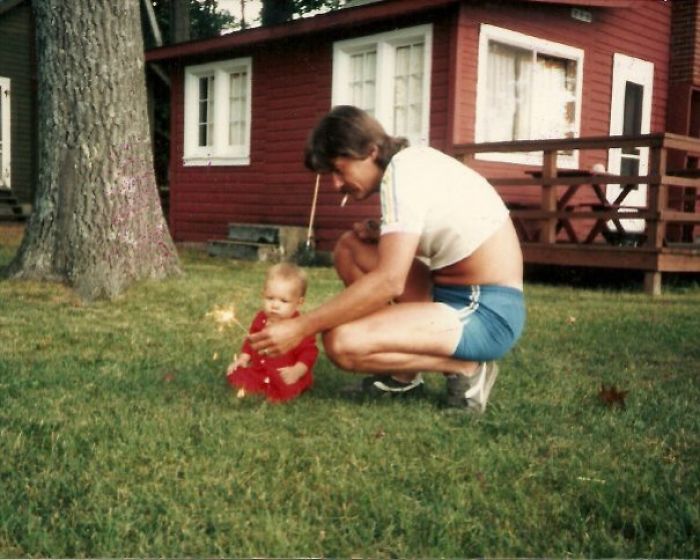
2. “My dad showing off his parenting skills, 1985.”
3. “How kids became legends, 1990s.”
Changing Parenting Norms
Dr. Penelope Leach, renowned child psychologist, emphasizes that parenting norms evolve as societal values shift. In earlier generations, less emphasis was placed on emotional support and safety, with many parents relying on strict discipline.
Today, research indicates that nurturing environments foster better emotional and cognitive development in children. Leach argues that modern parenting reflects a deeper understanding of child psychology, allowing parents to balance discipline with affection, ultimately leading to healthier emotional outcomes.
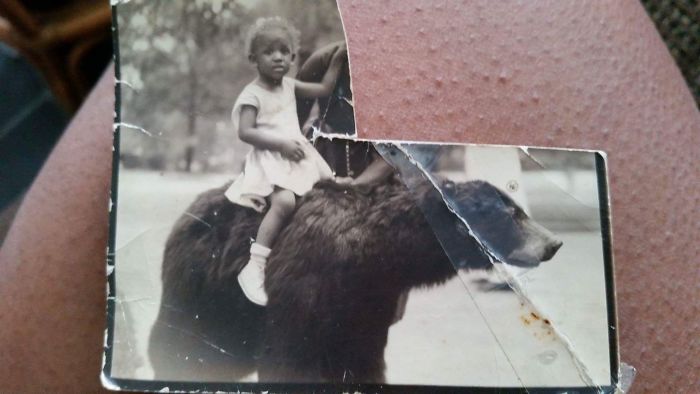
4. “My mother-in-law riding a bear at 2 years old.”
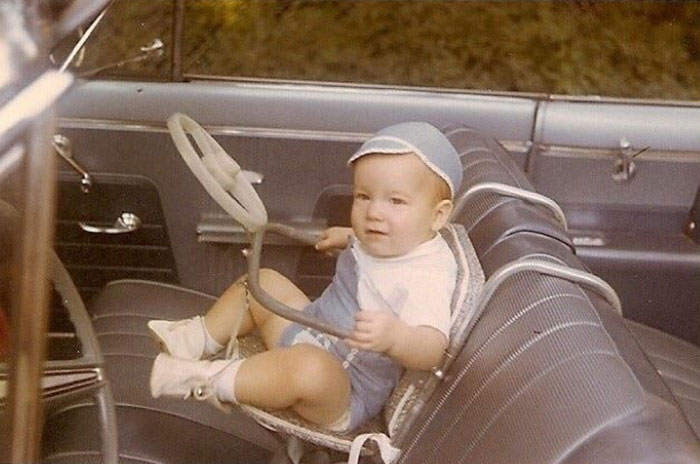
5. “Back in the day, 1950s to be exact. Check out that car seat.”
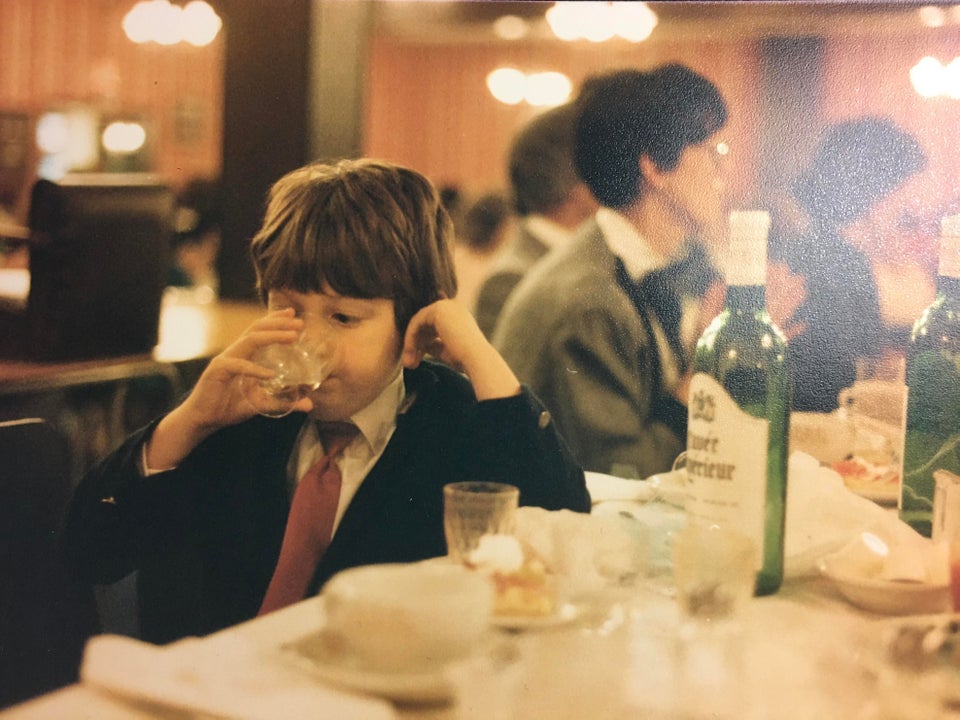
6. “Stealing a drink of wine at a wedding while my mom (behind me) isn’t looking, 1987.”
Experts in pediatric health have noted a significant increase in awareness around child safety in recent decades. Dr. Michael Thompson, a child psychologist, points out that strict safety regulations regarding car seats and home safety measures aim to protect children in ways that were often overlooked before.
This shift not only reflects a more informed understanding of child development but also highlights the societal responsibility to prioritize children's well-being. Parents are encouraged to stay informed about safety practices, utilizing resources like safety courses and community workshops.
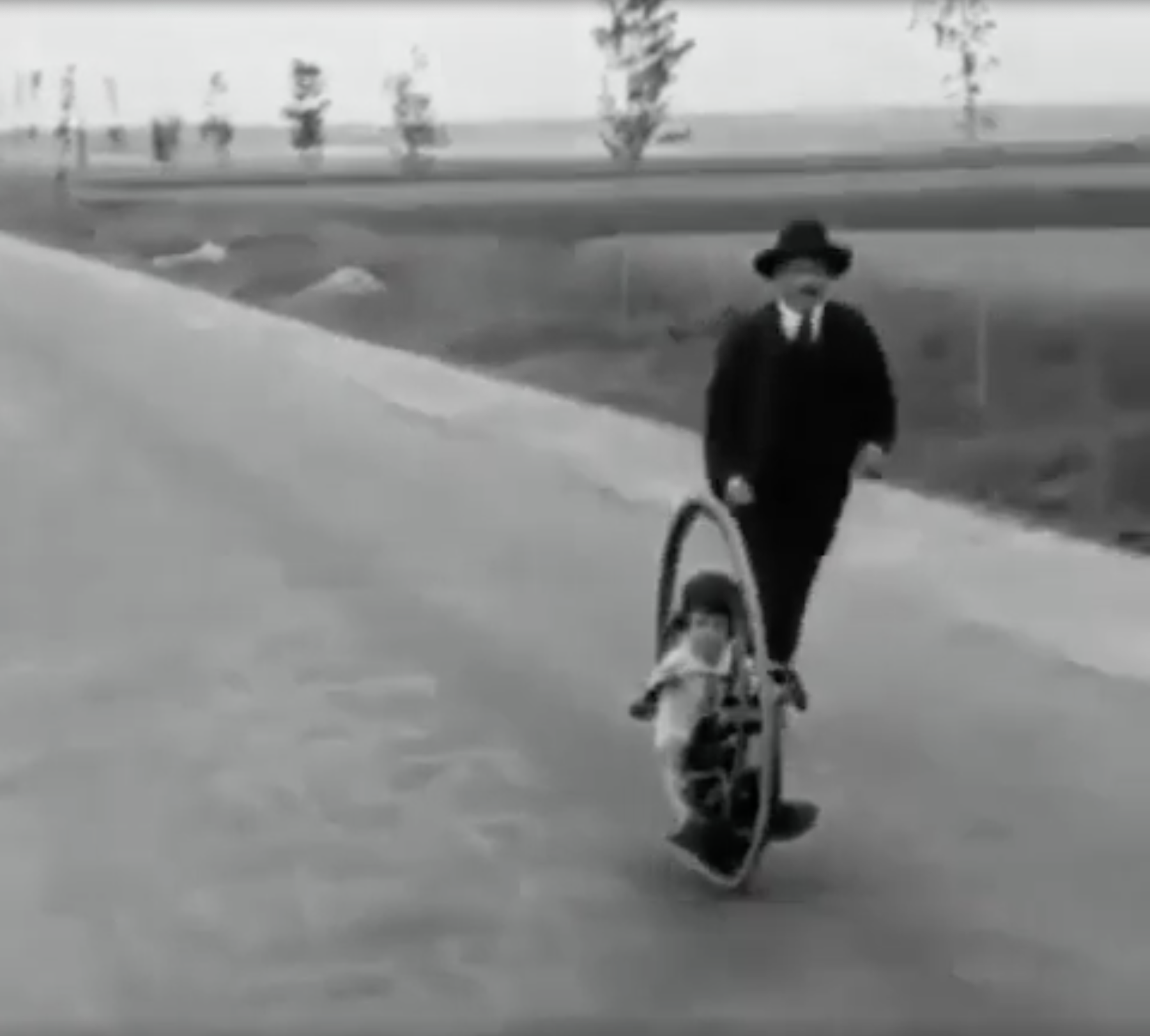
7. “Children’s Motor Wheel, 1927”
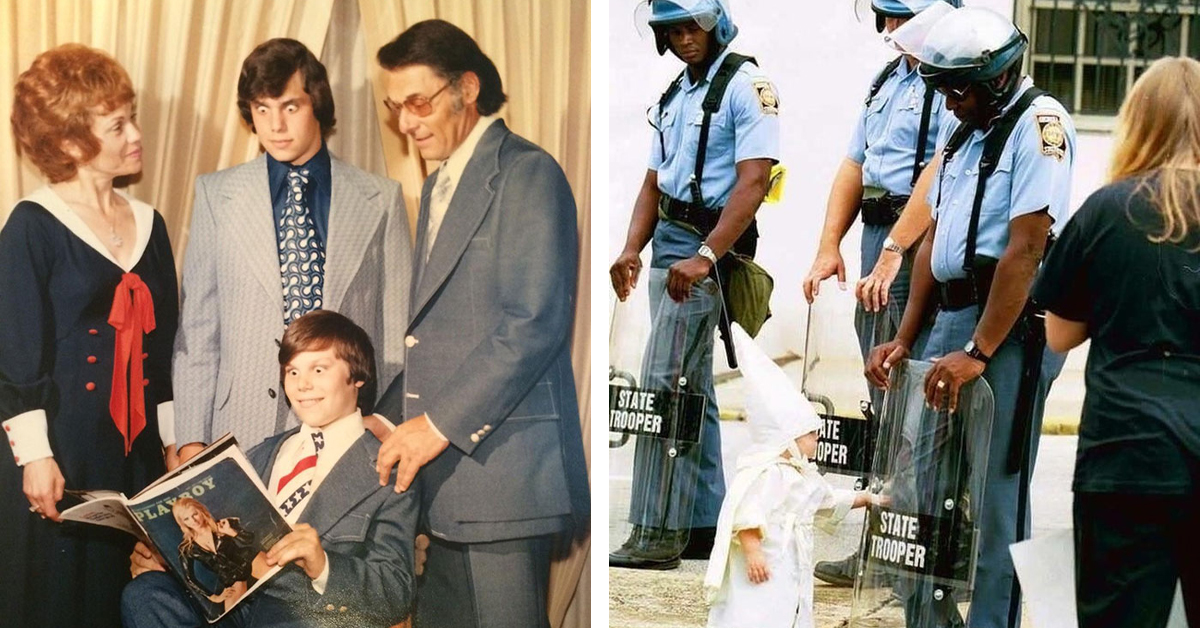
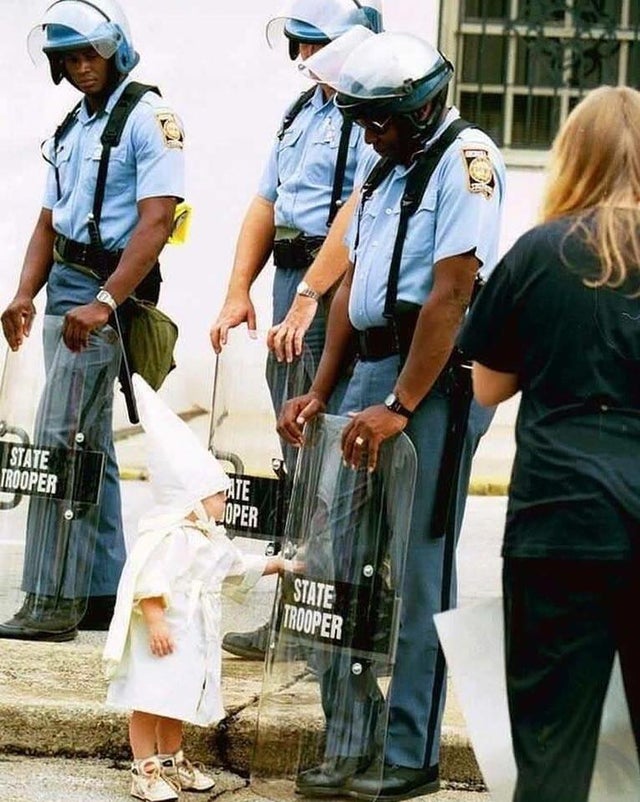
8. “No One is Born Racist, 1992”
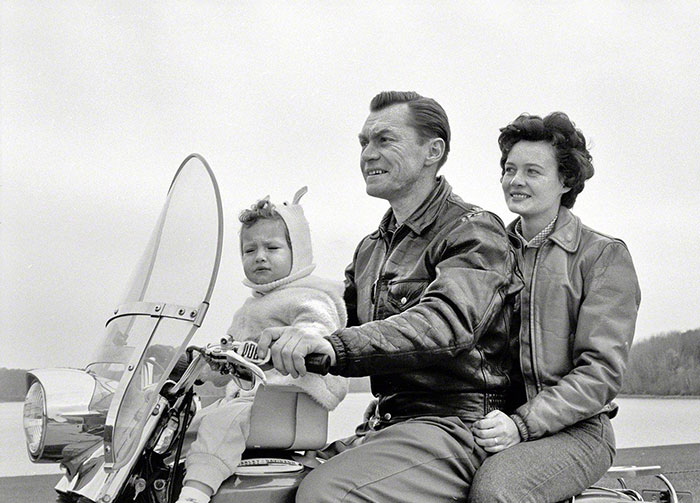
9. “Harley with a baby seat, 1962.”
Media Influence on Parenting Styles
The rise of social media and parenting blogs has transformed how parents share and receive advice. Parenting expert Dr. Janet Lansbury notes that platforms like Instagram can create unrealistic expectations, leading parents to compare themselves to curated images of parenting.
While online communities can provide support, they can also perpetuate feelings of inadequacy. Lansbury recommends that parents focus on their unique family values and experiences rather than striving for societal ideals. This individual approach can foster a healthier mindset and strengthen family bonds.
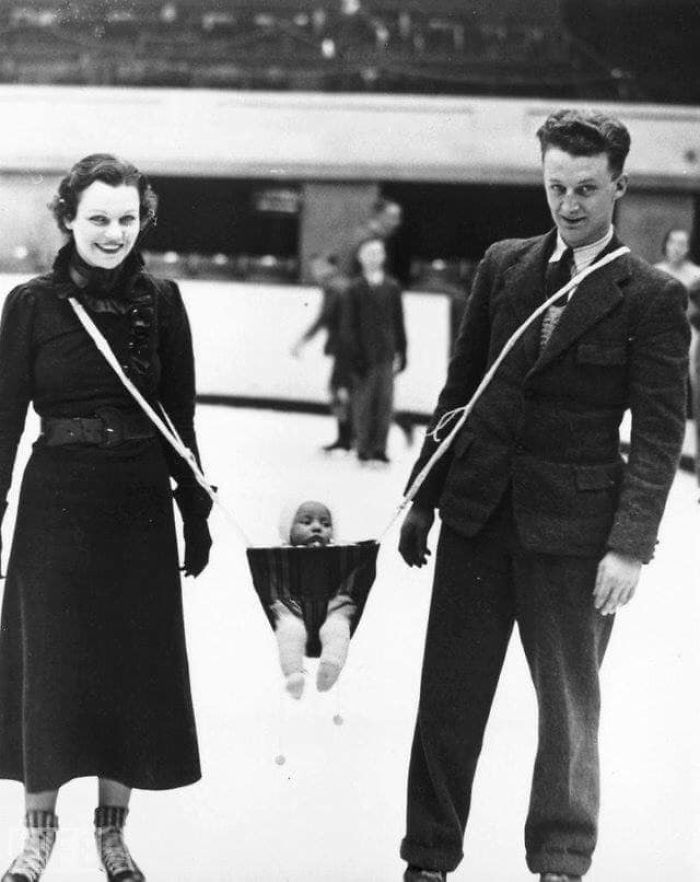
10. “A couple ice skating with their baby, 1937.”
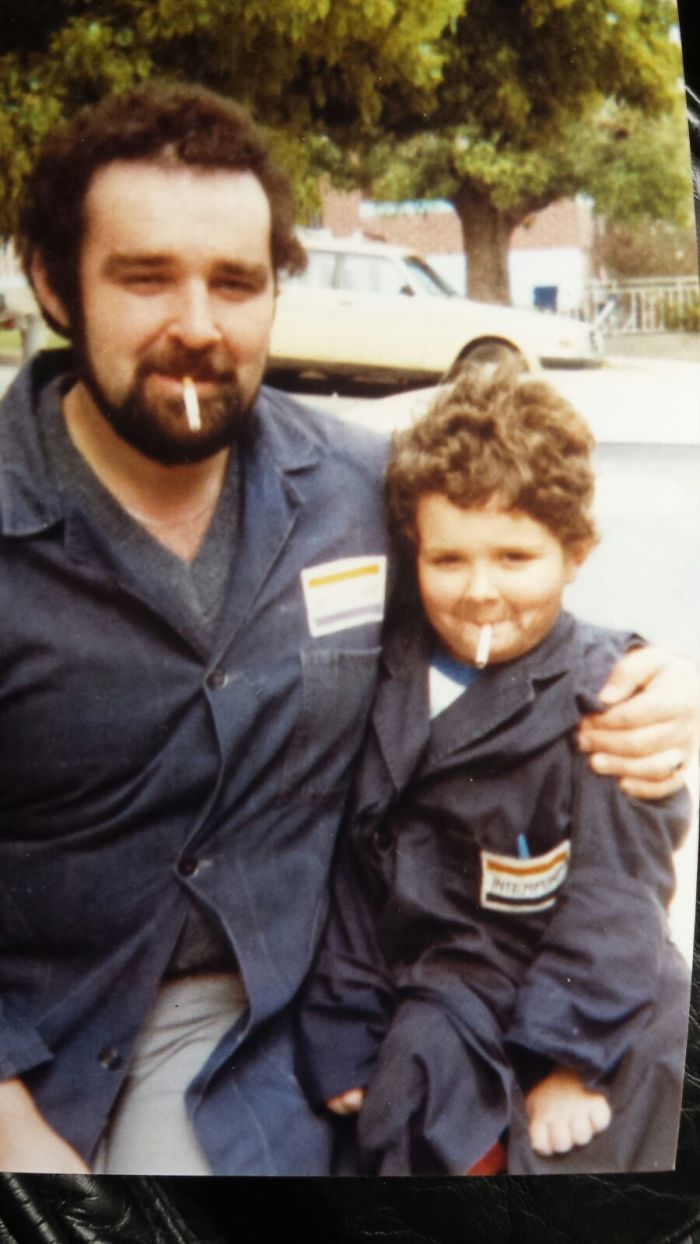
11. “A photo of me dressed up as my Dad, with my Dad, 1982.”
12. “My mom showing off her parenting skills, 1978.”
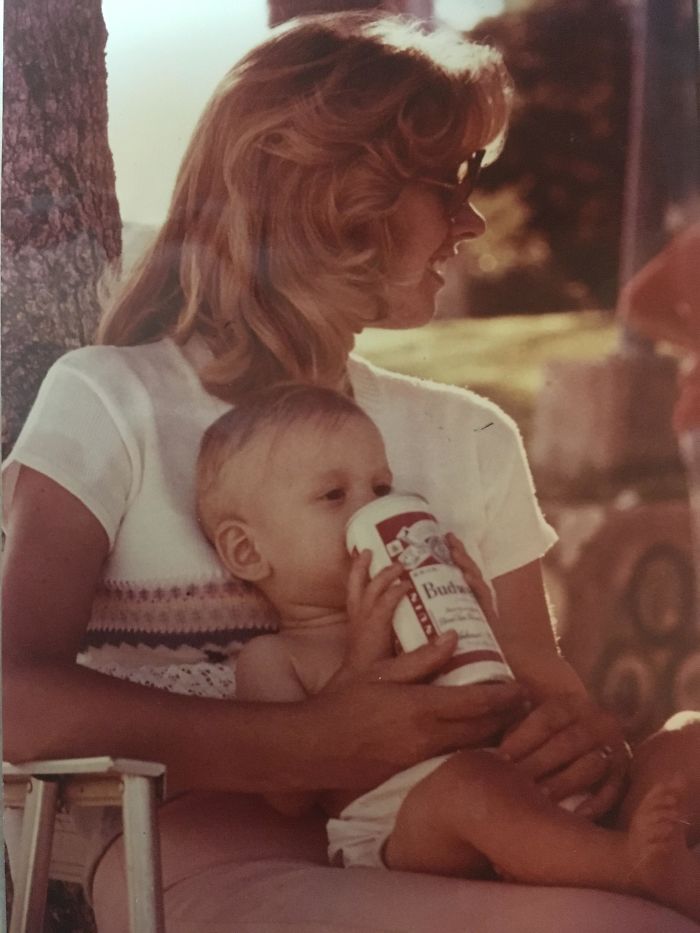
Dr. Harvey Karp, renowned pediatrician and author of 'The Happiest Baby on the Block,' explains that many old-school parenting practices, such as allowing children to roam freely, were based on different societal norms and safety perceptions.
He advocates for a balanced approach that respects a child's need for independence while ensuring safety. Parents could benefit from structured playdates and community activities that allow children to explore while under supervision, merging the old with the new in a practical way.
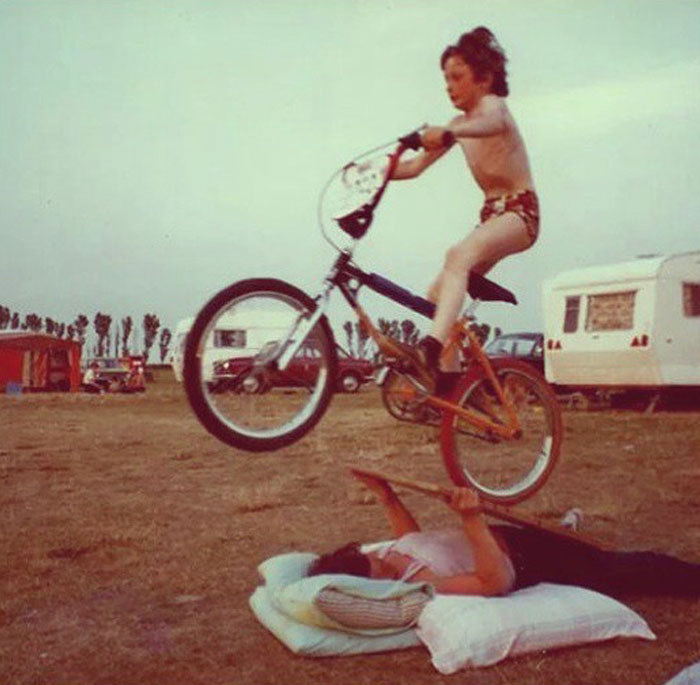
13. "The ultimate BMX mom."
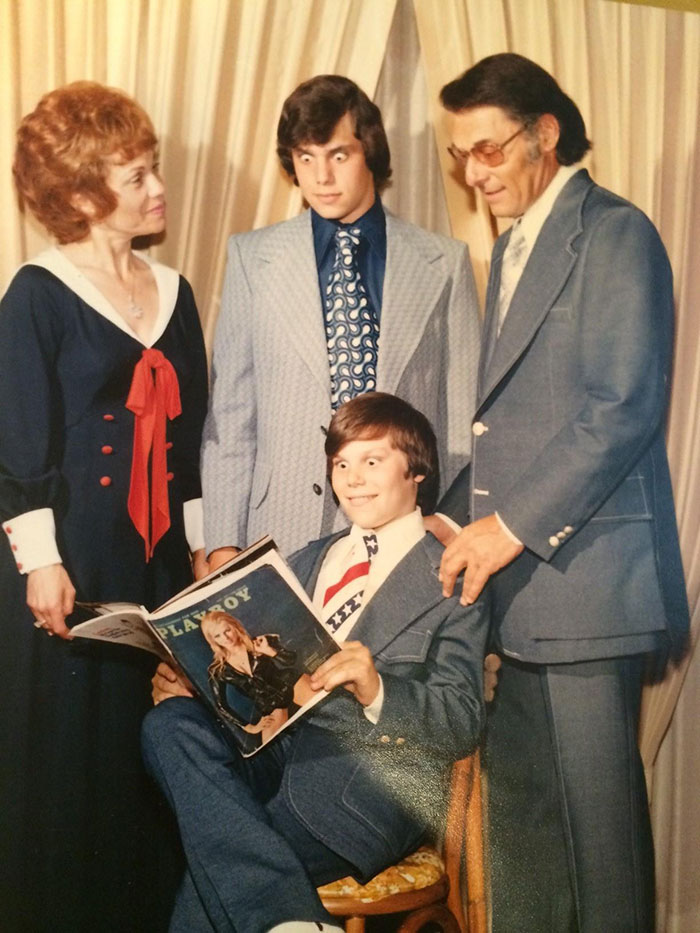
14. “My hilarious father (with the magazine) and my grandfather, grandmother, and uncle at his Bar Mitzvah in 1972.”
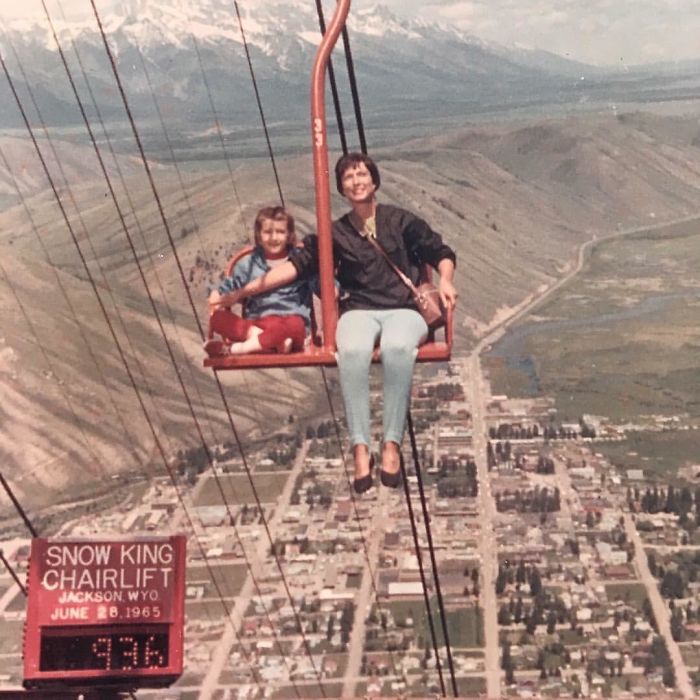
15. “My mother and grandmother demonstrating safety standards in the 1960s.”
The Role of Emotional Intelligence
Emotional intelligence has become a focal point in modern parenting discussions. Dr. Dan Siegel, a clinical professor of psychiatry, notes that parents today are more likely to prioritize teaching children about emotions and empathy.
Research shows that children raised in emotionally supportive environments tend to have better social skills and resilience. Siegel encourages parents to model emotional regulation and communication, suggesting practices like family discussions about feelings to help children develop these vital skills.
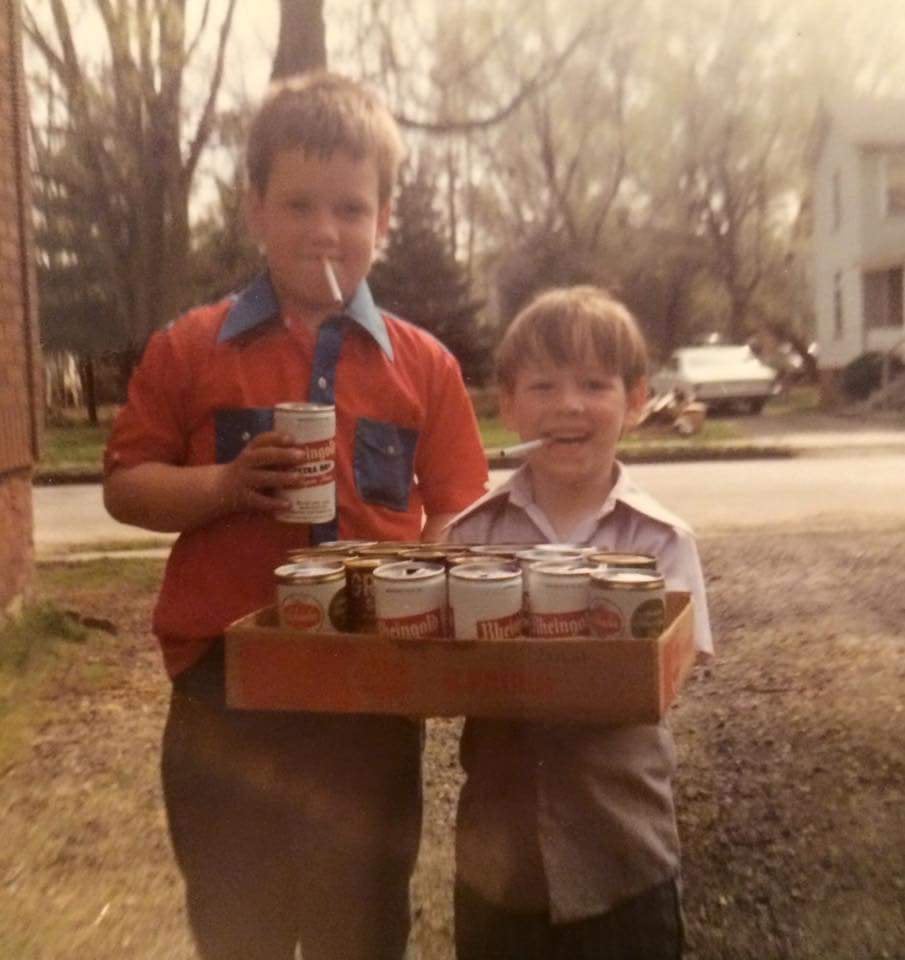
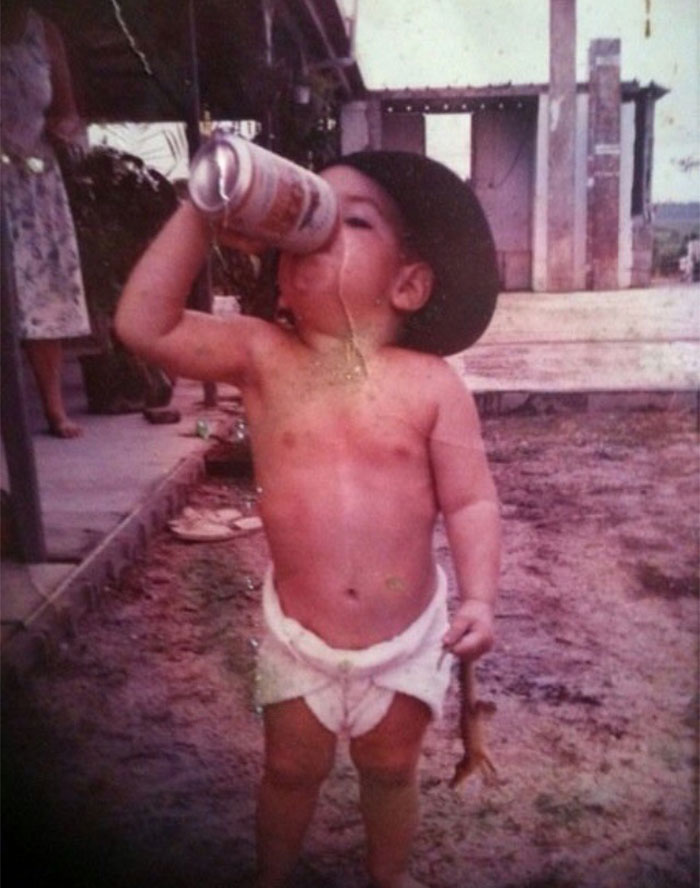
16. “Me back in 1991, just your typical Aussie kid drinking XXXXlight beer and holding a baby crocodile!”
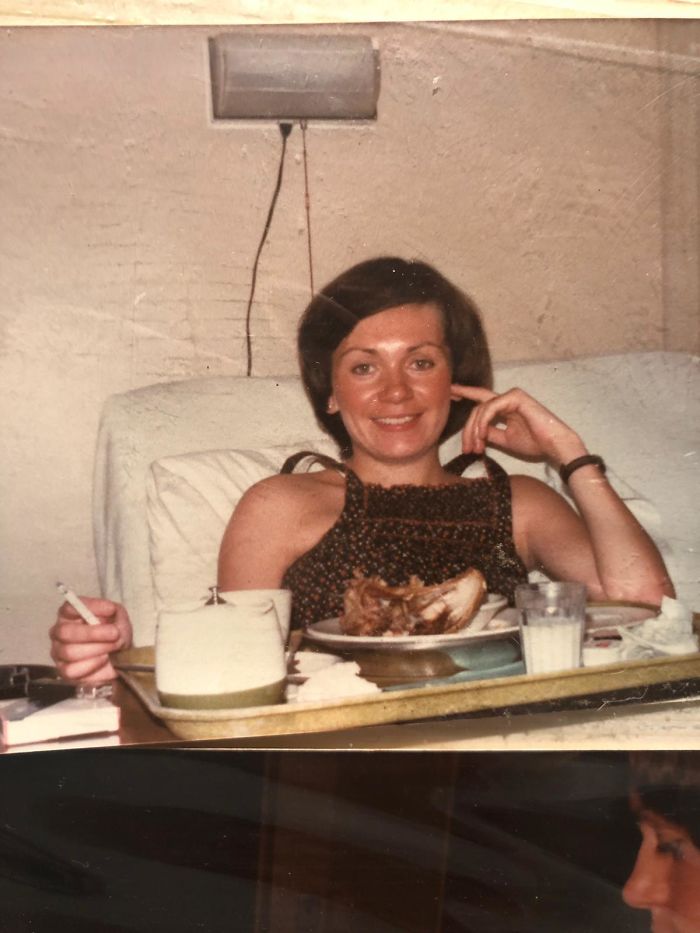
17. “My mom in the hospital after giving birth to my sister, Canada 1978. Smokes and roasted chicken, eh!”
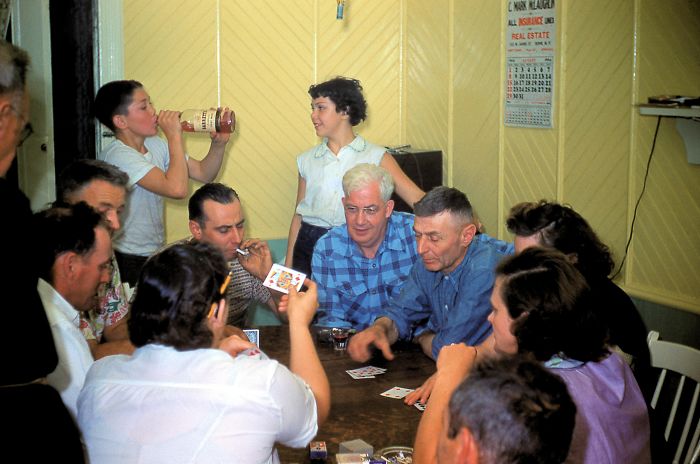
18. “13-year-old Dad having a taste while the grownups are busy playing cards; upstate New York, August 1954.”
A relationship expert highlights the importance of maintaining a strong parental partnership while raising children. Studies show that parental conflict can adversely affect children's emotional well-being.
Therapists recommend regular check-ins between partners to discuss parenting strategies. By establishing a united front, parents can provide a stable environment for their children, which is essential for emotional security. Resources such as couples therapy or parenting workshops can further strengthen parental bonds.
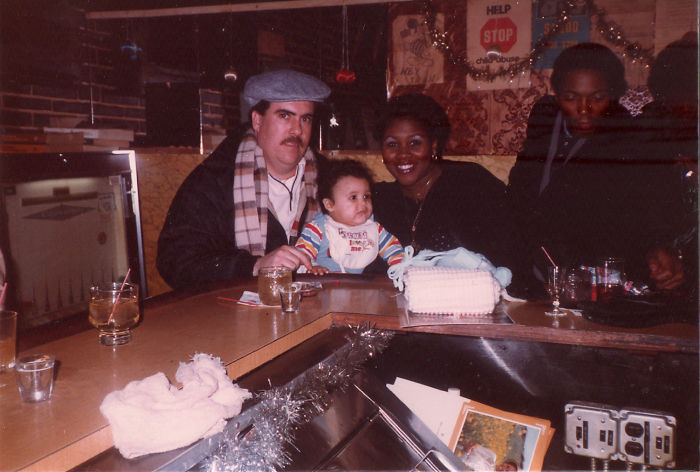
19. “Infant me, my mother & father at a bar because that’s how parents rolled in the early ‘80s.”
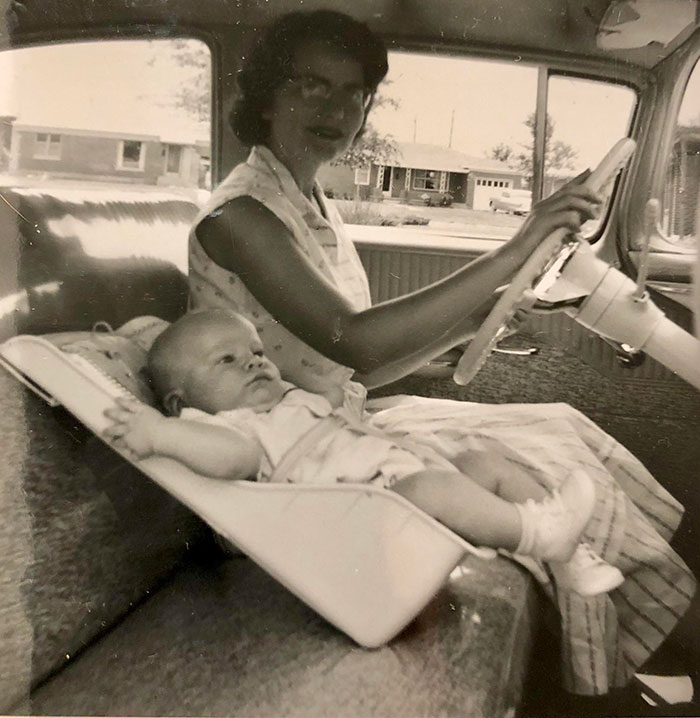
20. “Car seat safety in 1958. Not strapped into anything, these seats relied on the mother to put her arm out and stop the baby from falling forward.”
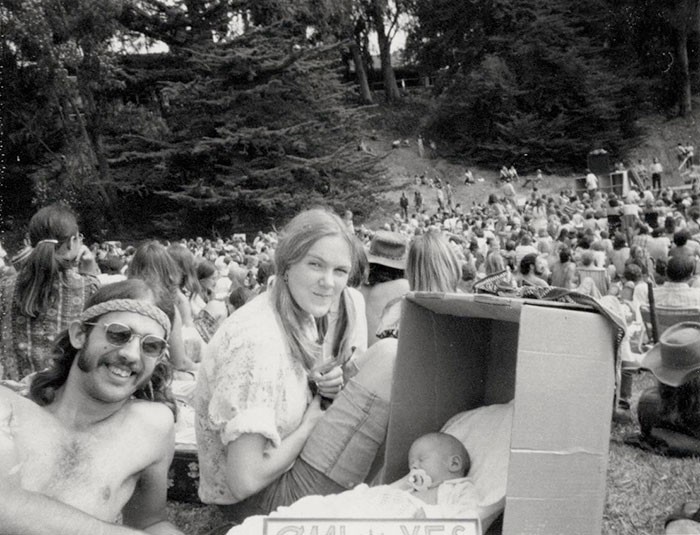
21. “California marijuana initiative rally, 1972. That’s me in the box and my parents in the picture.”
Safety Awareness and Parenting
Today's parenting landscape is characterized by heightened safety awareness. Pediatricians like Dr. David Katz emphasize that parents must be proactive in educating themselves about potential dangers.
This includes understanding childproofing their homes and keeping up with safety guidelines for everything from car seats to playground equipment. Katz suggests that parents participate in community workshops and seek out reputable online resources to stay informed, ensuring they provide a safe environment for their children to thrive.
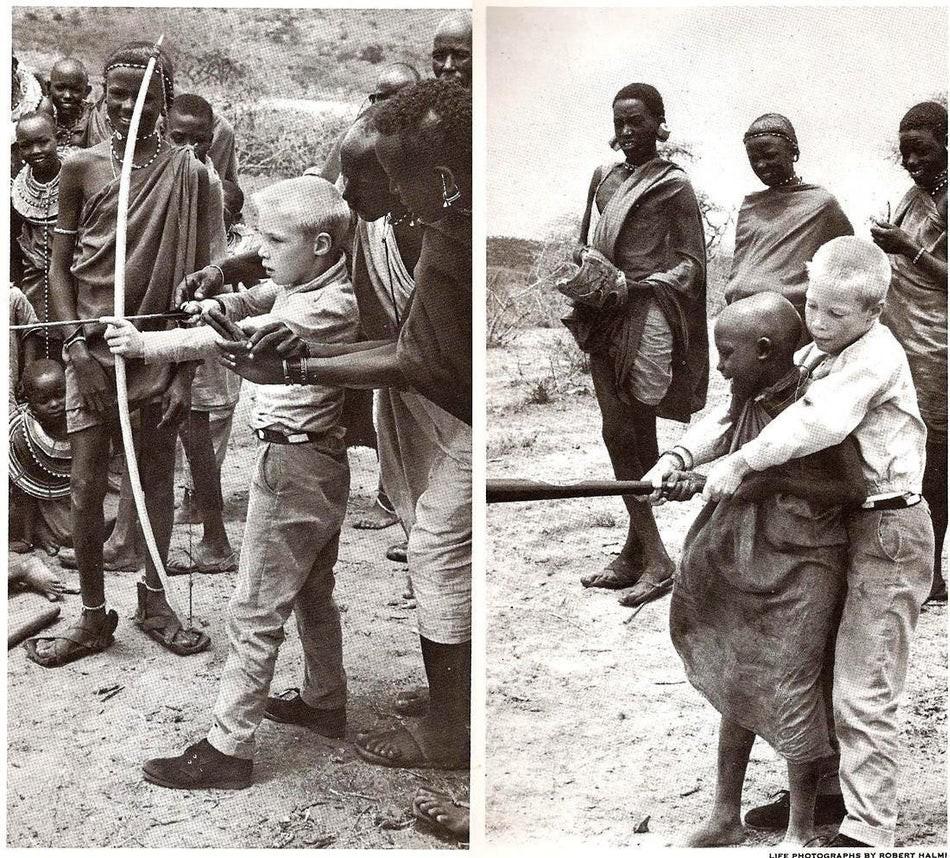
22. “Two boys embracing each other’s culture, 1965”
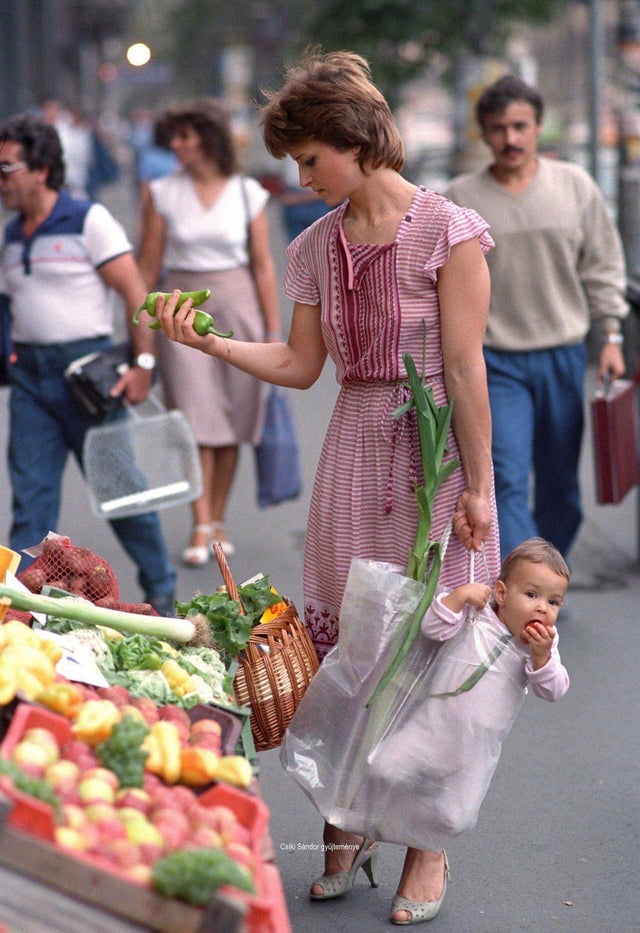
23. “Budapest Marketplace, 1984”
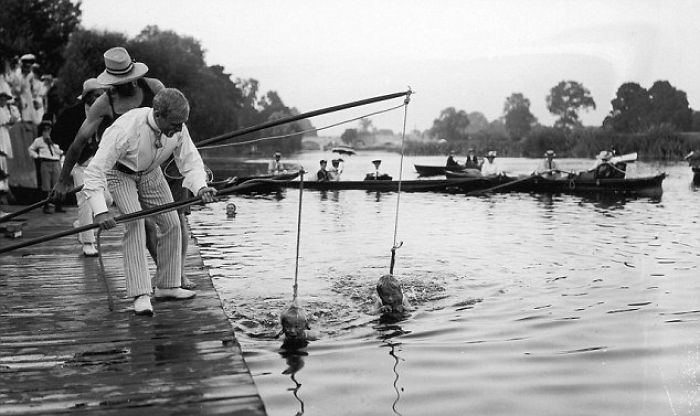
24. “The pinnacle of parenting: 1930s swimming lesson.”
Dr. William Sears, a pediatrician and parenting expert, points out that many old-school parenting photos reveal practices that would raise eyebrows today. For instance, children riding in cars without seatbelts was once commonplace.
He urges parents to embrace modern safety standards and adapt their parenting practices to reflect current knowledge. Parent education programs can assist in bridging the gap between past and present parenting styles, ensuring children’s safety remains paramount.
25. “I was not a popular child, 1995.”
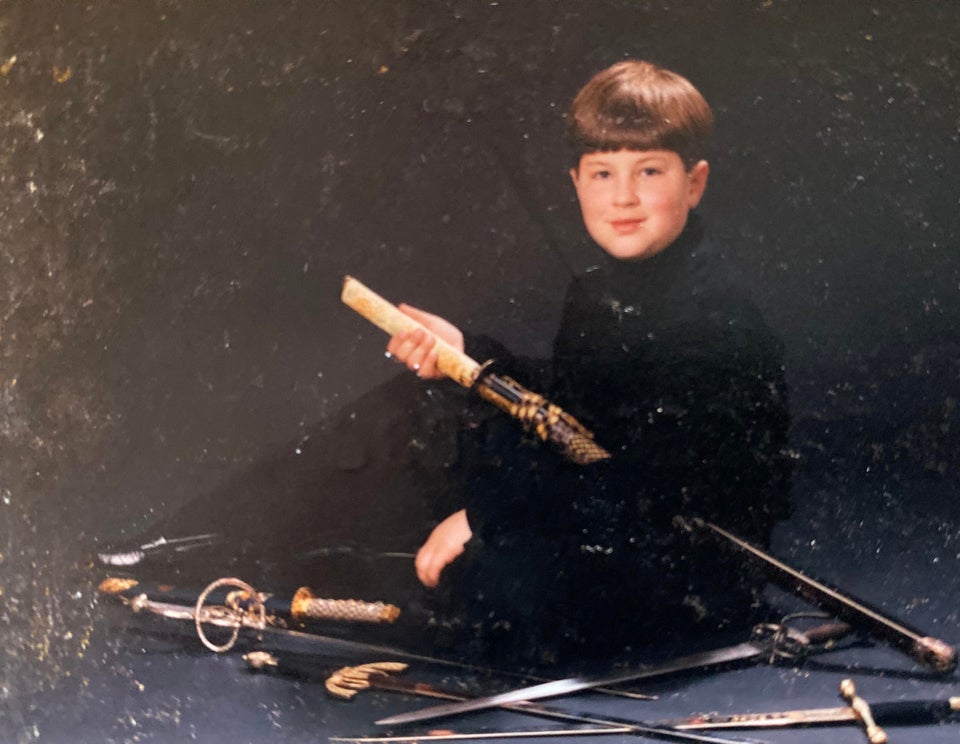
26. “Just a photo of yours truly (at 11 years old) petting a full-grown tiger. My mom calls it her ‘Bad Parenting Moment.’”

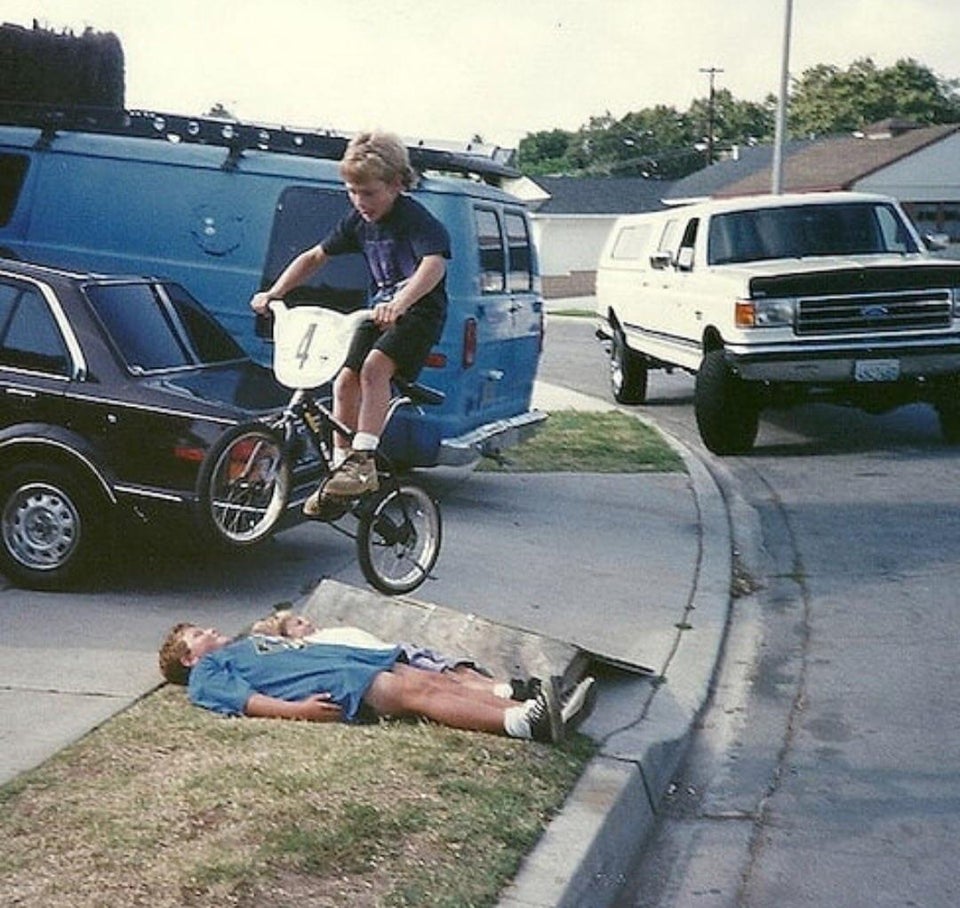
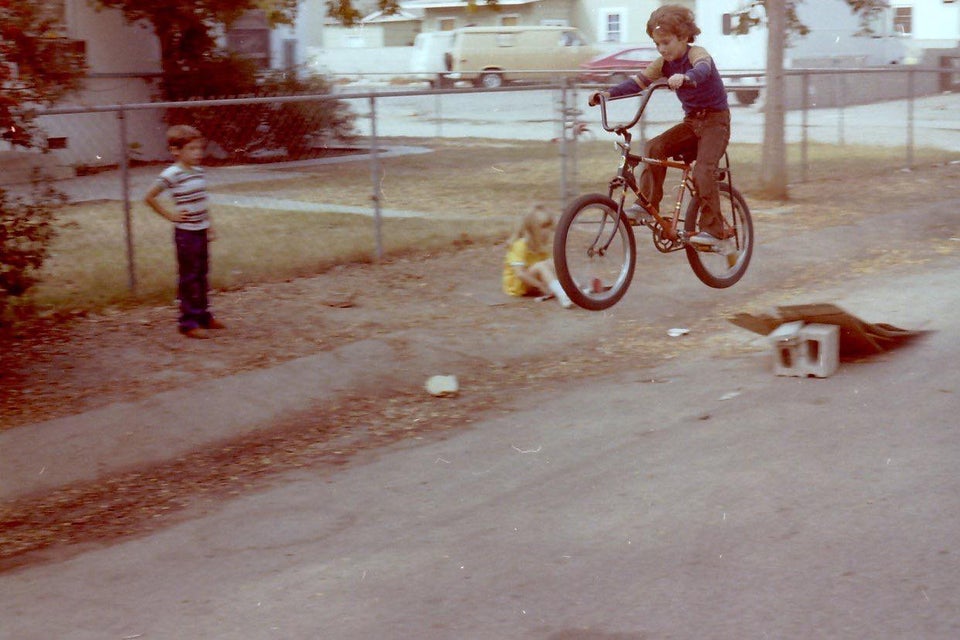
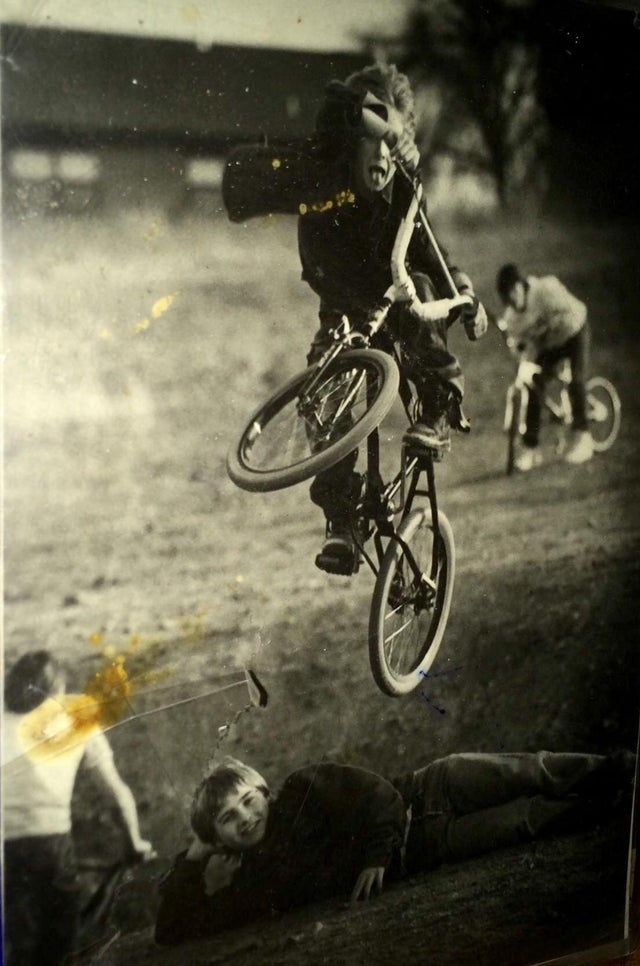
27. “Getting serious helmet-less air in the San Fernando Valley, circa mid-70s”
Cultural Reflection in Parenting
Parenting styles often reflect broader cultural attitudes. Dr. Judith Warner, a cultural observer, notes that shifts in societal values have influenced how parents view authority and discipline.
Modern parents often prioritize open communication over strict discipline, a change noted in many cultural contexts. Warner suggests that parents examine how their own upbringing influences their parenting style, allowing them to consciously choose practices that align with their values and their children’s needs.
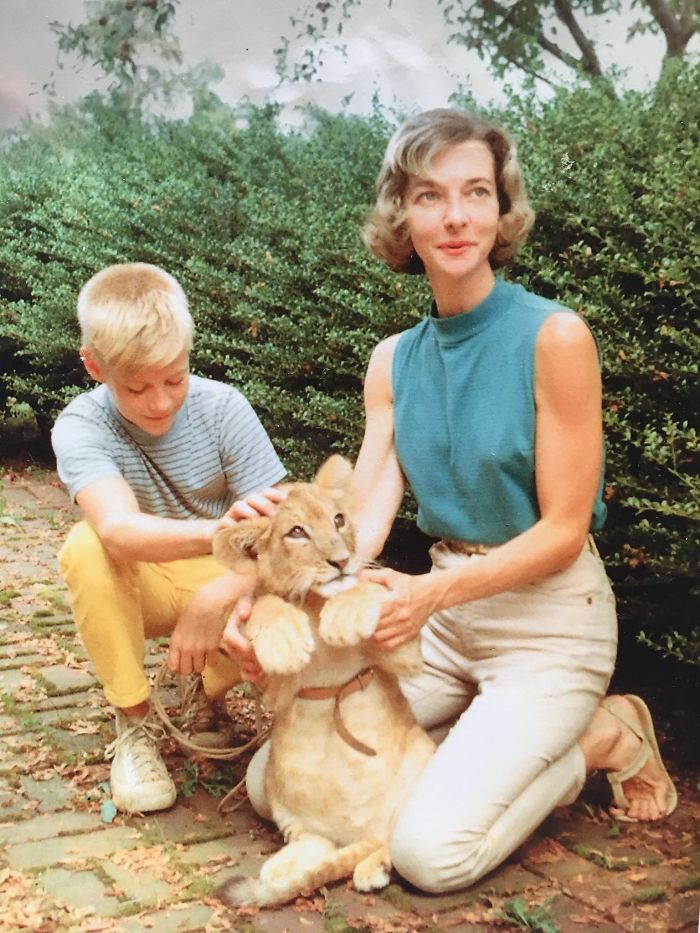
28. “My dad and his veterinarian mother, with their pet lion which they raised for two years, 1959.”
29. “My dad got in trouble for skipping school because the local paper printed this picture of him, 1984”
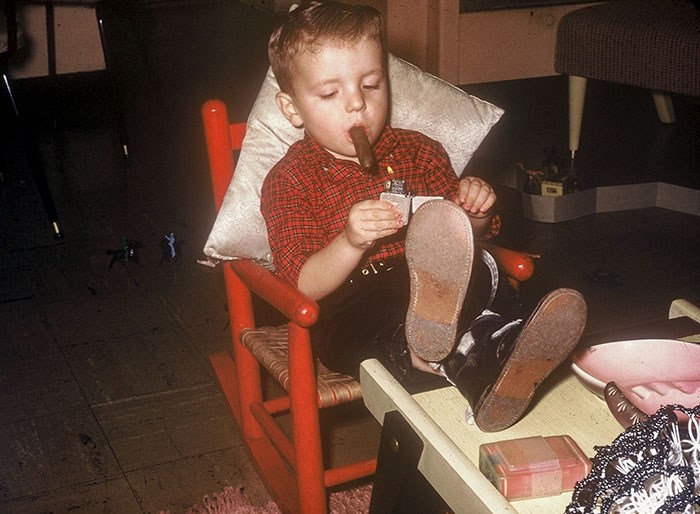
30. “Me, 1958, relaxing after my bath with Toby; I was never again this cool.”
Experts in child development emphasize the importance of balancing discipline with affection. Dr. Ross Greene, a child psychologist, advocates for collaborative problem-solving approaches, which encourage children to express their feelings while parents maintain boundaries.
This balanced approach fosters cooperation and strengthens the parent-child relationship. Greene suggests that parents practice active listening and validate their children's feelings to create a more harmonious home environment.
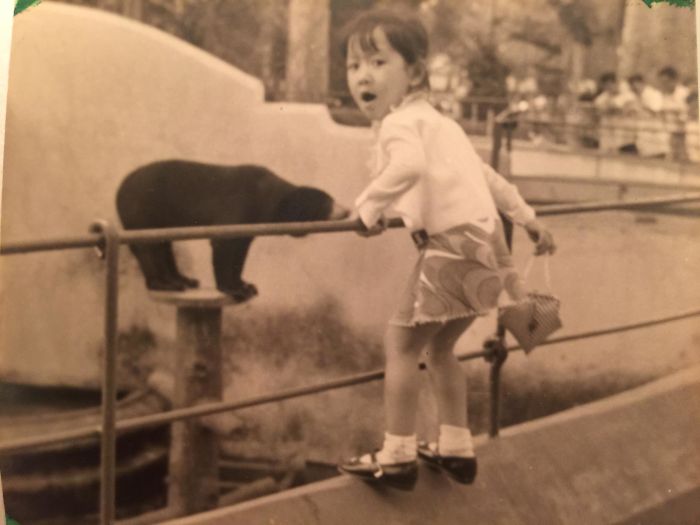
31. “My adorable (4-year-old) mother at a zoo in Ho Chi Minh City, Vietnam, 1970.”
As we look back at how parenting has changed over the years, one thing's for sure: we've come a long way from the days of car rides without seatbelts and diets that wouldn't pass muster today. While our parents might still reminisce about the "good old days," it's clear that parenting today is all about adapting and learning.
Sure, we've swapped out spankings for time-outs and replaced whatever passed as a meal back then with kale smoothies. But one thing hasn't changed: parents' love and dedication to their kids.
Practical Steps for Healing
In summary, parenting has transformed significantly over the years, influenced by evolving societal norms and a better understanding of child development. Experts like Dr. Penelope Leach and Dr. Michael Thompson highlight that today’s parents strive for a balance between discipline and emotional support.
By embracing modern safety practices and prioritizing emotional intelligence, parents can create nurturing environments that foster resilience and emotional well-being. Ultimately, it’s about choosing methods that align with family values while being open to growth and change in a parenting landscape that continues to evolve.