
12,000 Tons Of Orange Peels Dumped In Forest, Let's See What's Happening 16 Years Later
In the heart of Costa Rica lies a remarkable tale of transformation.

Damjan Milenkovic
- Published on
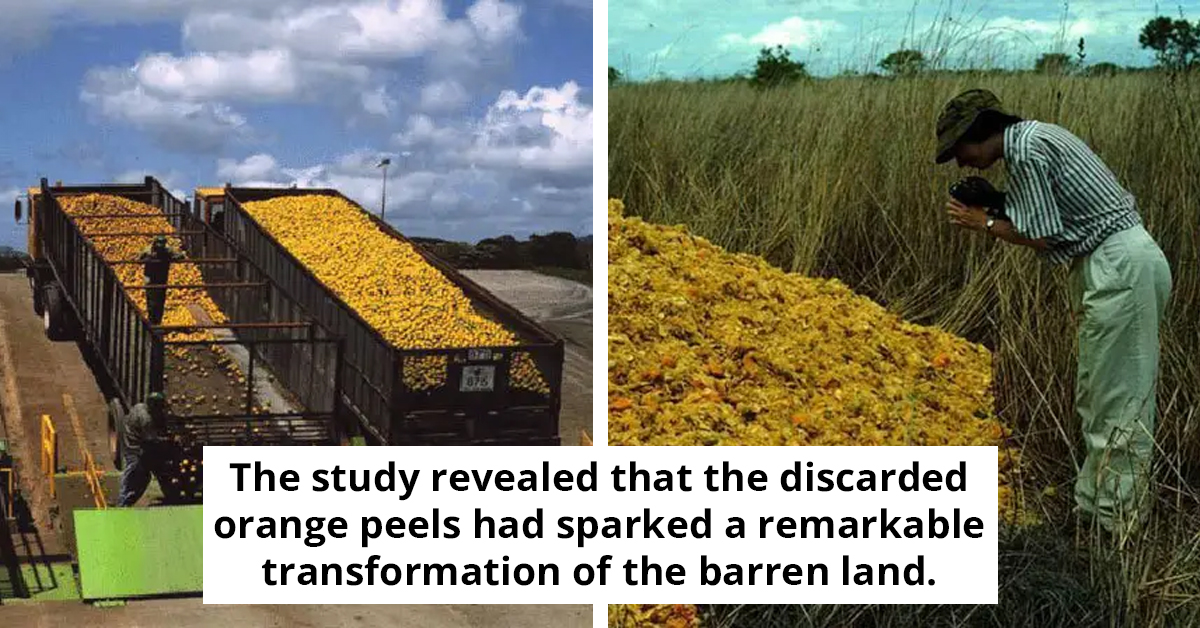
In the heart of Costa Rica lies a remarkable tale of transformation, where an abandoned conservation project, nearly forgotten, has blossomed into an ecological marvel almost two decades later. What began as a controversial initiative by a fruit juice company in the mid-1990s has now emerged as a beacon of hope for sustainable environmental practices worldwide.
Back in 1997, two ecologists partnered with a budding fruit juice enterprise, Del Oro, in Costa Rica. The aim was to strike a deal that would benefit both the company and the environment.
The agreement allowed Del Oro to dispose of its agricultural waste, mainly orange peels and pulp, in specified areas of the adjacent Guanacaste Conservation Area.
Despite initial skepticism and opposition, the project gained momentum, expanding the park's boundaries and implementing a monitored waste management system. However, controversy brewed as rival companies and environmental groups raised concerns about the environmental impact of the dumping.
Legal battles ensued, leading to the termination of the project by the Costa Rican Supreme Court. Although Del Oro ceased dumping waste, the remnants of their initiative remained on the site, largely forgotten by the public.
Fast forward to 2013, when Timothy Treuer, a graduate student from Princeton University, embarked on a journey to Costa Rica to unravel the mystery of the abandoned orange waste. Teaming up with one of the original ecologists involved in the project, Treuer conducted a follow-up study that yielded astonishing results.
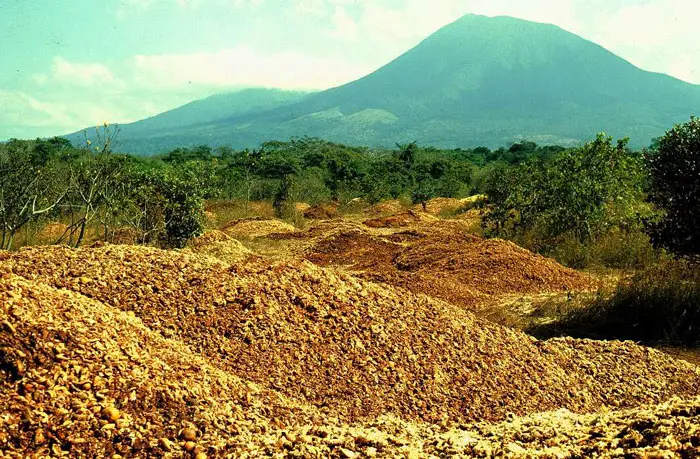
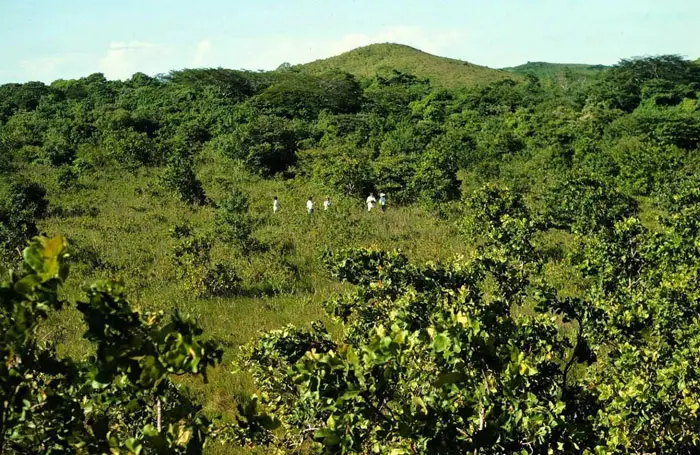
The study revealed that the discarded orange peels had sparked a remarkable transformation of the barren land. The once infertile terrain had become nutrient-rich and fertile, teeming with life.
Soil analysis indicated a significant quality improvement attributed to the decomposition of the orange waste. Moreover, the orange peels had seemingly suppressed the growth of invasive grass species, paving the way for the regeneration of native flora.
Back in the mid-1990s, a juice company decided to dump a whopping 1,000 truckloads of leftover orange peels in an empty field out in Costa Rica as part of their scheme.
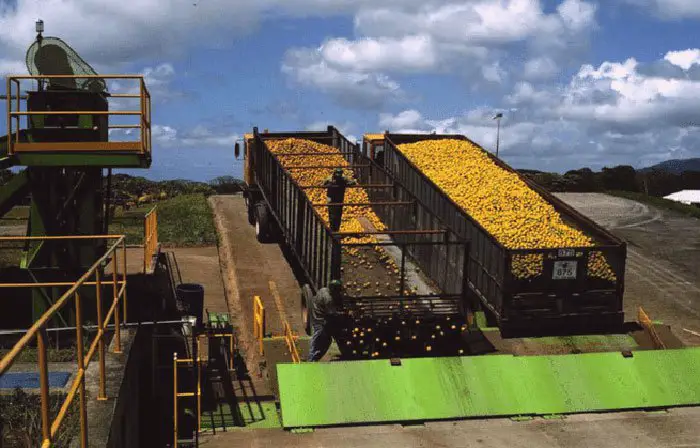
Even though the project was axed after only two years, the composted peels had already worked wonders, turning the barren 7-acre plot into a thriving forest.
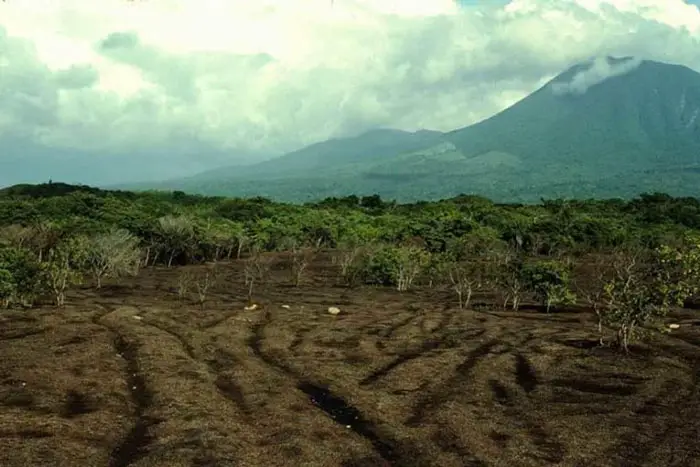
The amount of plant matter above ground has shot up by 176%, which is quite a remarkable change.
Ecological Recovery Insights
According to Dr. Jane Goodall, renowned primatologist, ecosystems can often recover remarkably when left undisturbed. She notes that the initial contamination from the orange peels likely had detrimental effects, but the natural processes of decomposition and regeneration may have allowed the forest to heal.
Goodall emphasizes that biodiversity thrives in such settings, highlighting the importance of allowing natural habitats to reclaim and rejuvenate. Restoration efforts should focus on minimizing future waste and promoting sustainable practices to ensure that similar ecological disasters are avoided.
Practical Improvement Strategies
Experts recommend that businesses adopt circular economy principles to mitigate waste impact. Dr. Diana Liverman, a climate geographer, advocates for integrating waste recycling into business models.
She believes companies should collaborate with local conservation initiatives to ensure that byproducts like orange peels are recycled into valuable resources, such as compost or biofuel. This approach not only reduces landfill waste but also enriches local ecosystems, fostering a more sustainable relationship between commerce and nature.
Del Oro faced backlash from the public and had to pull the plug on their dumping plan following a heated media showdown, as ordered by the Costa Rican Supreme Court.
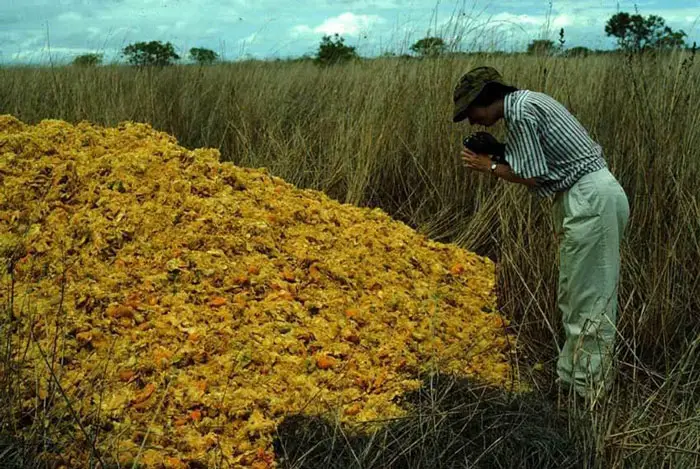
Back in 2013, Timothy Treuer, a graduate student from Princeton, got in touch with one of the original ecologists from the ACG-Del Oro project. What he discovered was quite unexpected.
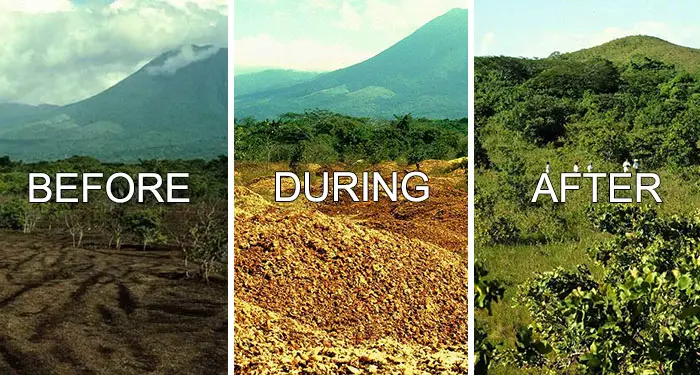
The orange peels shook things up in the soil, transforming a barren wasteland into a fertile, nutrient-packed blend. Additionally, they may have inhibited the growth of invasive grass that was blocking the forest from spreading.
Dr. Andrew Dessler, a climate scientist from Texas A&M University, emphasizes the importance of understanding the ecological impact of human activity. He states that initiatives like the orange peel project should be monitored for adverse effects on local biodiversity.
He suggests implementing better waste management practices, such as composting and recycling, to prevent similar situations. By promoting sustainable agriculture and responsible waste disposal, we can protect ecosystems and enhance their resilience against anthropogenic influences.
Treuer emphasized the ecological benefits of the project, highlighting its rarity in achieving cost-negative carbon sequestration. The findings provide hope for corporations in search of sustainable waste management solutions, demonstrating the potential of industrial by-products to rejuvenate degraded landscapes.
As the world grapples with environmental challenges, the story of the forgotten forest shows us the untapped potential of collaborative efforts between the private sector and environmental organizations. By reimagining waste as a valuable resource, we can pave the way for a greener, more sustainable future for generations to come.
The transformation of the Costa Rican forest highlights the resilience of nature, but it also underscores the necessity for sustainable practices in business operations. As noted by experts like Dr. Katharine Hayhoe, transitioning to eco-friendly practices is crucial for the environment's health.
By learning from past mistakes, such as the orange peel dumping, we can make informed decisions that prevent ecological harm in the future. Promoting a circular economy and sustainable waste management can pave the way for healthier ecosystems worldwide.