
Rare Snake Found In Alabama, Marking Just The Second Sighting In 60 Years
The Eastern indigo snake has reappeared in the state after decades of absence.

Damjan Milenkovic
- Published on
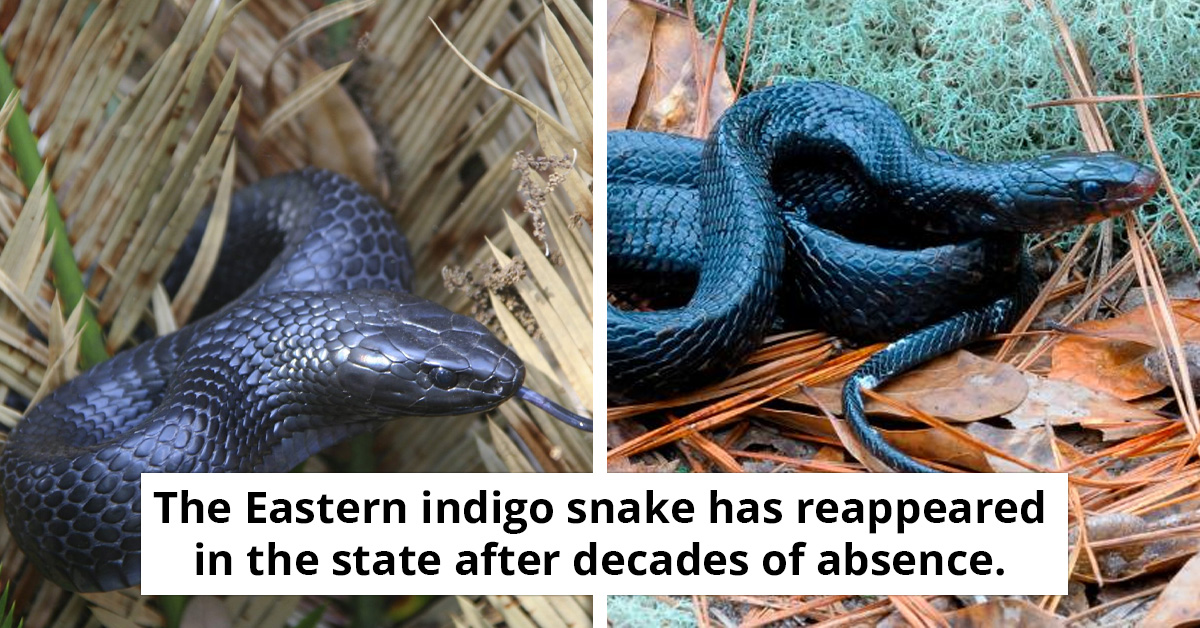
In a remarkable turn of events for wildlife conservation, Alabama has recently witnessed a rare and promising sighting: the Eastern indigo snake has reappeared in the state after decades of absence.
This elusive species, once native to Alabama, faced extinction primarily due to habitat loss during the 1950s. However, thanks to the dedicated efforts of the Alabama Wildlife and Freshwater Fisheries Division, the indigo snake is making a comeback.
The latest sighting marks only the second time in 60 years that the Eastern indigo snake has been observed in Alabama. This significant event underscores the success of a carefully orchestrated reintroduction program aimed at restoring the snake's population in its native habitat.
Initiated in 2006, the program involved reintroducing indigo snakes from neighboring Georgia into the Conecuh National Forest. These efforts sought to address the challenges posed by habitat destruction and dwindling populations.
The Alabama Wildlife and Freshwater Fisheries Division expressed their excitement at observing thriving and reproducing indigo snakes in Alabama. Reintroducing a species into its natural habitat poses significant challenges, and each successful sighting serves as a testament to these conservation efforts.
The program's success is particularly noteworthy as it underscores the adaptability of captive-born snakes to the wild. Jim Godwin, an animal biologist with the Alabama Natural Heritage Program, highlighted the importance of this recent discovery.
According to Godwin, the finding confirms that the snakes released from captivity have successfully adapted to the wild environment and are reproducing, as reported in an interview with CNN.
The Eastern indigo snake plays a crucial ecological role as a top predator, helping to maintain balance within its habitat. Its return to Alabama signifies a conservation milestone and a boost to the local ecosystem.
Despite the challenges of tracking such a secretive species, wildlife officials remain hopeful about the possibility of more wild-born indigo snakes in the region.
Finding these snakes in their natural habitat presents difficulties due to their elusive behavior and adeptness at hiding. Despite this challenge, continuous monitoring and conservation initiatives are bolstering the revival of the indigo snake population in Alabama.
The discovery wasn't unexpected, but it was a win for the program designed to bring this snake species back to Alabama's wilderness.
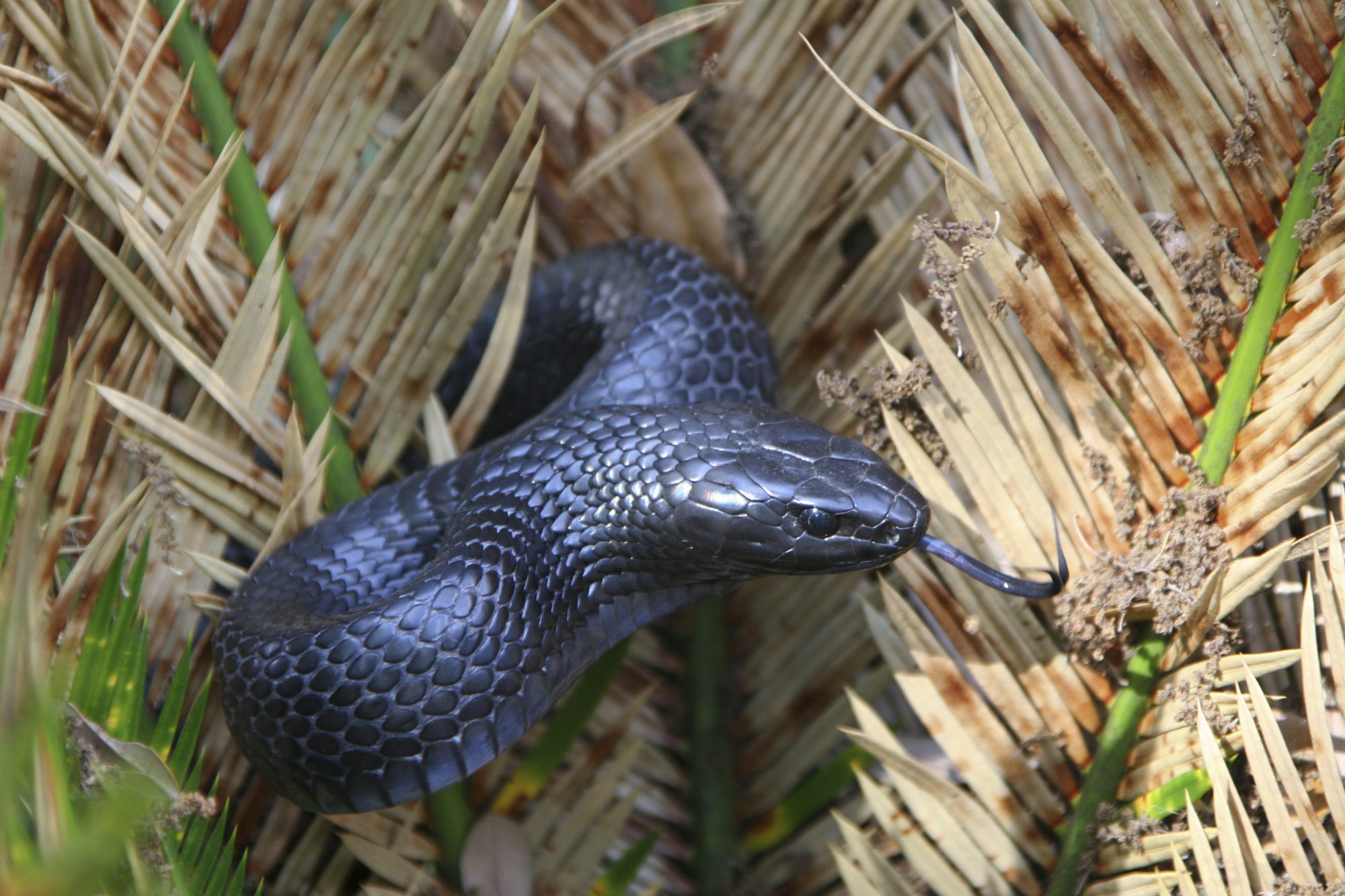
Wildlife officials say the young snake comes from pairs introduced into the Conecuh National Forest.
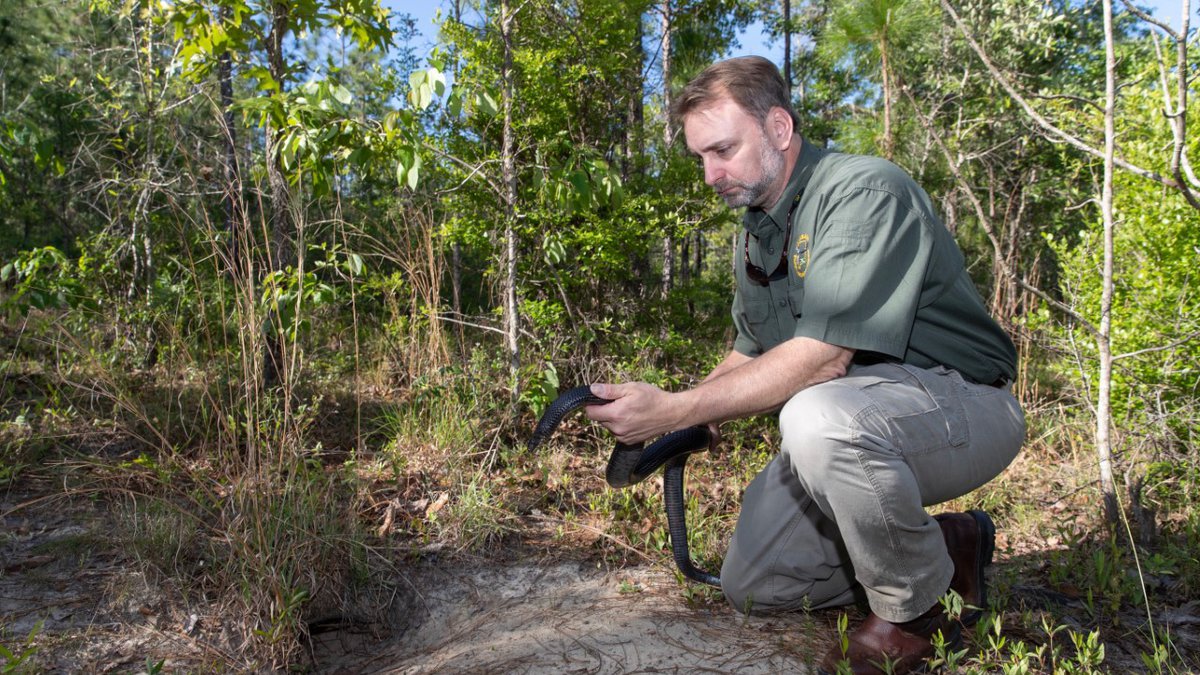
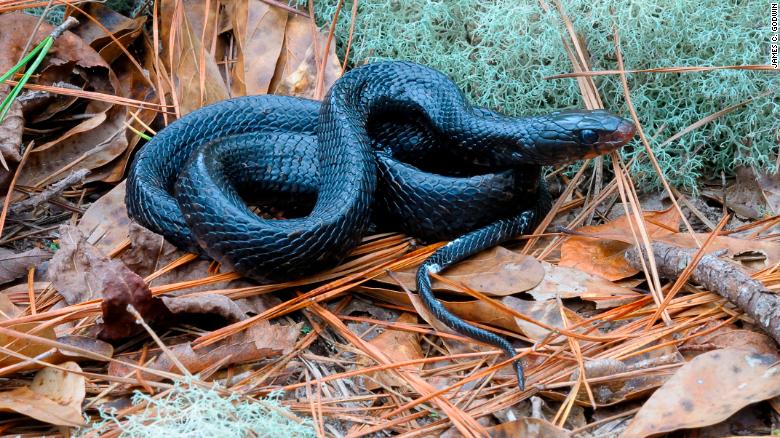
"EXCITING NEWS! Yet another wild-hatched EASTERN INDIGO SNAKE has been found! This is only the SECOND one found in Alabama in over 60 years (the first wild-born one was found in 2020)."
This program began in 2006 and included snakes captured in Georgia. Four years later, the first snakes were released into the Conecuh National Forest. The recent discovery confirms that these snakes have survived and adapted to their new environment.
Dr. John Placyk, a herpetologist at the University of Alabama, highlights the significance of this sighting, emphasizing that the Eastern indigo snake is a key species in maintaining ecological balance. He notes that their presence can help control rodent populations, ultimately benefiting local agriculture.
Dr. Placyk explains that conservation efforts, like habitat restoration and public education, are essential for ensuring the survival of this species. Engaging local communities in conservation can foster a sense of responsibility and connection to wildlife, which he believes is crucial for long-term success.
Conservation Strategies
Dr. Michael Conner, an ecologist and conservation biologist, emphasizes the importance of habitat conservation to support the Eastern indigo snake's recovery. He recommends creating wildlife corridors and preserving natural habitats to facilitate the snake's movement and breeding.
Moreover, Dr. Conner suggests that local governments should partner with conservation organizations to implement educational programs aimed at raising awareness about the species. By involving the public in conservation initiatives, we can create a more informed community that values and protects its natural heritage.
This is the second time an Eastern indigo snake has been discovered since the program began.
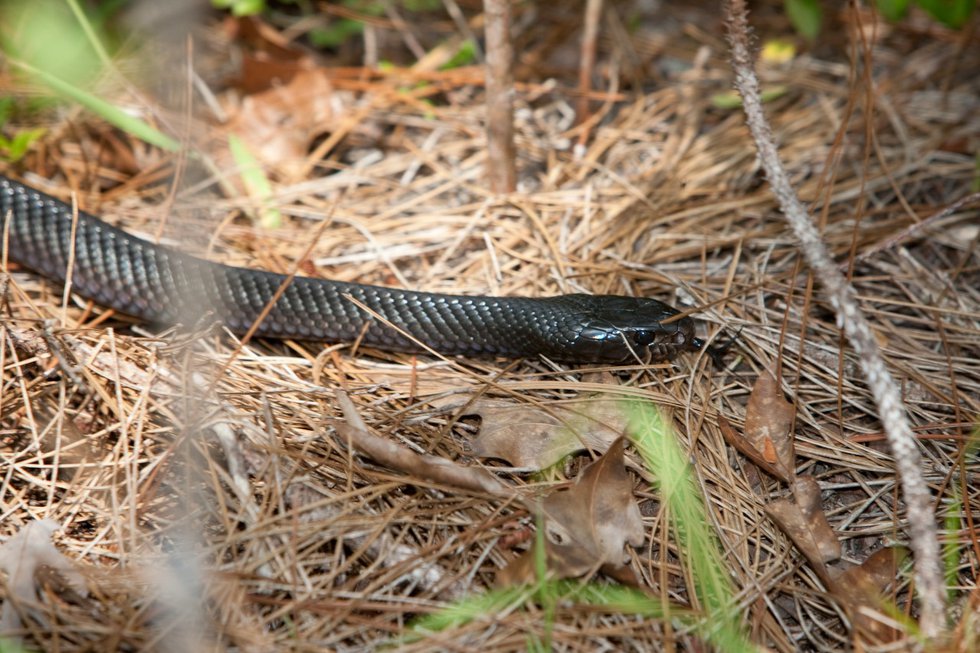
"Indigo Snakes"
The reappearance of the Eastern indigo snake underscores the critical role of conservation initiatives in safeguarding biodiversity. By restoring native species such as the indigo snake to their rightful habitats, conservationists not only protect individual species but also enhance the robustness of entire ecosystems.
As Alabama celebrates this milestone in conservation, continued efforts to monitor and protect the Eastern indigo snake are imperative. The ongoing dedication to preserving habitats and reintroducing species fosters optimism for a future where wildlife coexists harmoniously with human communities, ensuring a balanced and sustainable environment for future generations.
Research-Based Understanding
Dr. Thomas Goodman, a wildlife conservation expert, points out that the reappearance of the Eastern indigo snake in Alabama is not just a win for biodiversity, but also a reminder of the impact of dedicated conservation efforts.
He stresses that continuous monitoring and research are necessary to ensure the species thrives. Long-term success hinges on collaborative efforts between scientists, policymakers, and the community to address challenges like habitat loss and climate change, ultimately fostering a resilient ecosystem for future generations.