
The Secret Pixar Code Hidden in Nearly Every Movie — and What It Really Means
Brad Bird, director of The Incredibles and Ratatouille, once confirmed the meaning, saying, “It’s a tradition.”

Damjan Milenkovic
- Published on
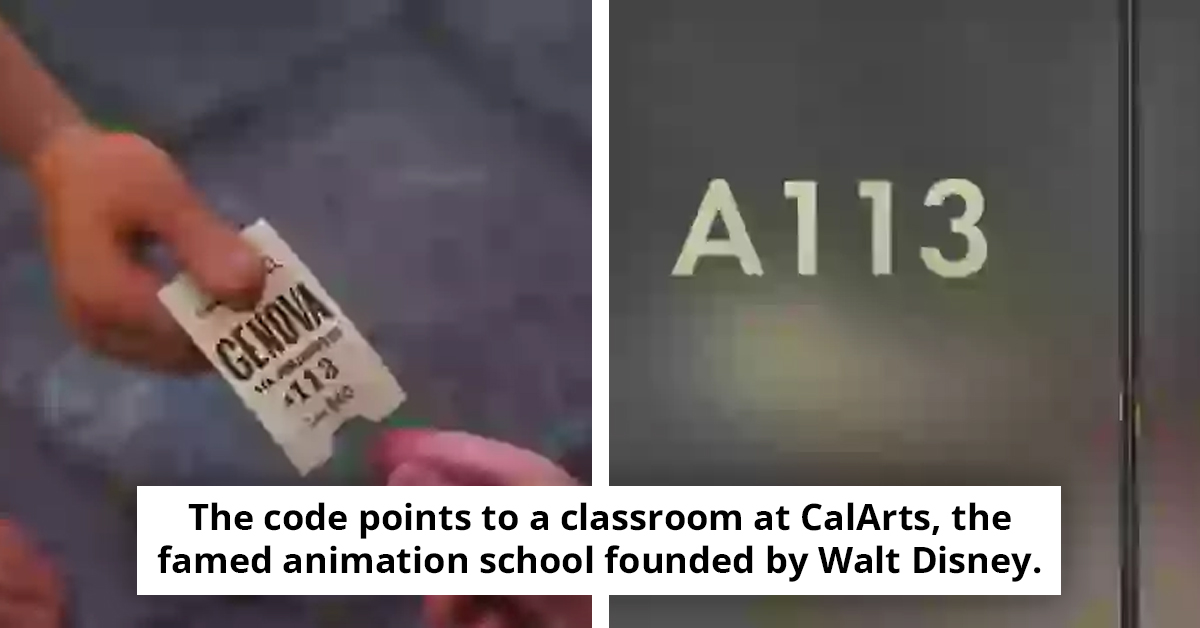
Pixar is famous for packing its films with hidden details, inside jokes, and Easter eggs. But there’s one mysterious code that pops up so often across its movies that once you notice it, you’ll never stop spotting it: A113.
This string of letters and numbers might not look like much at first glance, but it has quietly appeared in nearly every Pixar release since Toy Story in 1995. It has been seen on license plates, classroom doors, courtroom numbers, and even on the diver’s camera that captures Nemo.
Fans on Reddit and movie forums have spent years tracking every instance, building meticulous lists that prove just how committed Pixar animators are to slipping this code into their films.
So what does A113 mean?
A113 isn’t random at all — it’s a tribute. The code refers to a classroom number at the California Institute of the Arts (CalArts), the legendary animation school founded by Walt Disney himself.
That classroom, A113, is where many of Pixar’s biggest names — including John Lasseter, Brad Bird, Pete Docter, and Henry Selick — studied graphic design and character animation. For them, hiding the code in their films became a way of honoring their shared roots and celebrating the place that shaped their careers.
Brad Bird, director of The Incredibles and Ratatouille, once confirmed the meaning, saying, “It’s a tradition. It’s just a little reminder for us of where we all came from.”
What's this A113 code all about?
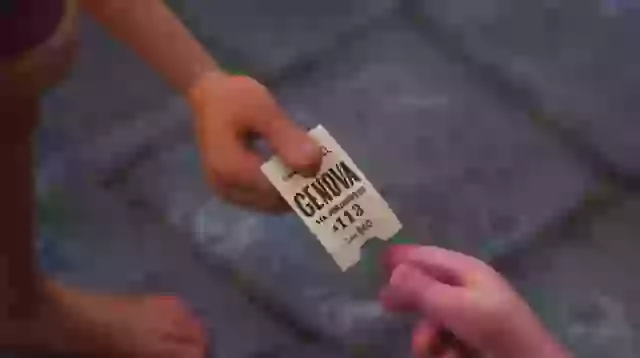
The Pixar A113 sightings you might have missed
The code first appeared in Toy Story (1995) as the license plate on Andy’s mom’s minivan. Since then, it has reappeared in dozens of Pixar films in increasingly clever and creative ways. Some examples include:
- Finding Nemo (2003): On the model code of the diver’s camera.
- The Incredibles (2004): The conference room number in Syndrome’s lair.
- WALL-E (2008): Directive A113 is the order that keeps humanity stranded in space.
- Up (2009): The number of the courtroom where Carl faces trial.
- Brave (2012): As Roman numerals carved into the witch’s cottage.
- Inside Out (2015): Riley’s new classroom number, plus graffiti in San Francisco.
- Coco (2017): Written on a record label in Miguel’s attic and on an office door in the Land of the Dead.
- Turning Red (2022): On Mei’s dad’s line marker and on 4*TOWN concert tickets.
- Elemental (2023): Hidden in the chemistry of a sign, with H=1 and Al=13.
- Elio (2025): On a patch labeled “Area 113” on Elio’s backpack.
In some cases, the reference is subtle (like numbers scratched into the background), while in others, it plays a bigger role in the plot, such as WALL-E’s critical directive.
Furthermore, the repeated use of the same Easter egg across multiple films can foster a sense of familiarity and continuity for the audience. This is backed by the Mere Exposure Effect, a psychological phenomenon where people tend to develop a preference for things merely because they are familiar with them (Zajonc, 1968). Thus, the recurring A113 code not only ignites curiosity but also subtly enhances the audience's affinity toward Pixar movies.
It appears in WALL-E

And here in Cars 3 as Sterling's office number

The presence of the A113 code in Pixar films serves not only as a clever Easter egg but also as a fascinating engagement tool for audiences. This hidden detail taps into a universal human desire for discovery and problem-solving. By embedding such codes into the narrative, Pixar stimulates viewer curiosity and encourages them to dig deeper into the film's layers. This aligns with psychological principles suggesting that when audiences encounter challenges that require unraveling, their motivation and engagement are heightened. The allure of spotting A113 acts as a reward for those who seek out these hidden gems, ultimately enhancing the viewing experience and fostering a deeper connection with the stories being told.
Why fans love Pixar’s Easter eggs
Part of what makes A113 so fun is that it’s part of Pixar’s broader Easter egg culture. From the Pizza Planet truck that rolls through almost every film to characters from upcoming movies appearing in earlier ones, these hidden details make rewatching Pixar films endlessly rewarding.
For casual viewers, spotting A113 is just a fun surprise. But for animation insiders and superfans, it’s a nod to the tight-knit creative community that helped build Pixar into the powerhouse it is today.
So next time you sit down to watch a Pixar classic, keep your eyes peeled. Whether it’s carved into wood, printed on a ticket, or tucked away on a license plate, chances are A113 is waiting for you to find it.
The presence of hidden details, such as the A113 code in Pixar films, is not merely an amusing quirk but a deliberate strategy that enriches the viewer's experience. The article highlights how this seemingly innocuous string has become a hallmark of Pixar's storytelling, creating a sense of connection for audiences who recognize it. These elements foster deeper engagement, as viewers are encouraged to look beyond the surface of the narrative. By embedding such Easter eggs, Pixar not only rewards attentive viewers but also cultivates a more immersive experience that invites fans to explore the intricate web of its storytelling universe. This technique effectively transforms passive watching into an interactive journey, where discovery enhances emotional investment in the story.
The recurring appearance of A113 in Pixar films serves as a clever nod to the studio's commitment to engaging its audience on a deeper level. This hidden detail not only piques curiosity but also invites viewers to actively participate in the storytelling process. By embedding such elements, Pixar creates a thread of continuity that links its diverse narratives, fostering a sense of community among fans who share in the thrill of discovery. The strategic use of A113 transcends mere Easter egg status; it enriches the cinematic experience, encouraging audiences to explore the connections that bind these beloved films together.