
People Think The Simpsons Predicted Labubu Toys as Disturbing Demon Theory Spreads
People are burning their dolls

Damjan Milenkovic
- Published on
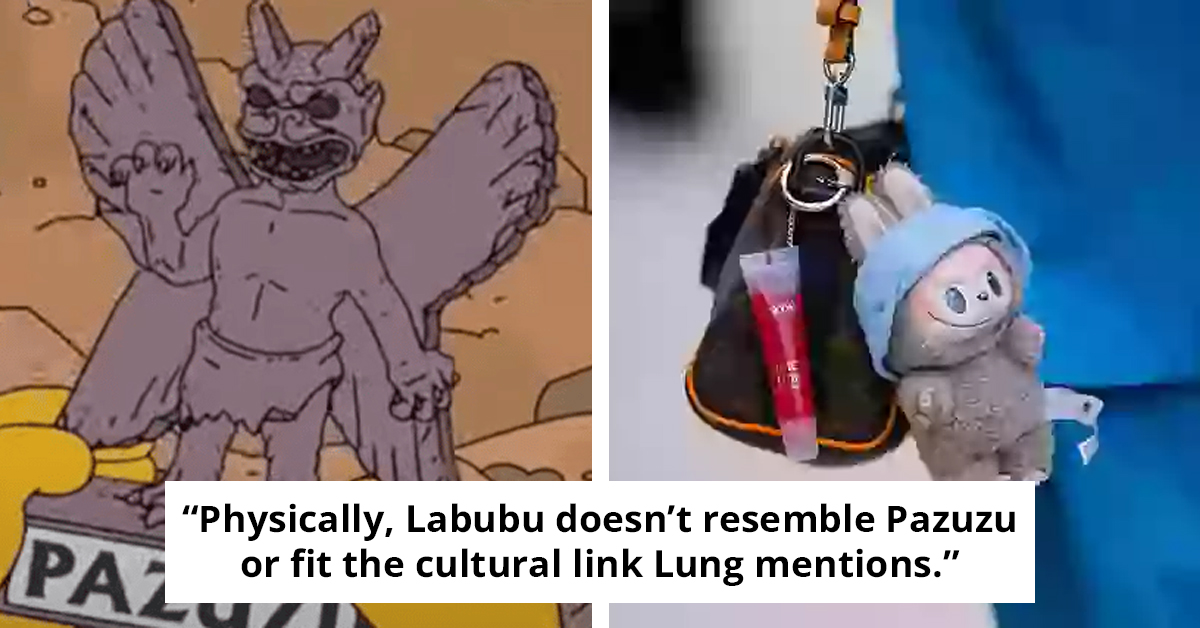
What started as a quirky collectible trend has now spiraled into a full-blown internet conspiracy. The Labubu dolls, created by the Chinese brand POP MART, have gained massive popularity over the past few years. However, some fans are now convinced these toys are cursed—and even believe The Simpsons predicted their rise.
If you haven’t heard of Labubus, they’re the small, mischievous-looking plush toys that resemble fantasy gremlins. They were introduced in 2019 through a collaboration between POP MART and Hong Kong illustrator Kasing Lung, who originally created them as part of his illustrated series The Monsters. In the books, Labubus appear as a tribe of quirky, whimsical female elves—but recent social media activity suggests some people now view them as something far more sinister.
In fact, a growing number of TikTok users claim the toys are “possessed” or “demon-infested.” One particularly unsettling video shows a user burning her Labubu doll with the caption:
“They are cursed with a demon that almost ruined my life.”
At the center of the conspiracy is the ancient Mesopotamian demon Pazuzu, best known to modern audiences as the entity that possesses the young girl in The Exorcist. Some online theorists believe Labubus were modeled after Pazuzu due to their wide, eerie grins and quirky expressions.
And this is where The Simpsons enters the story.
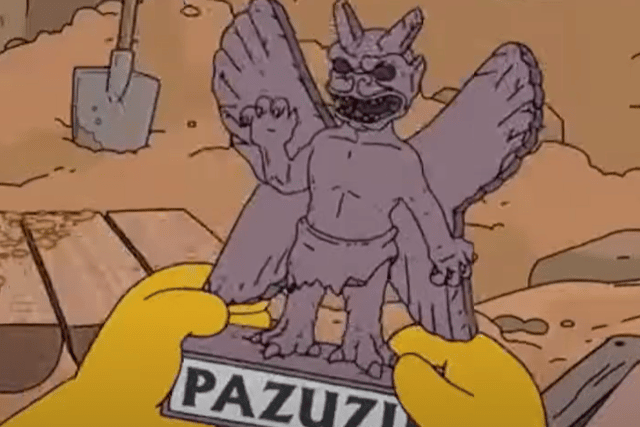
Fans of the long-running animated series are drawing connections between the Labubu craze and an episode from the 2017 Halloween special, Treehouse of Horror. In the episode, Homer mistakenly orders a statue of Pazuzu, thinking it's pizza. The demon ends up possessing baby Maggie, triggering chaos in the Simpson household.
Although the demon in the episode looks nothing like a Labubu, some conspiracy theorists insist this was yet another prediction from The Simpsons. They suggest that just like Homer, people today are unknowingly bringing cursed objects into their homes in the form of cuddly, collectible toys.
One Facebook user warned:
“Labubu toys look cute until you realize they’re Pazuzu-inspired demons. Just like in The Simpsons. Homer brought one home, and it possessed him. You’re not adopting a toy; you’re inviting evil in.”
Another person wrote on Twitter:
“Labubu = Pazuzu. Do not invite demons into your home.”
The labeling of Labubu dolls as cursed and the subsequent actions of fans burning them reflects a troubling trend of collective hysteria fueled by the rapid dissemination of information on the internet. This phenomenon, which has escalated from a mere collectible trend to a widespread conspiracy theory, showcases how quickly fear can take hold of communities. The article highlights the psychological underpinnings of this hysteria, noting that stressors in today's society can trigger aggressive behaviors, such as the destruction of these toys. As the fascination with Labubu dolls grows, so does the paranoia surrounding them, illustrating a fascinating yet alarming intersection of pop culture and psychological response.
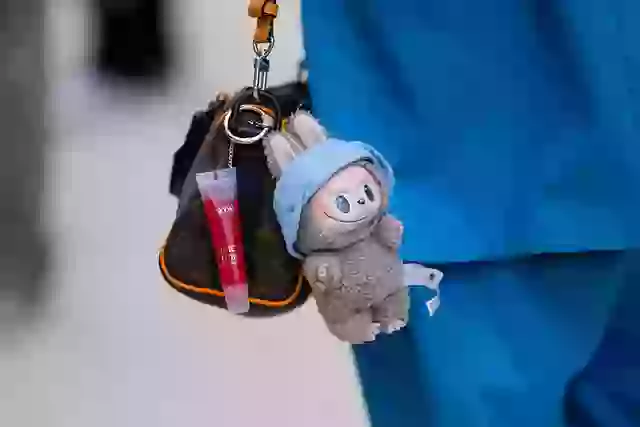
Labubu keychains on Louis Vuitton bags during Paris Fashion Week - Haute Couture Fall/Winter 2025/2026
A third commenter admitted the theory had scared them off the toy trend entirely:
“I’m not superstitious; I’m a little stitious. But I’d never buy a Labubu. It comes from Pazuzu, which is a demon, and possessed the girl in The Exorcist. We’ve got enough inner demons; who needs one more expensive one?”
Despite the toy's creepy design and the growing online fear, there's no actual evidence that Labubus are linked to ancient mythology. In fact, the widely circulated theory has gained so much attention that Snopes, a site known for debunking internet hoaxes, published a fact-check to clear things up.
In the article, Snopes pointed out the significant differences between Pazuzu and the Labubu dolls, writing:
“Based on the physical description alone, it's clear Labubu does not physically resemble illustrations of Pazuzu, nor does it match the cultural influence that Lung cites.”
The site went on to describe Pazuzu's traditional features, including a canine face, bulging eyes, talons, wings, and a scaly body—none of which are found in the whimsical Labubu design.
'Pazuzu' appears in the Treehouse of Horror XXVIII episode from October 2017.
Snopes ultimately concluded that there is “no evidence” Labubu dolls are inspired by or connected to Pazuzu, nor is there any hidden message in The Simpsons episode meant to serve as a warning.
Still, the conspiracy shows no sign of slowing down. Even as influencers burn their dolls and others refuse to buy them, the Labubu hysteria continues to trend on platforms like TikTok and Twitter. At the same time, fashion insiders have embraced the toy, with some guests seen accessorizing with Labubu keychains on designer bags at Paris Fashion Week.
It seems that Labubu’s appeal walks a fine line between cute and creepy, and that line has sparked one of the most bizarre viral theories of the year.
Whether you believe in cursed toys or not, one thing is clear: Labubu has made a lasting impact on pop culture, and like so many things today, it’s become a symbol of how the internet can turn playful fandom into full-on folklore.
The phenomenon surrounding the belief that The Simpsons predicted the rise of Labubu dolls reveals a fascinating aspect of human psychology known as apophenia. This term describes our inherent tendency to identify meaningful patterns in random data. In this case, fans are drawing connections between a long-running animated series and the emergence of these collectibles, which some now associate with curses or darker themes. This impulse to find correlations speaks to a broader cultural narrative where individuals often seek links between disparate events, solidifying their beliefs in the process. The allure of conspiracy theories thrives on this very inclination, as people attempt to make sense of their world through the lens of popular culture.
The growing concern that Labubu dolls are cursed highlights a deep-rooted tendency for superstitious thinking in the face of uncertainty. As the popularity of these toys skyrockets, so do the rumors surrounding them, suggesting that fans are grappling with their anxieties by attributing sinister qualities to the collectibles. This phenomenon reflects a broader human desire to exert control over fears that arise from the unknown. The fascination with these dolls may serve as a coping mechanism, allowing individuals to navigate their emotional responses to the unsettling aspects of modern life. The connection between the dolls and the idea of them being cursed underscores how easily pop culture can intertwine with personal fears, transforming a simple collectible into a focal point for collective apprehension.
The growing unease surrounding Labubu dolls reveals the intricate dance between consumer culture and psychological phenomena. As the narrative shifts from mere collectibles to symbols of perceived malevolence, it highlights how collective hysteria can take root, fueled by the internet's rapid spread of theories. Fans are not just drawn to these toys for their aesthetic; they are grappling with a deeper need to find meaning in chaos. This irrational fear is a reflection of broader societal stressors that prompt individuals to seek patterns and narratives, even in the most innocuous of objects. The situation serves as a reminder of our vulnerability in the face of uncertainty, where a simple toy can become a focal point for fear and superstition, illustrating the complexities of human behavior in contemporary society.