
35 Instances Where Size Mattered, Illustrated with A Human For Scale
These creatures command our respect and admiration.

Damjan Milenkovic
- Published on
Have you ever stumbled upon something so staggeringly huge that you just had to grab the nearest person and say, “Here, stand next to this; I need to prove it’s not a Photoshop job”? Well, you’re not alone.
In a world where we often feel like we’ve seen it all, there are still wonders that manage to leave us awestruck. From the towering skyscrapers of concrete jungles to the vast expanses of oceans, our planet never ceases to amaze.
But what about those extraordinary objects that defy our expectations of size and scale? We’re talking about the giants among us, the objects so massive they make us question our understanding of the world around us.
Scouring the corners of the Earth (and the internet), we’ve assembled a jaw-dropping collection of cool pictures featuring objects of such unbelievable size that they had to be photographed with a human for scale. From colossal fruits that defy horticultural logic to ancient trees towering like nature’s skyscrapers, these images capture the sheer wonder of our world’s oversized oddities.
Imagine stumbling upon a pumpkin so gigantic that you’d swear it was plucked straight from a fairytale. These aren’t your average pumpkins picked for pie-making; these are behemoths that could serve as makeshift carriages for Cinderella herself.
And then there are the watermelons—not your run-of-the-mill backyard variety, but massive orbs that could easily double as small cars. But it’s not just fruits that push the boundaries of size; nature’s architects have crafted towering marvels that leave us feeling small in comparison.
Take the ancient sequoias of California, some of the oldest and tallest trees on Earth. Standing amidst these giants, humans appear as mere ants scurrying at their roots.
Each year, countless visitors flock to witness these arboreal wonders, their towering presence serving as a stark reminder of nature’s capacity for grandeur. And let’s not forget about the animals that inhabit our planet, some of which boast proportions that seem downright mythical.
From the colossal blue whale, the largest animal to have ever existed, to the African elephant, with its imposing stature and tusks that could topple trees, these creatures command our respect and admiration. So, prepare to have your mind blown as we take you on a visual journey that showcases the extraordinary scale of the seemingly ordinary, proving that sometimes, size really does matter.
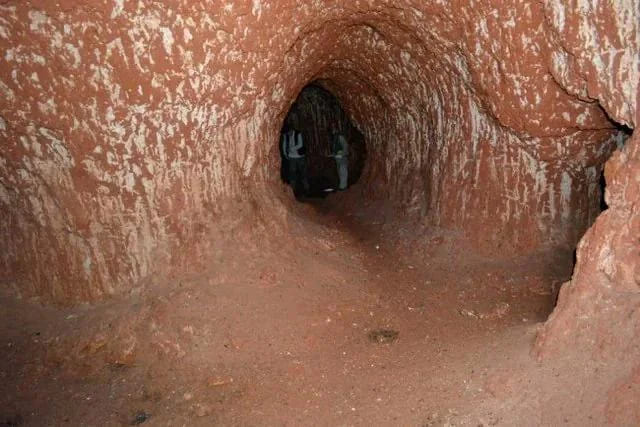
1. "A Tunnel Dug By The Giant Ground Sloth In Brazil (10,000 Years Ago)"
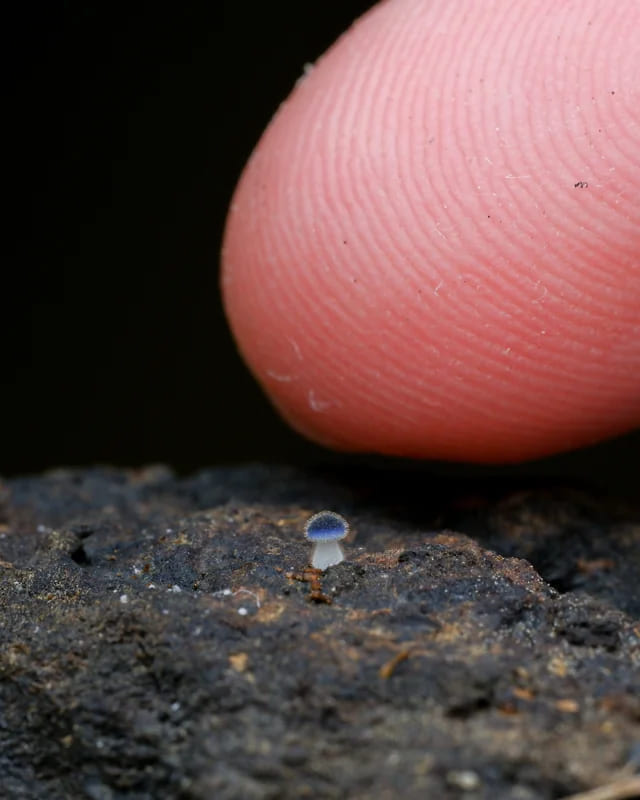
2. "Mycena subcyanocephala"
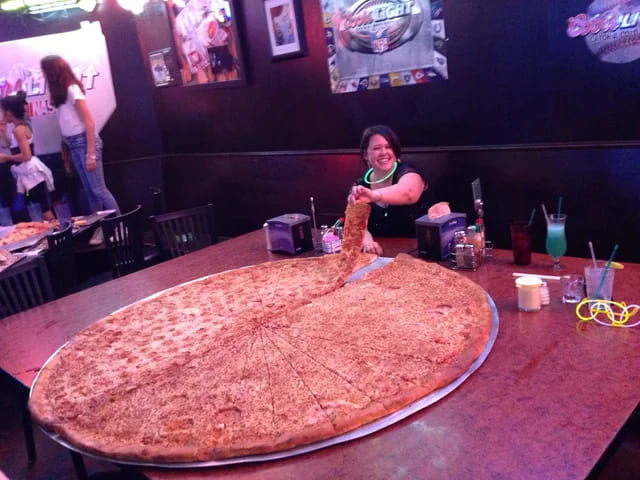
3. "Pizza – Big Lou’s Pizza – San Antonio, Texas"
The Majesty of Size
Dr. Jane Goodall, renowned primatologist, emphasizes that the sheer size of certain wildlife often reflects their ecological importance. Her work sheds light on how large animals like elephants play crucial roles in maintaining their habitats. These creatures are not just impressive due to their size; they also contribute to biodiversity and ecosystem stability.
Understanding the ecological significance of large species underscores the need for conservation efforts aimed at protecting them. It’s vital that we respect their habitats to ensure the health of our ecosystems.
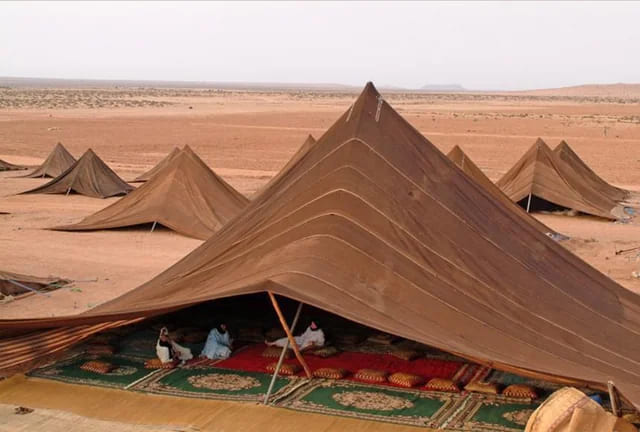
4. "Bedouin Tents in Morocco"
5. "1919; Seattle, Washington. Stacks of lumber drying at the Seattle Cedar Lumber Manufacturing Company’s mill in Ballard."

6. "Military Drones Are Bigger Than I Thought."

Many people are captivated by the sheer size of animals and natural wonders, often wanting to share these experiences with others. A wildlife expert noted that sharing such moments can enhance our appreciation for nature.
Engaging in outdoor activities like hiking or visiting national parks can foster a deeper connection to the environment. Taking photos with a human for scale can also be a compelling way to highlight the grandeur of nature, making it more relatable and awe-inspiring.
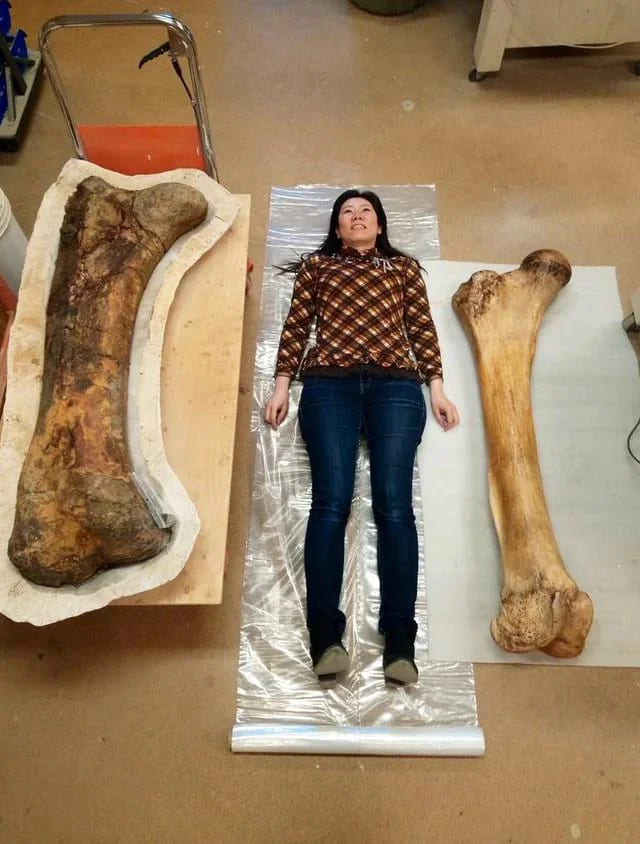
7. "Triceratops Femur (Left) vs. Elephant Femur (Right)"
8. "At a place that makes windshields for vehicles, the excess glass gets blown off to the side. This is the excess, with a human for scale. My first post here. Hope it fits."

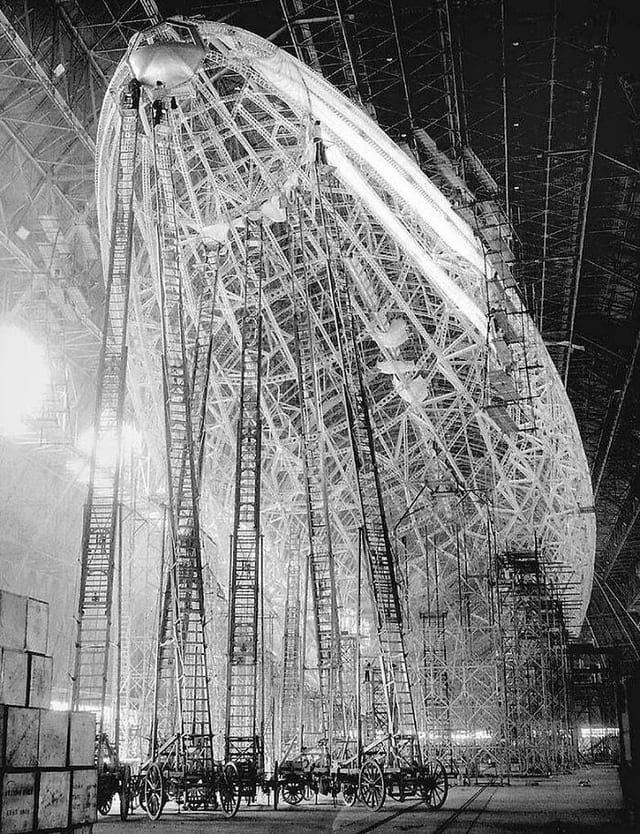
9. "The German Airship ‘Hindenburg’ Takes Shape in 1932."
Learning from the Giants
Dr. Brian Hare, an evolutionary anthropologist at Duke University, points out that large animals often exhibit complex social behaviors. His research indicates that understanding these behaviors can offer insights into our own social structures and relationships.
For instance, elephants demonstrate remarkable memory and empathy, which can teach us about the importance of social connections in human societies. Emphasizing these qualities can encourage us to foster stronger communal bonds and empathy in our daily lives.
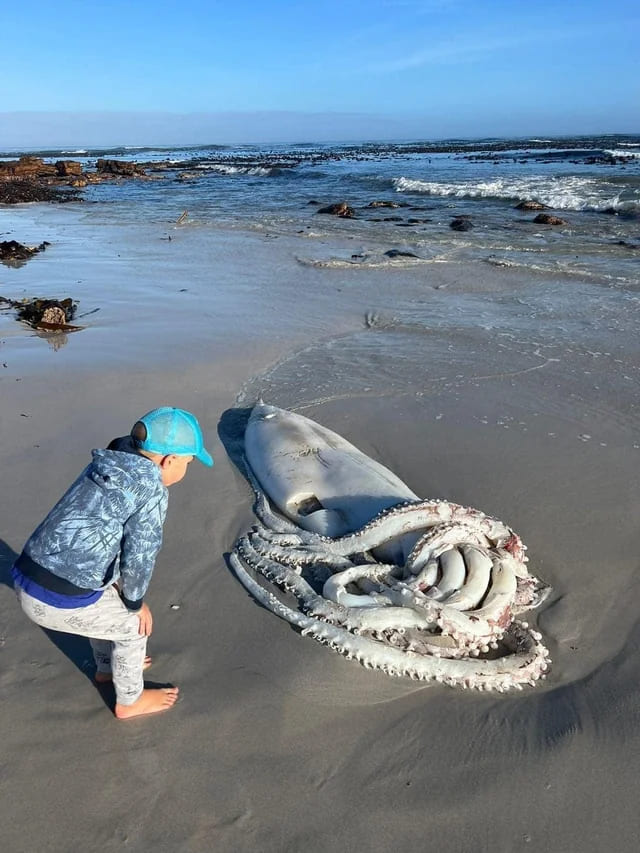
10. "Squid"
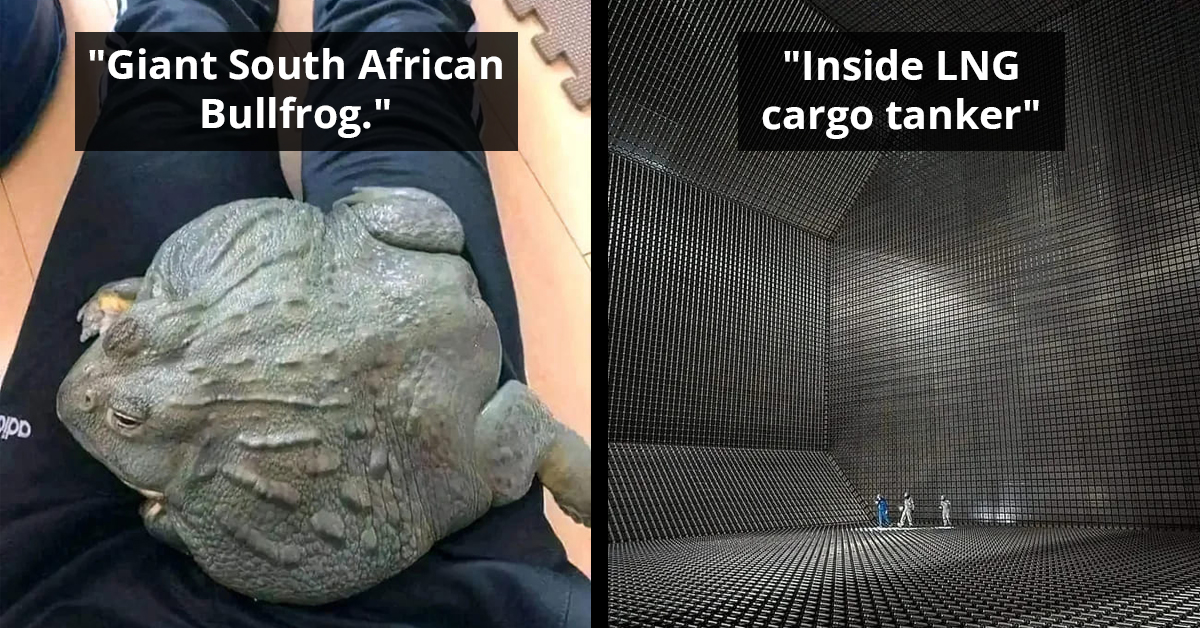
11. "Inside LNG Cargo Tanker"

12. "This 122-foot (37 m) snow woman built by locals in Bethel, Maine, USA, had 27-foot (8.2 m) evergreen trees for arms and skis for eyelashes, and holds the Guinness World Record for being the tallest snow person."

As we marvel at the scale of nature's wonders, we should also consider how to preserve them. Conservationists recommend sustainable practices to protect large species and their habitats. This includes supporting wildlife reserves and advocating for policies that reduce habitat destruction.
Individuals can participate in conservation efforts by volunteering or contributing to organizations dedicated to protecting these majestic creatures. Every small action counts in ensuring the future of our planet's biodiversity.
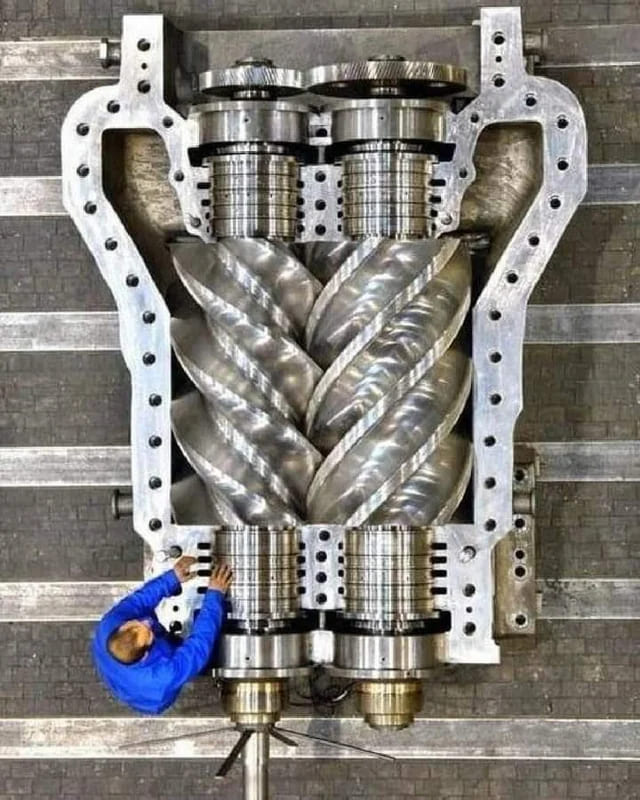
13. "Twin Scroll Supercharger for a Marine Engine."
14. "10Mb Hard Drive from the Late 1960s"

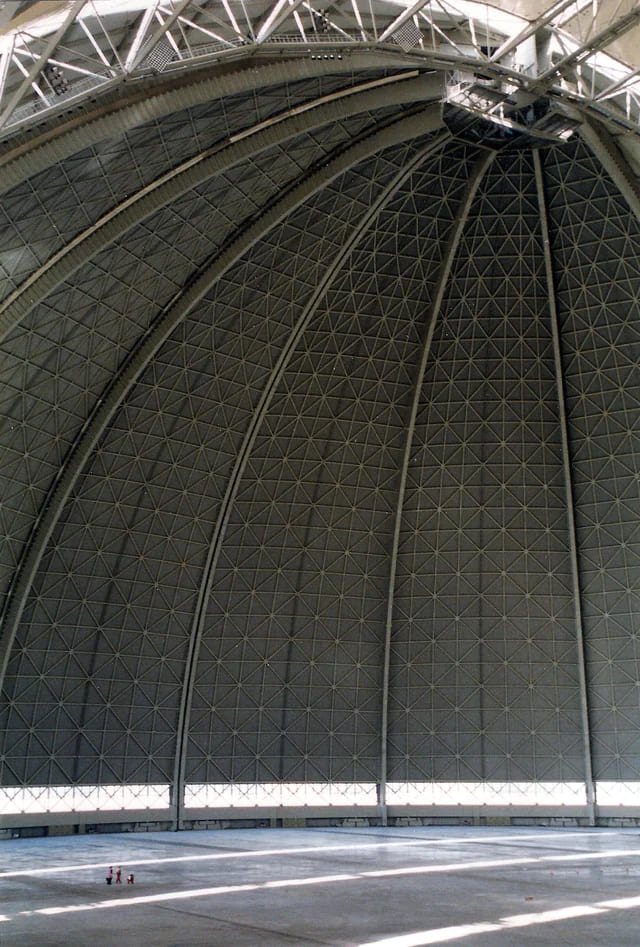
15. "The Largest Airship Hangar, Now Transformed into a Water Resort (People at Bottom)"
The Role of Size in Survival
Dr. Carl Safina, an ecologist and author, discusses how size plays a critical role in the survival of species. His insights reveal that larger animals often face greater threats due to poaching and habitat loss.
This understanding emphasizes the need for comprehensive conservation strategies that not only protect these species but also address the root causes of their endangerment. The balance of ecosystems relies heavily on these giants, making their preservation a priority.
16. "My Lego Creation of a Covenant Assault Carrier"

17. "1959 Kenworth 963 6×6"

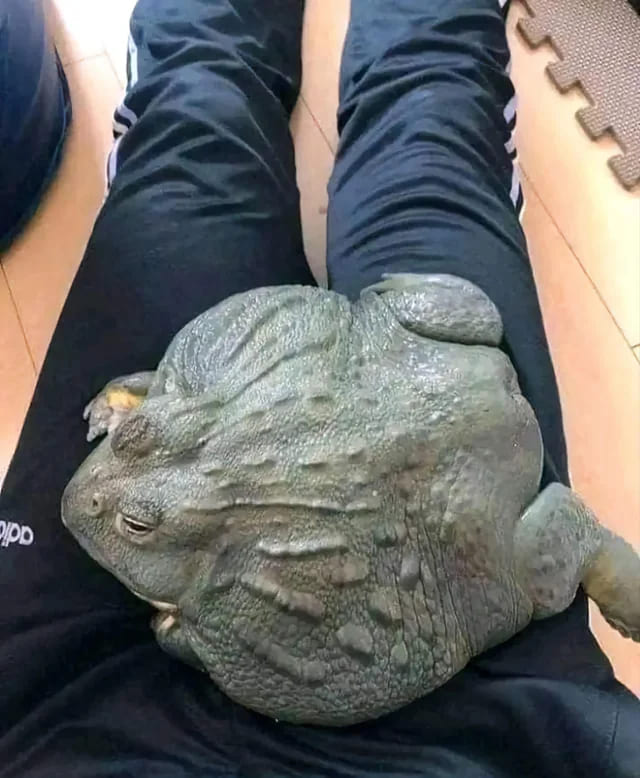
18. "Giant South African Bullfrog."
Experts in animal behavior highlight the unique adaptations large animals have developed to thrive in their environments. For instance, the size of a whale allows it to dive deep into the ocean for food, while large birds like the ostrich can cover vast distances quickly.
Highlighting these adaptations in educational programs can inspire awe and curiosity. Educational institutions should consider integrating such topics into their curricula to foster a greater appreciation for wildlife among students.
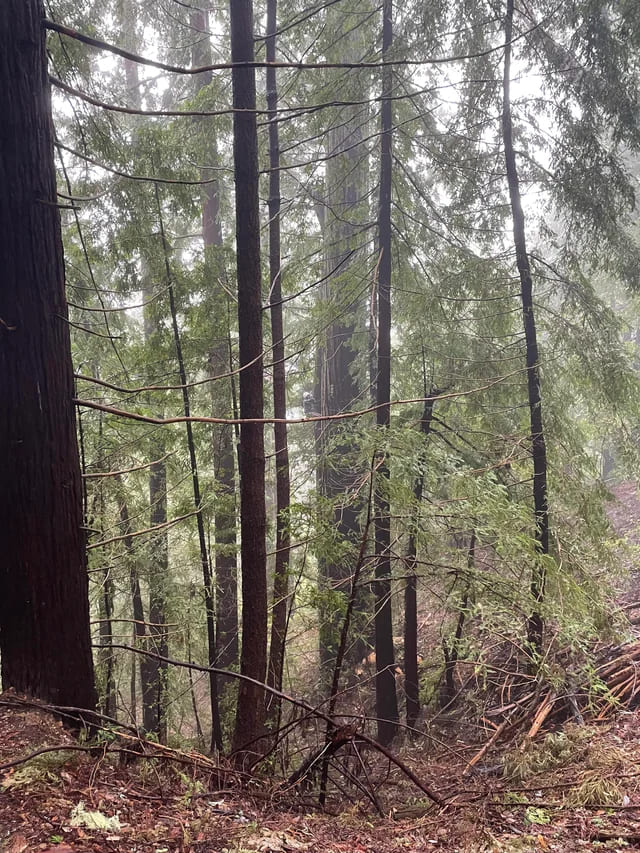
19. "My Husband Climbing Redwoods. Dead Center. Looks Like He’s Sitting on the Branch Cutting Through the Middle Horizontally."
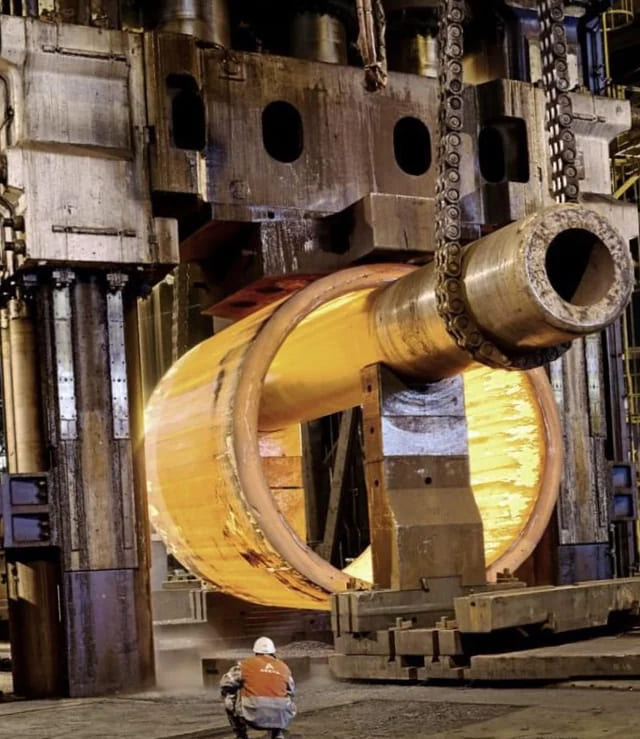
20. "Nuclear Reactor Being Forged"
21. "PAGEOS, an Early Satellite. 100′ in Diameter, It Was Put into Orbit So That Radio Signals Could Be Bounced Off of It."

Capturing the Moment
Photographers and wildlife enthusiasts often use human figures for scale in their images of nature. This technique provides context and emphasizes the majesty of the subjects. National Geographic has featured stunning examples where this method enhances the viewer's experience and understanding of wildlife.
Using this approach not only educates the public about the size of these creatures but also inspires conservation efforts. Images that evoke wonder can motivate people to protect these species.
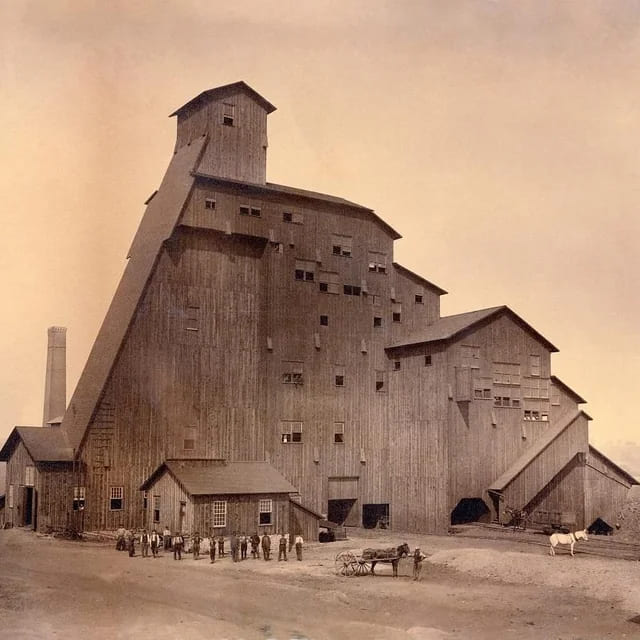
22. "The Massive Wooden Sibley Breaker in Pennsylvania. Built in 1886, Destroyed by Fire in 1906."
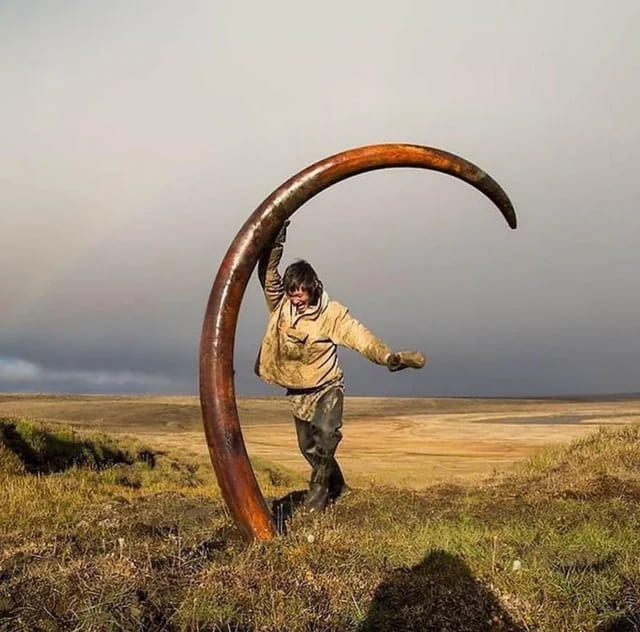
23. "The Tusk of a Mammoth Found in Siberia"
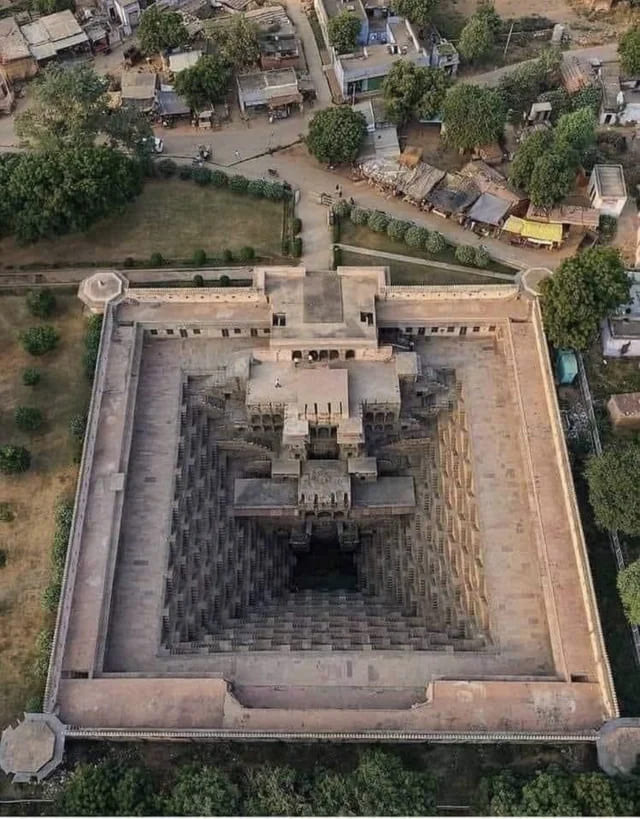
24. "One of the Biggest and Most Stunning Stepwells in the Entire World is the Chand Baori."
Experts in wildlife conservation stress the significance of educating the public about large species and their ecosystems. Engaging storytelling, such as documentaries or interactive exhibits, can create emotional connections to these animals.
Such educational initiatives can foster a sense of responsibility towards wildlife preservation. Organizations should prioritize outreach programs that connect communities with their local ecosystems, emphasizing the importance of every species, regardless of size.
25. "Brest Hero – Fortress Brest – Brest, Belarus"

26. "Traveling by Blimp in the 1920s"
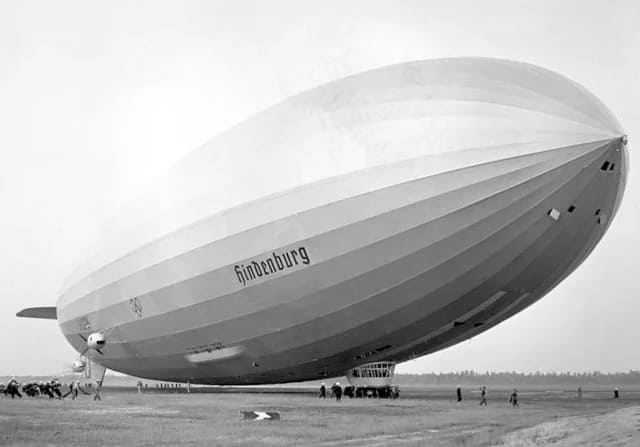
27. "You Don’t Really Get a Good Sense of Scale from the Ground"

A Call to Action
Dr. Patricia McConnell, an animal behaviorist, advocates for a deeper understanding of our relationship with wildlife. Her work suggests that fostering empathy towards large species can lead to better conservation outcomes.
By encouraging people to appreciate the emotional and social lives of these animals, we can inspire action to protect their habitats. Creating campaigns that highlight their stories can motivate communities to embrace conservation efforts passionately.
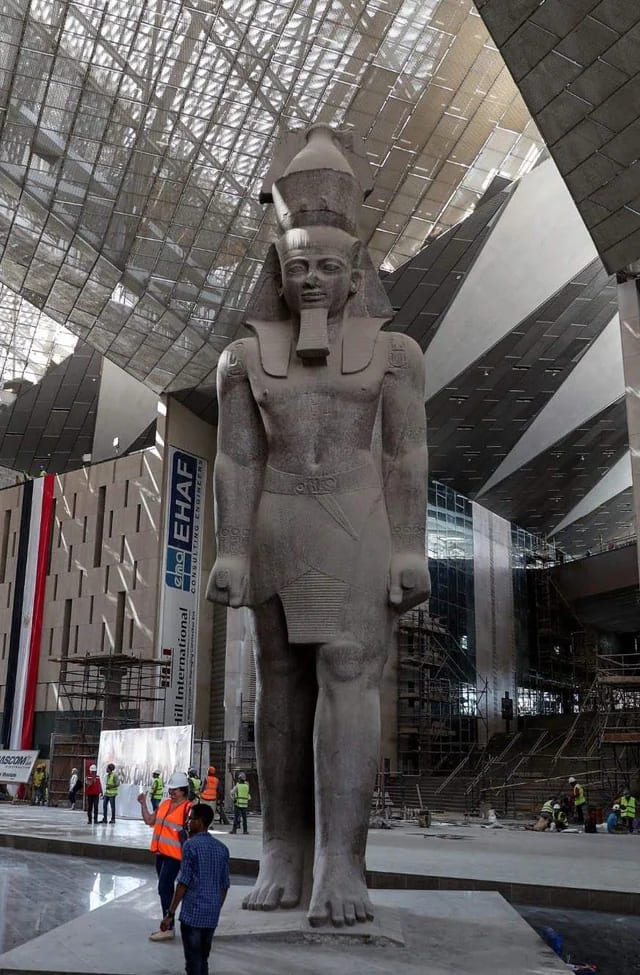
28. "Statue of Ramesses II – Grand Egyptian Museum – Giza, Egypt"
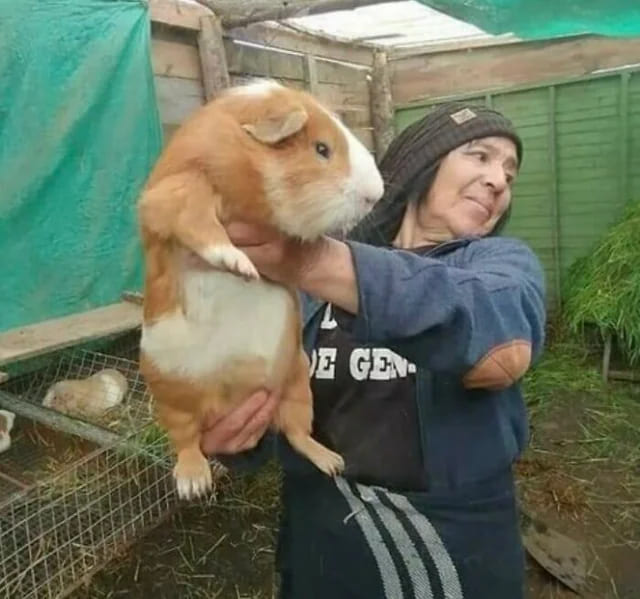
29. "Absolute Unit of Guinea Pig"
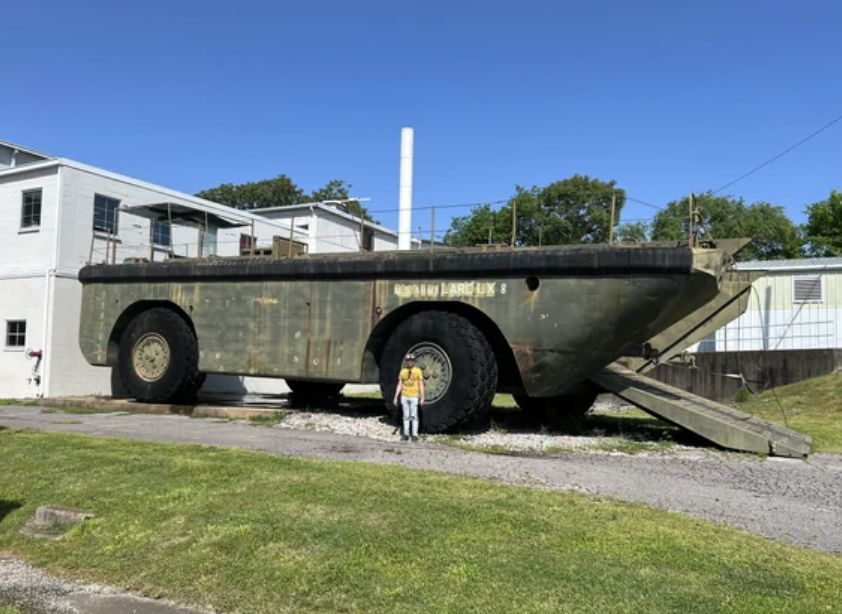
30. "The Amphibious WWII Landing Craft Vehicle at Lane Motor Museum in Nashville, TN"
Wildlife experts often discuss the importance of scale in understanding ecological dynamics. For instance, large predators like lions regulate prey populations, which is vital for maintaining the balance in their ecosystems.
Conservation strategies should focus on protecting these apex predators to ensure ecosystem health. Collaborative efforts between governments and wildlife organizations can create effective policies that safeguard these critical species.
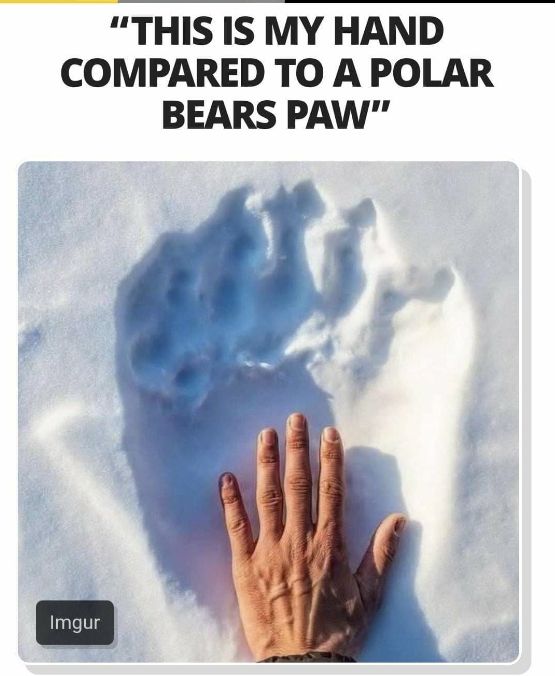
31. "A Polar Bear's Paw Print Compared to a Human Hand 🔥"
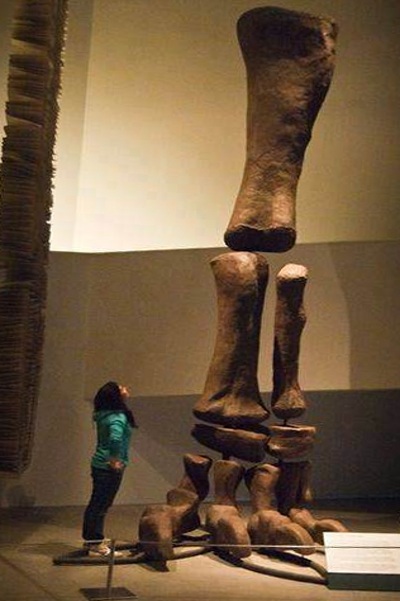
32. "Argentinosaurus Leg"
33. "Guys, I Found Ando"

The Future of Conservation
Experts like Dr. Joyce Poole, an elephant behavior expert, stress the importance of protecting large mammals for future generations. Her insights reveal that these species are not only keystone species but also cultural icons that inspire humanity.
Initiatives that promote coexistence between humans and wildlife are essential. By developing sustainable practices that respect both human needs and wildlife conservation, we can pave the way for a healthier planet.
34. "Absolute Door Unit"

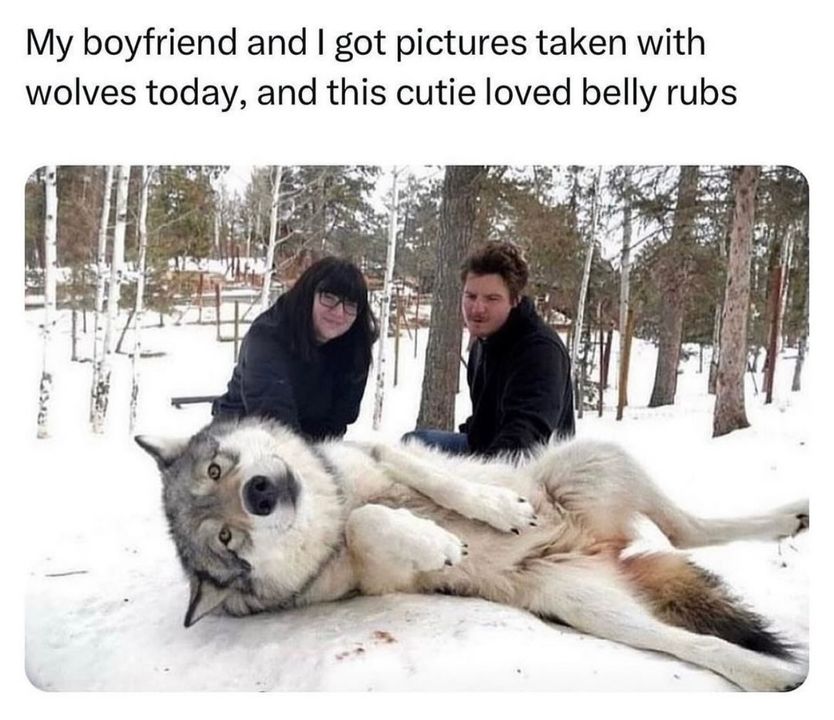
35. "It Always Surprises Me How Huge Wolves Are. I Always Expect Them to Be About the Size of a Large Dog, but They’re Way Bigger Than That"
Whether it’s a towering tree, a gargantuan fruit, or a majestic creature, these wonders of nature remind us that there’s still so much left to discover and marvel at in our incredible world.
So, the next time you encounter something that leaves you speechless, don’t be afraid to grab a friend and say, “You’ve got to see this to believe it!”
Analysis & Alternative Approaches
Understanding the significance of size in nature is vital for fostering a collective responsibility toward wildlife conservation. Experts like Dr. Carl Safina and Dr. Jane Goodall emphasize the interconnectedness of ecosystems and the roles that large species play in maintaining balance.
By raising awareness and engaging communities in conservation efforts, we can ensure that future generations inherit a vibrant and diverse planet. It’s essential to take action now, harnessing education, empathy, and respect for all creatures, regardless of size, to create a sustainable future for our world.